


China Top 10 Companies for Spray Painting 3D Printed Parts

China’s 3D-printing sector includes manufacturers and finishing providers with different strengths. This guide introduces ten companies connected to Spray Painting 3d Printed Parts, from custom-service suppliers to firms supporting production workflows. Company capabilities can change, so readers should confirm current equipment, materials, and service options directly.

The finish starts before the paint. Layer lines, support marks, and fingerprints can remain visible beneath a smooth-looking coating. A part’s material also affects preparation, primer choice, and adhesion. “A good paint job begins with a surface the coating can grip,” says fictional finishing engineer Alex Morgan, an illustrative expert voice created for this introduction—not a verified industry quotation. That distinction matters. Ask prospective suppliers how they prepare parts, control color, and inspect coverage. Requesting a sample can reveal issues that a product photo may hide.

Small details count. A thin edge may lose coverage; a recessed groove may collect paint. Spray Painting 3d Printed Parts therefore calls for more than attractive color. It requires repeatable preparation, careful application, and checks suited to the part’s intended use. This overview compares companies by practical considerations, including service range, finishing experience, and communication. It is a starting point, not a substitute for technical validation. Check fit and finish on your own parts. Even experienced providers may need adjustments when geometry, resin, or production volume changes.
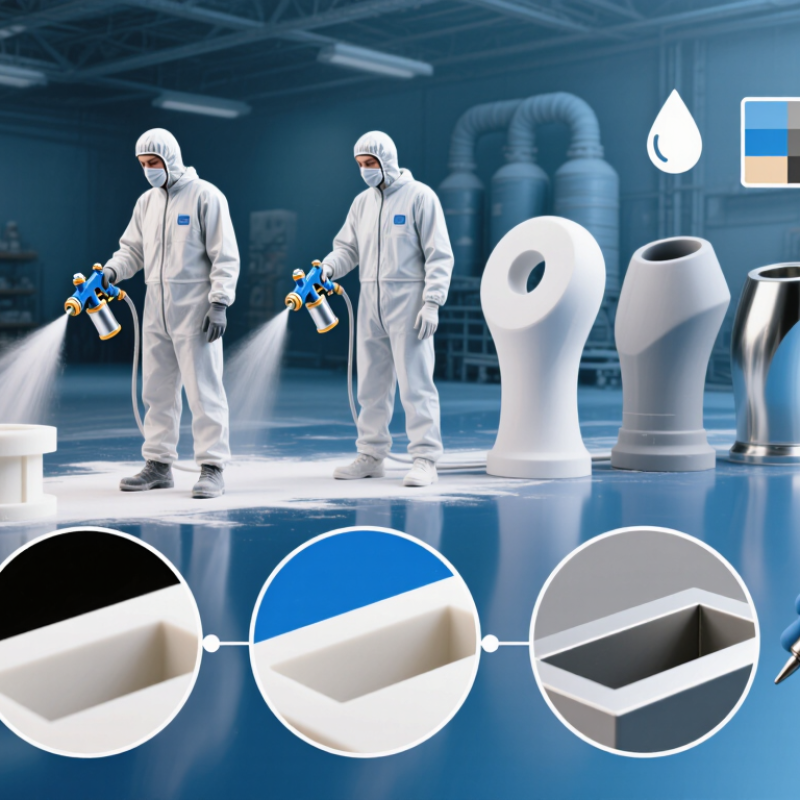
China Top 10 Companies for Spray Painting 3D Printed Parts

Spray Painting for 3D-Printed Parts: Process and Purpose

Spray painting gives 3D-printed parts a more even color and can soften the look of visible layer lines. It does not erase deep grooves or poor print defects. Surface preparation matters. Remove support marks, then sand rough areas with fine abrasive paper. Wipe away dust and let the part dry before applying a compatible primer. Not every surface behaves alike. PLA, ABS, resin, and flexible materials may respond differently to solvents and coatings, so test a small sample first.

Use light, overlapping passes rather than one heavy coat. Hold the spray can at a steady distance, and keep it moving beyond the part’s edges to reduce drips. Thin coats matter. Let each layer dry according to the coating instructions, since rushing can leave a soft or uneven finish. A clear coat may add protection, but it can also change the sheen or color slightly. Work in a well-ventilated area and use suitable protective equipment. Even with careful technique, small flaws can remain; inspect the part under angled light before deciding whether another coat will improve it.

China Top 10 Companies for Spray Painting 3D Printed Parts - Spray Painting for 3D-Printed Parts: Process and Purpose

Practical process reference for evaluating spray-painting services for 3D-printed parts. The values below are typical guidelines, not guaranteed specifications; actual settings depend on the material, geometry, coating system, and supplier.

No. Process or Evaluation Dimension Typical Practice or Reference Purpose Useful Quality Check
1 Substrate identification Identify the print material and process, such as PLA, ABS, PETG, nylon, resin, or powder-bed-fused polymer, before selecting a coating system. Helps prevent poor adhesion, solvent damage, or heat-related deformation. Confirm material, print process, and any post-processing history with the part supplier.
2 Surface cleaning Remove dust, loose powder, oils, and handling residue using a material-compatible cleaning method; allow the part to dry fully. Reduces contamination that can cause fisheyes, craters, or adhesion defects. Inspect under good lighting for dust, residue, and moisture before coating.
3 Sanding and surface preparation Use suitable abrasive grades and progressive sanding where the design allows; finer finishing is often needed for glossy or appearance-critical surfaces. Smooths layer lines and improves coating uniformity, while preserving required dimensions and details. Check surface texture, edges, small features, and critical dimensions after sanding.
4 Filling and priming Apply a compatible primer or filler in controlled coats when needed; follow the coating manufacturer's instructions for flash time and recoat window. Helps conceal print texture and provides a more consistent base for the color coat. Look for pinholes, runs, uneven coverage, and exposed substrate before topcoating.
5 Masking and fixturing Mask mating surfaces, threads, openings, and electrical or functional features; support the part so all required faces can be coated. Protects functional areas and reduces handling marks or missed coverage. Verify mask boundaries and confirm that fixtures do not obstruct visible surfaces.
6 Spray application Apply thin, even passes with appropriate overlap and distance for the selected spray equipment and coating; avoid heavy wet coats that can sag or pool. Builds consistent color and coverage while limiting runs and excessive film thickness. Inspect corners, recesses, edges, and other areas prone to thin or uneven coverage.
7 Color and appearance control Specify a color reference, gloss level, texture, and acceptable variation; assess appearance under consistent lighting. Makes appearance requirements clearer and supports repeatable production batches. Compare with an approved sample or color standard and check for visible defects.
8 Drying and curing Follow the coating supplier's specified time, temperature, and ventilation requirements; confirm that the printed substrate can tolerate the curing conditions. Allows the coating to form properly without exposing heat-sensitive parts to unsuitable conditions. Check that the coating is dry or cured as specified before handling or packaging.
9 Protective clear coat Use a compatible clear coat when the specification calls for added gloss control, surface protection, or improved cleanability. Provides an additional finish layer; the level of protection depends on the coating system and service conditions. Check for even sheen, clarity, adhesion, and compatibility with the underlying color coat.
10 Final inspection and handling Inspect the finished part against agreed appearance, coverage, masking, and dimensional requirements; package only after the coating is ready for handling. Confirms the part meets the project specification and helps prevent damage during shipment. Record defects, rework status, and any agreed sample or inspection results.

Criteria for Choosing a Chinese Spray-Painting Provider

Choosing a Chinese spray-painting provider starts with process control, not a glossy sample. Ask how the team prepares each material, removes sanding dust, and controls primer and topcoat curing. Request a sample made from your actual print material, surface texture, and geometry. A smooth flat coupon may not reveal paint pooling around holes or thin edges.

Wohlers Associates reported that additive manufacturing generated $20.0 billion in revenue in 2023, up 11.1% year over year (Wohlers Report 2024). That growth raises the value of repeatable finishing, but it does not guarantee a supplier’s consistency. Ask for documented coating-thickness checks and agreed adhesion and gloss tests. ASTM D7091 and ISO 2813 offer relevant measurement methods; confirm that each method suits your part and coating. Compare color under consistent lighting, and ask how the provider handles rejected parts and batch-to-batch variation.

Tip: Send a small test batch first. Check recesses, corners, and screw holes under bright light. Keep one approved reference part for later comparisons. A tiny mismatch can matter. Also, do not judge durability from appearance alone; request test records and clarify who pays for rework.

China’s Top 10 Companies for Spray Painting 3D-Printed Parts

China’s Top 10 Companies for Spray Painting 3D-Printed Parts represent a varied manufacturing field, not a fixed ranking. Providers may specialize in prototypes, short production runs, or larger batches. Their capabilities can differ by printing material, part size, finish, and inspection process.

A useful comparison starts with the part itself. A thin wall, deep recess, or sharp edge can affect paint coverage and durability.

Experienced finishing teams typically assess the surface before applying coatings. They may sand visible layer lines, remove dust, apply a compatible primer, and spray several controlled coats.

Small details matter. Ask how the provider handles masking, color matching, curing, and defects such as runs or pinholes.

Request a sample made from the same material and with similar geometry. One polished sample is not enough; repeatability across a batch matters too.

This is where buyers should be cautious. A low quote may omit preparation or inspection, while a detailed process sheet can clarify what is included. Compare written specifications, sample results, and delivery expectations before selecting a supplier.

Services, Materials, and Quality-Control Capabilities

China’s top ten companies for spray painting 3D printed parts should be compared by process capability, not polished photos alone. A dependable service begins with part inspection, support-mark removal, sanding, and cleaning. Ask whether the shop checks thin walls and tight openings before coating. Paint can soften edges or partly close small holes. That detail matters.

Material knowledge is equally important. PLA, ABS, nylon, and photopolymer resin do not respond identically to primers, solvents, or heat. A capable provider will ask about the part’s use and recommend a compatible coating system. They should also explain expected texture, gloss, color matching, and masking options. Request a sample made from the same material and finish specification. A glossy sample can still hide uneven coverage.

Quality control should be specific and documented. Useful checks include visual inspection under consistent lighting, coating-thickness measurement where practical, and adhesion testing on a representative coupon. Ask how the company records color, defects, rework, and batch variation. Check whether painted parts are measured again, especially around slots and fitted surfaces. Not every provider will use the same test methods, and that can make comparisons imperfect. Clear acceptance criteria help prevent surprises, even when the first sample looks excellent.

Industries and Applications Served by These Companies

China-based providers of spray finishing for 3D-printed parts may serve automotive prototyping, consumer electronics, appliance, architecture, and industrial equipment projects. Automotive teams often need smooth, color-matched mock-ups for design reviews. Electronics makers may request durable coatings on enclosures and control panels. Architecture studios use painted models to show concrete, metal, or glass effects. These are different jobs.

Applications range from visual prototypes and trade-show displays to short-run product housings. A detailed miniature may need careful masking around narrow grooves, while a larger equipment cover needs even coverage across broad surfaces. Material and print quality matter. Ask how the provider prepares the part, applies primer, and checks color consistency. A painted sample can reveal texture or adhesion problems before a larger batch is finished. That step is easy to overlook.

Tips: Share the part’s material, intended use, target color, and expected quantity when requesting a quote. Photograph tricky edges and recessed areas. Confirm whether sanding or filling is included. A glossy finish can still show print lines, so agree on an acceptable surface standard before production.

Industries and Applications for Spray-Painted 3D-Printed Parts

A qualitative map of industries where coated 3D-printed parts are commonly used. A value of 1 indicates an application area, not market share or supplier coverage.

Typical uses include appearance models, customized components, prototypes, and finished parts. Actual finishing requirements vary by material, end use, and supplier capabilities.

Powder Coat Booths

For those larger-sized parts, or smaller quantity runs, we have 2 independent powder coat booths and ovens. The quality, durability and affordability of today’s powder coating finishes make this the process of choice for world-class companies.

Powder coating advantages over other forms of coating are many. Materials used in the Powder coating process can be metals and non-metals that come in a multitude of thicknesses, textures, colors, etc. Another of Powder coating’s biggest advantages over conventional coatings is its ability to create finishes in many different textures. Powder Coating Booths allow us the ability to apply these advantages to large products.

Wet Paint Line

Tri-State Fabricators runs a full-service conveyor line for painting. Wet painting can provide protection or decoration to many different part styles. From start to finish, every project is easier to undergo random and point-based inspection by our skilled painting team.

Advantages to our Wet Paint Line are these lines start with product prep and ends with a thorough inspection of a high quality finished product. Our ability to complete large and small projects with a superior finish and doing so in a timely and economical fashion. This passes along the savings in production to our customers. When powder coating ins not an option, our Wet Paint Line gets the job done right the first time.

Wet Paint Booths

When the parts get big and heavy we roll-out our custom paint racks and oversize booth. By utilizing our partnerships with all the major paint brands, we can match virtually any color with wet paint.

The advantages of having access to a Wet Paint Booth are many. Large projects of many different shapes can be loaded into the booth. The Wet Paint Booth offers an environment that is much more controlled than a typical parts painting operation.

Not only are they used because of their controlled environment, but they’re are also advantageous when it comes to applying paint to parts that are needed in industries that require specialty coatings such as medical, aerospace, etc.

Military CARC

Our military forces have some very high standards when it comes to the finish of their vehicles and equipment. From the first pre-treatment step to final coat, it takes a great deal of knowledge and experience to protect the men and women of our armed forces. They deserve only the best, and Tri-State Fabricators provides it.

All of our processes are closely monitored by our staff and management teams. Both of which are highly trained in the processes of metal fabrication and finishing. Tri-State Fabricators’ goal is to always fully satisfy each and every customer, including the military. We will always put a 110% into what we do.

Glass-Bead Blasting

Abrasive media blasting is an excellent way to remove old paint, rust, and increase the paint/powder adhesion. Glass beads produce a much smoother and brighter finish than angular abrasives; leaving the part clean yet without any dimensional change. Chemically inert and environmentally friendly, we can recycle our beads approximately 30 times; making them a more preferred method of metal cleaning or surface finishing.

Advantages to Glass Bead Blasting are many. Glass bead blast media is used when a project is needing rough surfaces need to become smooth for applications of coatings such as paint. It is typically used to clean paint and rust from a product surface without deforming the surface it is being used on. Overall, compared to many other blasting media, Glass Bead Blasting is a very economical choice and those savings are always passed on to our customers.

Part Washing

Tri-State Fabricators utilize a zinc phosphate wash to clean and etch the material to ensure the best paint adhesion possible. The unique design of our 3-stage wash system does the work like a 5-stage. From Cleaning and rinsing to conversion coating and post-treatment, Our Part Washing process is a complete service and works throughout the fabrication service and the finishing service.

Along with the previously mentioned benefits, Curing is a vital chemical reaction that leaves the product finish hard and relatively safe from mild abrasion and aggressive corrosion. This process can be done in more than one way; ambient air-dry or in curing ovens at temps that exceed 240°.

Burn-Off Oven

From fixing paint mistakes (someone else’s of course) to simply cleaning our paint line hooks, our burn-off oven is put to good use. After a quick burn-off, a little clean up, and a fresh coat of paint, your parts will look better than new.

Why does our Burn-Off Oven work so well? Because super heating the air around parts turns the materials into ashes. From paint and powder coatings to rubber and machining oils, high temps do the job without degrading the integrity of the part.

Masking

Masking is a vital part of producing high quality products. We have die-cut masking patterns to protect machined surfaces as well as a wide range of plugs and caps to protect threaded holes and bolts. We provide permanent and temporary masking.

Masking allows the selected sections of a product to be protected from a fabrication or finishing service. This can be with both chemicals when etching and tapes, paints when only finishing just a section of the product. Masking is great in aiding the customization process of a project.

Screen Printing

Screen printing is a photographic process that transfers artwork onto a porous nylon screen which allows colored ink to flow through the screen and be deposited on an aluminum or plastic component. We can generally have just about any design created onto a screen for your parts.

Some of the advantages of Screen Printing are, brand recognition for your business displaying on your products, assembly instructions, product warnings/hazards, etc. Tri-State Fabricators produces Screen Printing of the highest quality so you know it’s durable.

Metal Finishing

Metal Finishing is the art of treating the exterior portion of product, often metal but can also be made of other materials, so that the surface is clean and free of any debris. Then the process of applying coats or either paint of powder coat takes place. This coating process improves the quality of the product in both appearance and resistance to wear and corrosion.

Tri-State Fabricators, Inc., understands that a project typically isn’t complete until a high-quality finish has been added to your product. This is why our painting and powder coating teams continuously inspect the products throughout the Metal Finishing process.


