


Choosing the China best Flame Laminating Machine manufacturer requires more than comparing prices or polished factory photos. The right supplier should demonstrate practical experience with foam, fabric, film, and other compatible materials. Their engineers should explain flame intensity, line speed, roller pressure, and cooling requirements clearly. Vague promises are not enough.
A reliable manufacturer usually provides machine specifications, production videos, test reports, and detailed safety documentation. Ask whether the machine can handle your actual material width, thickness, and daily output. A sample trial is valuable. It can reveal uneven bonding, edge shrinkage, surface marks, or unstable flame control before purchase. Small details matter. Inspect the burner design, emergency stop system, ventilation arrangement, control cabinet, and spare-parts availability. These features influence both operator safety and long-term production consistency.
This guide examines how to evaluate Chinese Flame Laminating Machine suppliers through measurable evidence. It considers manufacturing experience, technical support, customization ability, quality control, and after-sales service. Strong manufacturers should welcome factory audits and communicate installation requirements honestly. They should also provide training instead of leaving operators with a manual alone. However, no supplier is perfect. Delivery delays, language gaps, or limited local service can still create difficulties. That deserves attention. A thoughtful buyer should compare several quotations, verify references, and test materials under realistic conditions. The “best” choice depends on your process, budget, product quality targets, and risk tolerance. Reliable evidence makes the decision clearer.
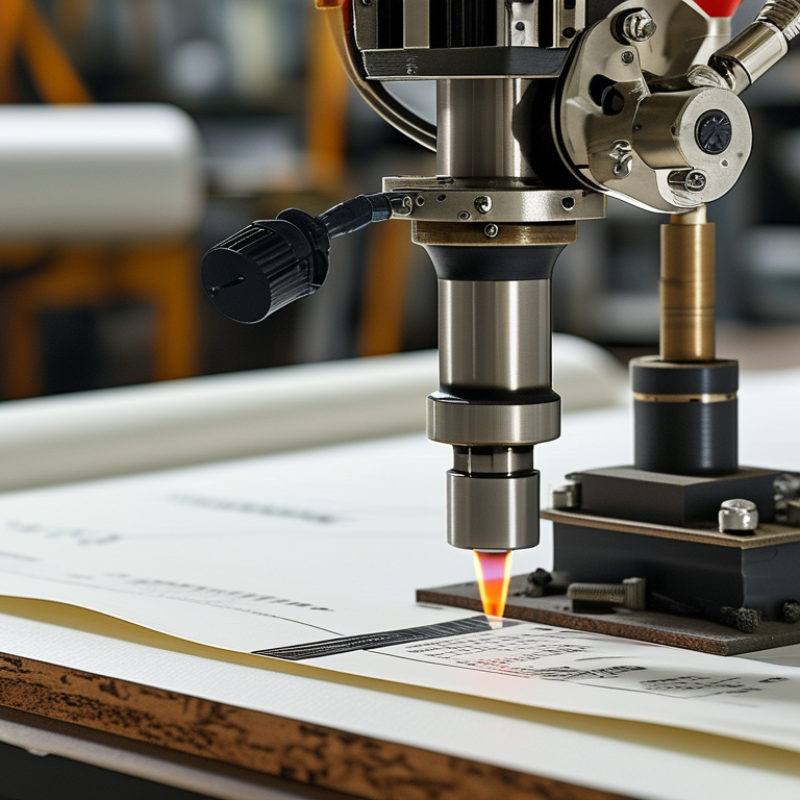
A flame laminating machine bonds foam, fabric, film, or other flexible materials through controlled surface heat. It uses a narrow flame to activate the foam surface without applying liquid adhesive. The heated surface becomes slightly tacky, then presses against the covering material through a laminating roller. The result is a clean, flexible composite with no wet glue layer. In production trials, operators often notice better bonding when flame distance, speed, and pressure remain stable.
The machine usually includes a burner, flame-control system, cooling section, pressure rollers, and material guides. Flame intensity must match the foam type and line speed. Excessive heat can shrink, harden, or mark the surface. Low heat may create weak bonding and edge separation. I have seen otherwise careful settings fail because the material width changed slightly. That detail deserves attention. Regular checks should cover roller pressure, burner cleanliness, web alignment, and bonding strength. Samples should be tested after cooling, not immediately after lamination.
Tips: Begin with a small material sample. Record flame height, speed, and roller pressure. Watch for smoke, uneven color, or curled edges. Keep combustible materials away from the heating area, and follow documented operating procedures. A trained technician should inspect the machine before production and stop the line when abnormal heat or noise appears. Safety is not a decorative label.

Flame lamination bonds foam and fabric without adding liquid adhesive. A gas flame briefly passes over the foam surface. Heat softens the thermoplastic layer and creates a reactive skin. The fabric then meets this softened surface under controlled pressure. Cooling completes the bond.
Machine Settings Machine settings decide the result. Operators adjust flame intensity, burner distance, foam speed, fabric tension, and nip pressure. Too much heat can shrink foam or create brittle areas. Too little heat produces weak adhesion and visible peeling. The process needs clean rollers and stable gas flow. Small changes matter.
MarketsandMarkets estimated the global technical textiles market at about USD 202.6 billion in 2022, with projected growth toward USD 274.0 billion by 2027. This expansion increases demand for consistent, lightweight laminates. Smithers also reported continuing growth in advanced textile applications through 2028, especially in transportation, protective products, and filtration. These figures support careful equipment selection, not automatic confidence.
In practice, flame lamination is less forgiving than brochures suggest. A smooth sample may still fail after washing, bending, or thermal cycling. Experienced technicians test peel strength, appearance, and dimensional stability together. They also record line speed and surface temperature for each production run. That discipline improves traceability. The machine is only part of the answer.
A high-quality flame laminating machine should produce stable bonding, not merely impressive output figures. During practical trials, operators should check flame uniformity across the working width. Uneven flames can create weak edges, burned foam, or inconsistent adhesion. A reliable burner maintains steady heat under changing production speeds. It should also include accurate gas-pressure control and visible flame monitoring.
Material handling matters just as much. Precise web tension prevents wrinkles, while adjustable roller pressure supports different foam and fabric thicknesses. A responsive control system should record temperature, speed, and operating alarms.
Safety features are essential, including emergency stops, protective covers, ventilation connections, and automatic flame shutoff. Clear maintenance access also saves time during cleaning and inspection. Some machines look advanced, but difficult servicing can reduce their real value.
Tips: Test bonding strength after cooling, not immediately. Inspect the fabric edges under bright light. Ask for maintenance records, operating instructions, and training support. Before choosing a machine, run your actual materials through it. Laboratory samples may behave differently in continuous production. I have seen specifications appear convincing while small roller adjustments remained difficult. That weakness deserves attention. Reliable performance is built through repeatable tests, careful calibration, and honest feedback from operators.
China Best Flame Laminating Machine Manufacturer?
How to Evaluate Chinese Flame Laminating Machine Manufacturers?
Evaluating a Chinese flame laminating machine manufacturer requires more than comparing prices. Ask for factory records, production photos, and recent customer references. A serious supplier should explain flame treatment, fabric tension, adhesive control, and cooling methods clearly. Technical answers matter.
Request a live trial with your own materials. Watch the flame height, burner movement, nip pressure, and web speed. Check whether the laminated surface remains even after bending. Measure bond strength after 24 hours, not only immediately after production. Ask for test data, electrical diagrams, maintenance schedules, and safety instructions. Confirm that the machine includes guards, emergency stops, ventilation requirements, and clearly labeled controls.
A polished showroom can mislead. Visit the production floor if possible. Inspect welding quality, roller surfaces, wiring, and spare-part storage. Speak with an engineer, not only a sales representative. Ask how quickly faults are diagnosed and whether remote support is available. One overlooked detail is operator training. It can affect output more than a small speed increase. Also, do not trust every impressive number. Some specifications may describe ideal conditions rather than daily production. A short trial may reveal heat marks, unstable tension, or difficult cleaning. That is inconvenient, but useful. Reliable evaluation comes from repeated tests, written commitments, and evidence that matches the machine delivered.
| No. | Evaluation Dimension | What to Verify | Reliable Evidence or Benchmark | Weight | Suggested Rating |
|---|---|---|---|---|---|
| 1 | Relevant Manufacturing Experience | Check how long the manufacturer has produced flame laminating equipment and whether it has completed projects for similar materials, widths, and production volumes. | Request dated machine photos, anonymized installation records, customer references, and sample-production videos. Give preference to verifiable experience with the same application. | 10% | 0–5 points |
| 2 | Laminating Performance | Evaluate bond strength, flame-treatment uniformity, adhesive-free bonding capability, delamination resistance, and appearance of the finished laminate. | Require trials using the buyer’s actual substrates. Test peel or bond strength according to an agreed method, because results vary by foam, fabric, film, speed, and flame setting. | 18% | 0–5 points |
| 3 | Working Width and Line Speed | Confirm usable working width, stable operating speed, material thickness range, roll diameter, and whether the machine supports the required production capacity. | Compare the guaranteed production speed—not only the no-load maximum—with the buyer’s material specifications. Ask for speed-versus-quality trial data. | 10% | 0–5 points |
| 4 | Flame and Gas-Control System | Review burner design, flame-width adjustment, gas-pressure control, ignition, flame monitoring, automatic shutoff, and protection against flame failure. | The system should include documented burner specifications, flame-failure detection, emergency gas shutoff, pressure monitoring, and a risk assessment for the intended fuel gas. | 16% | 0–5 points |
| 5 | Machine Safety and Compliance | Assess guarding, emergency stops, electrical safety, hot-surface protection, gas-pipe installation, exhaust arrangements, warning labels, and operator access. | Request a machine risk assessment, electrical schematics, safety-circuit description, factory acceptance checklist, and applicable conformity documents. CE marking alone should not replace technical verification. | 18% | 0–5 points |
| 6 | Electrical and Control Architecture | Check the PLC, HMI, drive system, temperature or pressure sensors, alarm history, recipe management, remote diagnostics, and compatibility with the site power supply. | Obtain the I/O list, electrical drawings, control-system backup, password policy, spare-parts list, and written confirmation of voltage, frequency, and phase requirements. | 10% | 0–5 points |
| 7 | Build Quality and Maintainability | Inspect frame rigidity, roller alignment, bearing access, burner-cleaning access, web-tension adjustment, guards, cable routing, and corrosion protection. | Use a pre-shipment inspection checklist and verify critical dimensions, runout, alignment, surface finish, welding quality, and accessibility of routine-maintenance points. | 10% | 0–5 points |
| 8 | Energy, Gas, and Exhaust Requirements | Calculate gas consumption, electrical load, compressed-air demand if applicable, ventilation requirements, exhaust temperature, and heat-management needs. | Require utility-consumption data at a defined operating condition. Confirm that the buyer’s facility can meet local ventilation, fire-safety, and gas-installation requirements. | 8% | 0–5 points |
| 9 | Testing, Acceptance, and Documentation | Determine whether the supplier provides factory acceptance testing, site acceptance testing, operating manuals, maintenance schedules, spare-parts lists, and training. | The purchase contract should define measurable acceptance criteria such as product quality, operating speed, safety-function tests, documentation delivery, and operator training. | 8% | 0–5 points |
| 10 | After-Sales Service and Spare Parts | Evaluate commissioning support, response time, troubleshooting capability, warranty scope, spare-parts availability, and technical communication in the buyer’s language. | Request a written service-level plan, recommended critical spares, warranty exclusions, remote-support process, and estimated replacement-part lead times. | 7% | 0–5 points |
| 11 | Total Cost of Ownership | Compare purchase price with installation, shipping, commissioning, gas and electricity consumption, maintenance, consumables, downtime risk, and expected service life. | Use a five-year cost model rather than comparing quotations by price alone. Separate standard equipment, optional features, tooling, installation, taxes, freight, and local compliance costs. | 5% | 0–5 points |
Flame laminating machines bond foam with fabrics through controlled surface melting. They are used for automotive interiors, sportswear, mattresses, upholstery, and protective padding. Consistent flame height matters because uneven heat can create weak bonding or fabric damage. Experienced operators check fabric tension, foam density, line speed, and pressure together. One setting rarely suits every material.
Safety must be designed into daily operation. The machine should include flame detection, automatic gas shutoff, emergency stops, guarded hot zones, and effective exhaust ventilation. Risk assessments should follow recognized principles such as ISO 12100, while electrical systems should meet applicable local requirements. Operators need training, protective clothing, and clear lockout procedures. A clean-looking burner can still hide unstable ignition. This is often overlooked. Gas connections, regulators, sensors, and interlocks require documented inspections by qualified technicians.
Tips: Clean burner ports after cooling, and remove foam dust from nearby surfaces. Inspect hoses for cracking, then test emergency stops before production. Keep a maintenance log with dates, findings, and replacement parts. Check flame color and stability during startup. Do not adjust gas pressure casually. A small calibration mistake may cause scorching, poor adhesion, or unsafe combustion. Maintenance schedules should reflect working hours and material dust, not only calendar dates. In practice, some schedules are too optimistic; actual production conditions should revise them.


For those larger-sized parts, or smaller quantity runs, we have 2 independent powder coat booths and ovens. The quality, durability and affordability of today’s powder coating finishes make this the process of choice for world-class companies.
Powder coating advantages over other forms of coating are many. Materials used in the Powder coating process can be metals and non-metals that come in a multitude of thicknesses, textures, colors, etc. Another of Powder coating’s biggest advantages over conventional coatings is its ability to create finishes in many different textures. Powder Coating Booths allow us the ability to apply these advantages to large products.
Tri-State Fabricators runs a full-service conveyor line for painting. Wet painting can provide protection or decoration to many different part styles. From start to finish, every project is easier to undergo random and point-based inspection by our skilled painting team.
Advantages to our Wet Paint Line are these lines start with product prep and ends with a thorough inspection of a high quality finished product. Our ability to complete large and small projects with a superior finish and doing so in a timely and economical fashion. This passes along the savings in production to our customers. When powder coating ins not an option, our Wet Paint Line gets the job done right the first time.
When the parts get big and heavy we roll-out our custom paint racks and oversize booth. By utilizing our partnerships with all the major paint brands, we can match virtually any color with wet paint.
The advantages of having access to a Wet Paint Booth are many. Large projects of many different shapes can be loaded into the booth. The Wet Paint Booth offers an environment that is much more controlled than a typical parts painting operation.
Not only are they used because of their controlled environment, but they’re are also advantageous when it comes to applying paint to parts that are needed in industries that require specialty coatings such as medical, aerospace, etc.
Our military forces have some very high standards when it comes to the finish of their vehicles and equipment. From the first pre-treatment step to final coat, it takes a great deal of knowledge and experience to protect the men and women of our armed forces. They deserve only the best, and Tri-State Fabricators provides it.
All of our processes are closely monitored by our staff and management teams. Both of which are highly trained in the processes of metal fabrication and finishing. Tri-State Fabricators’ goal is to always fully satisfy each and every customer, including the military. We will always put a 110% into what we do.
Abrasive media blasting is an excellent way to remove old paint, rust, and increase the paint/powder adhesion. Glass beads produce a much smoother and brighter finish than angular abrasives; leaving the part clean yet without any dimensional change. Chemically inert and environmentally friendly, we can recycle our beads approximately 30 times; making them a more preferred method of metal cleaning or surface finishing.
Advantages to Glass Bead Blasting are many. Glass bead blast media is used when a project is needing rough surfaces need to become smooth for applications of coatings such as paint. It is typically used to clean paint and rust from a product surface without deforming the surface it is being used on. Overall, compared to many other blasting media, Glass Bead Blasting is a very economical choice and those savings are always passed on to our customers.
Tri-State Fabricators utilize a zinc phosphate wash to clean and etch the material to ensure the best paint adhesion possible. The unique design of our 3-stage wash system does the work like a 5-stage. From Cleaning and rinsing to conversion coating and post-treatment, Our Part Washing process is a complete service and works throughout the fabrication service and the finishing service.
Along with the previously mentioned benefits, Curing is a vital chemical reaction that leaves the product finish hard and relatively safe from mild abrasion and aggressive corrosion. This process can be done in more than one way; ambient air-dry or in curing ovens at temps that exceed 240°.
From fixing paint mistakes (someone else’s of course) to simply cleaning our paint line hooks, our burn-off oven is put to good use. After a quick burn-off, a little clean up, and a fresh coat of paint, your parts will look better than new.
Why does our Burn-Off Oven work so well? Because super heating the air around parts turns the materials into ashes. From paint and powder coatings to rubber and machining oils, high temps do the job without degrading the integrity of the part.
Masking is a vital part of producing high quality products. We have die-cut masking patterns to protect machined surfaces as well as a wide range of plugs and caps to protect threaded holes and bolts. We provide permanent and temporary masking.
Masking allows the selected sections of a product to be protected from a fabrication or finishing service. This can be with both chemicals when etching and tapes, paints when only finishing just a section of the product. Masking is great in aiding the customization process of a project.
Screen printing is a photographic process that transfers artwork onto a porous nylon screen which allows colored ink to flow through the screen and be deposited on an aluminum or plastic component. We can generally have just about any design created onto a screen for your parts.
Some of the advantages of Screen Printing are, brand recognition for your business displaying on your products, assembly instructions, product warnings/hazards, etc. Tri-State Fabricators produces Screen Printing of the highest quality so you know it’s durable.
Metal Finishing is the art of treating the exterior portion of product, often metal but can also be made of other materials, so that the surface is clean and free of any debris. Then the process of applying coats or either paint of powder coat takes place. This coating process improves the quality of the product in both appearance and resistance to wear and corrosion.
Tri-State Fabricators, Inc., understands that a project typically isn’t complete until a high-quality finish has been added to your product. This is why our painting and powder coating teams continuously inspect the products throughout the Metal Finishing process.

