


What Is the Best Mineral Machine from China?

Choosing the best Mineral Machine from China requires more than comparing prices or polished product photos. The right equipment must match the material, capacity, moisture level, and production target. A machine designed for hard limestone may perform poorly with wet clay or abrasive ore. Small details matter. Feed size, discharge range, motor power, and maintenance access can affect daily output.

Experienced buyers usually examine the supplier’s manufacturing record, technical documentation, and testing process. A reliable Chinese manufacturer should explain how the machine is assembled and inspected. Factory videos help, but they are not enough. Ask for performance data from comparable installations, material specifications, and realistic energy estimates. Independent certifications can support trust, although certification alone does not prove suitability. References from operating plants are more convincing.

The best choice also depends on service after delivery. Spare parts availability, remote troubleshooting, installation guidance, and response time deserve careful attention. A strong supplier should provide drawings, operating instructions, safety procedures, and training for local staff. Clarify warranty limits before signing any agreement. Some equipment looks economical until shipping, commissioning, and replacement parts are included.

There is no universal winner. That is the uncomfortable part. Even a respected Mineral Machine may underperform when site conditions are misunderstood or maintenance is neglected. This guide compares practical factors, including equipment quality, customization, supplier credibility, operating cost, and long-term support. Its aim is not to promote one factory blindly, but to help buyers make a defensible and informed decision.
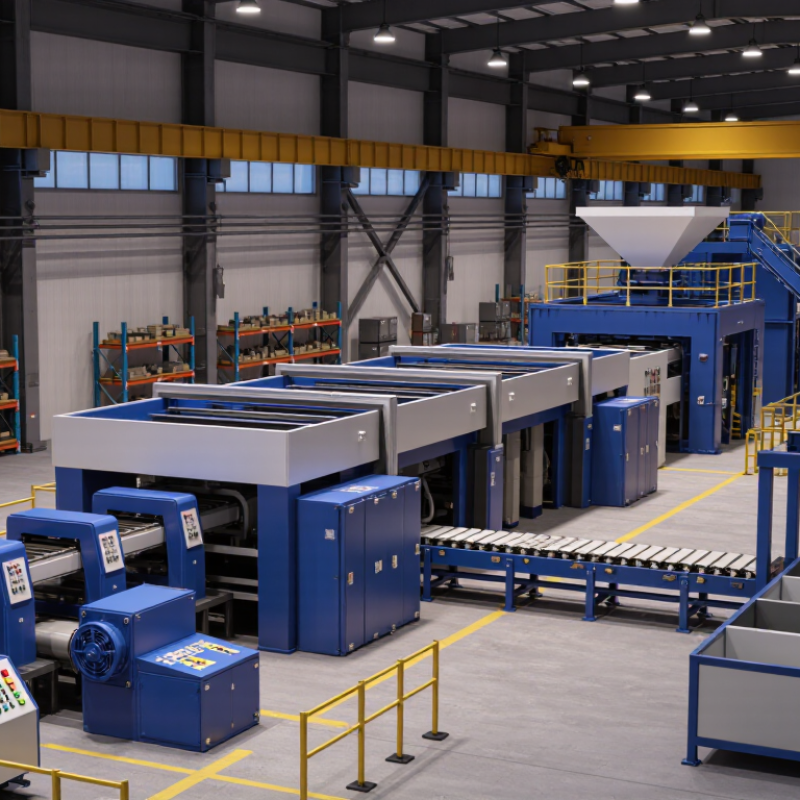
What Is the Best Mineral Machine from China?

Understanding What a Mineral Machine from China Is

What Is the Best Mineral Machine from China?

Understanding what a mineral machine from China is starts with its function. It is not one specific device. The term usually describes equipment used for crushing, grinding, screening, washing, magnetic separation, or flotation. A complete line may turn large ore into a controlled concentrate. Its design depends on ore hardness, moisture, particle size, and mineral recovery targets.

China has become important in mineral processing equipment and critical-mineral supply chains. The International Energy Agency’s Global Critical Minerals Outlook 2024 reports that China handles about 90% of refined rare-earth production and 60–70% of lithium and cobalt refining. This industrial experience supports advanced equipment development. However, production scale does not guarantee the best machine for every site. The U.S. Geological Survey’s Mineral Commodity Summaries also shows that mineral characteristics and national production levels vary widely. Equipment selection must follow test results, not sales language. That is where buyers sometimes overestimate the machine.

Tips: Request a material test before ordering. Check feed size, hourly capacity, motor power, wear-part life, recovery rate, and water use. Ask for recent operating data from a comparable ore type. Inspect drawings, safety systems, spare-part plans, and installation support. A low purchase price may hide higher maintenance costs. The word “best” is incomplete without a clear ore sample and operating target.


Main Types of Mineral Processing Machines Made in China

What Is the Best Mineral Machine from China?

The best machine depends on the ore, not the country of manufacture. Chinese mineral processing equipment covers jaw crushers, cone crushers, impact crushers, vibrating screens, ball mills, flotation cells, magnetic separators, and gravity concentrators. Washing equipment, thickeners, filter presses, and rotary dryers are also common. A jaw crusher may reduce blasted rock to 100 millimeters, while a ball mill can produce powder below 75 microns. Real selection requires hardness, moisture, feed size, capacity, and recovery data. Catalog figures are often ideal-case results.

China’s equipment sector is closely linked to large domestic mineral demand. The USGS Mineral Commodity Summaries 2024 recorded 240,000 metric tons of rare-earth mine production in China during 2023, about 69% of global output. That scale supports broad experience in crushing, grinding, separation, and tailings dewatering systems. The IEA’s Global Critical Minerals Outlook 2024 projects lithium demand to rise roughly ninefold by 2040 in its stated-policies scenario. Therefore, lithium plants may need dense-media separation, flotation, magnetic separation, or combined circuits, depending on the ore body. A practical warning: one machine rarely solves the whole process. I would request a representative sample test, power consumption, wear-part life, and recovery results before ordering. Small details matter. An overlooked clay layer can block screens, reduce flotation performance, and distort laboratory expectations.

What Is the Best Mineral Machine from China? - Main Types of Mineral Processing Machines Made in China
Machine Type Primary Processing Stage Typical Feed Size Typical Product or Separation Range Suitable Minerals and Materials Main Advantages Important Limitations Best Application
Jaw Crusher Primary crushing Up to approximately 1,200 mm, depending on model Coarse crushed material, commonly 50–300 mm Hard rock, iron ore, copper ore, limestone, granite Simple structure, high compression strength, reliable operation, and easy maintenance Produces a less cubical product and may require secondary crushing The best choice for the first crushing stage of hard and abrasive ore
Cone Crusher Secondary, tertiary, or quaternary crushing Generally below 300 mm, depending on chamber design Fine crushed material, often below 25–50 mm Iron ore, copper ore, gold ore, aggregate, and other hard rock Good reduction ratio, consistent product size, and high wear resistance Requires controlled feed and is less suitable for sticky or clay-rich material The best option for producing uniform crushed ore after primary crushing
Impact Crusher Secondary or tertiary crushing Usually below 500 mm Well-shaped product, commonly below 20–60 mm Limestone, gypsum, phosphate rock, coal, and medium-hard ores High reduction ratio and good particle shape for aggregate production Blow bars can wear quickly when processing highly abrasive rock The best choice for softer to medium-hard materials requiring good particle shape
Ball Mill Fine grinding Typically below 20–25 mm after crushing Approximately 75–200 micrometres, depending on circuit design Gold, copper, iron, lead-zinc, lithium, and other ores Versatile, proven technology with wet and dry grinding options High energy consumption and possible overgrinding if classification is inadequate The best general-purpose mill for preparing ore for flotation or leaching
Rod Mill Coarse or intermediate grinding Usually below 25 mm Approximately 0.5–3 mm, depending on the circuit 砂砂-making applications, tungsten, tin, copper, and other ores Can produce a relatively uniform product with less overgrinding than some ball-mill circuits Longer mill length and grinding media management may increase operating requirements The best option when a comparatively coarse and narrowly sized product is required
Flotation Machine Concentration by surface chemistry Usually ground below approximately 0.2 mm Commonly effective for particles from about 10–200 micrometres Copper, lead-zinc, nickel, molybdenum, phosphate, and sulfide gold ores High selectivity and the ability to separate valuable minerals from complex ores Requires chemical reagents, controlled pH, suitable liberation, and skilled operation The best mineral machine for fine-grained sulfide ore concentration
Magnetic Separator Magnetic concentration or purification Coarse, medium, or fine feed depending on separator type Commonly used from several millimetres down to fine powder Magnetite, ilmenite, chromite, manganese ore, quartz, and ceramic raw materials Low chemical consumption, continuous operation, and effective removal of magnetic impurities Performance depends strongly on magnetic susceptibility and particle liberation The best choice for magnetite recovery and iron removal from non-magnetic products
Spiral Classifier Hydraulic classification Usually receives slurry from grinding circuits Separates coarse and fine particles according to settling velocity Gold, copper, iron, lead-zinc, and other wet grinding circuits Simple design, low operating cost, and no moving parts in the submerged zone Lower classification efficiency than hydrocyclones in many fine-particle applications The best economical classifier for conventional wet grinding circuits
Hydrocyclone Fine classification Slurry from grinding or desliming circuits Typical cut sizes range from approximately 10–150 micrometres Nearly all wet mineral processing circuits Compact footprint, high throughput, and no moving parts Requires stable feed pressure and can be sensitive to feed-density changes The best choice for compact, high-capacity classification in closed-circuit grinding
Shaking Table Gravity concentration Generally below 2 mm, with optimal performance often at finer sizes Separates particles according to density and size on a riffled deck Gold, tin, tungsten, tantalum, chromite, and fine heavy minerals Produces high-grade concentrates and allows visual adjustment during operation Lower capacity and larger floor area than many continuous separators The best option for small-scale cleaning and high-grade gravity concentration
Centrifugal Concentrator Enhanced gravity concentration Usually fine slurry below 2 mm Effective for recovering fine, high-density particles, including fine gold Gold, tin, tungsten, tantalum, and other heavy minerals Strong recovery of fine heavy particles and relatively compact installation May require water-pressure control and periodic concentrate cleaning The best machine for recovering fine free gold that is difficult to capture by simple gravity methods
Thickener Solid-liquid separation Fine mineral slurry Produces clarified overflow and concentrated underflow Metal ores, industrial minerals, tailings, and process-water circuits Reduces water consumption and prepares slurry for filtration or final disposal Large footprint and possible settling problems with very fine or poorly flocculated solids The best choice for recovering process water before filtration or tailings handling
Filter Press Mechanical dewatering Thickened mineral slurry Produces filter cake with moisture commonly around 15–30%, depending on material Concentrates, tailings, coal fines, sand, and industrial mineral slurries High solid-liquid separation efficiency and relatively low final cake moisture Batch operation, cloth maintenance, and periodic cake discharge are required The best solution when dry-stack tailings or low-moisture concentrate cake is required

Key Factors for Comparing Machine Quality and Performance

What Is the Best Mineral Machine from China?

Comparing mineral machines from China requires more than checking price or advertised capacity. Start with the material: hardness, moisture, feed size, and target output all affect performance. A crusher handling dry limestone may fail quickly with wet, abrasive ore. Ask for test results using material similar to yours, not laboratory samples selected for easy processing.

Inspect construction details closely. Check weld quality, bearing protection, liner thickness, motor efficiency, and access for routine maintenance. During factory visits, listen for unusual vibration and inspect paint around welded joints. These small details often reveal production discipline.

Request measured data for throughput, product size, power consumption, and operating temperature. Independent inspection can improve confidence.

Service quality matters as much as machine design. Reliable suppliers provide clear drawings, spare-parts lists, operating instructions, and realistic delivery schedules. Ask how quickly critical parts can be supplied to your location.

I once judged a machine too positively because its trial output looked excellent. Later, cleaning access seemed limited, which could increase downtime. No test is perfect.

Compare several machines under matching conditions, record every assumption, and let experienced operators review the figures before purchasing.

How to Select the Best Mineral Machine for Your Operation

What Is the Best Mineral Machine from China?

How to Select the Best Mineral Machine for Your Operation

The best mineral machine is not always the largest or most powerful model. Your choice should match the material, feed size, moisture level, required capacity, and final product size. Hard stone can quickly wear unsuitable parts. Wet material may also reduce efficiency and create blockages. Check the machine’s tested output, power consumption, operating range, and replacement-part availability before making a decision.

A reliable supplier should provide technical drawings, performance data, material recommendations, and clear installation guidance. Ask for sample testing when possible. It can reveal problems that sales documents may hide. Inspect the frame, safety guards, electrical controls, and adjustment system. Confirm that the equipment follows applicable safety requirements in your region. I have found that simple maintenance access often matters more than impressive specifications. A machine that is difficult to clean may lose production time every week.

Tips: Compare total operating cost, not only the purchase price. Request references from similar operations. Review warranty conditions and service response times. Leave space around the machine for inspection and repairs. Recheck your capacity estimate, because real feed conditions are rarely perfect. Testing fewer materials may also lead to a poor decision.

Buying, Installation, and Maintenance Considerations

Choosing the best mineral machine from China starts with your material, not the supplier’s brochure. Test the ore’s hardness, moisture, particle size, and expected daily output. Ask for verified test results using material similar to yours. A machine rated for 100 tons may perform differently with wet or abrasive ore. Request drawings, motor details, spare-parts lists, and documented quality checks. Factory photos help, but independent inspection offers stronger evidence.

Installation needs more planning than many buyers expect. Check the foundation, electrical supply, drainage, ventilation, and access for lifting equipment. Keep the machine level, then confirm shaft alignment before running it under load. During commissioning, record vibration, temperature, noise, and actual capacity. Small errors can become expensive failures. I have seen projects focus heavily on purchase price while underestimating transport, wiring, and operator training.

Tips: Choose service support before signing. Confirm response times, remote troubleshooting, installation guidance, and spare-part availability. Keep critical parts in a clean, dry cabinet. Inspect bolts, belts, liners, bearings, and lubrication points on a fixed schedule. Remove dust before it enters moving components. Use trained technicians and follow the machine’s safety instructions. Maintenance records should include dates, readings, replaced parts, and unusual sounds. Do not trust a perfect forecast; real ore often changes. Review performance after the first month and adjust the operating settings carefully.

Powder Coat Booths

For those larger-sized parts, or smaller quantity runs, we have 2 independent powder coat booths and ovens. The quality, durability and affordability of today’s powder coating finishes make this the process of choice for world-class companies.

Powder coating advantages over other forms of coating are many. Materials used in the Powder coating process can be metals and non-metals that come in a multitude of thicknesses, textures, colors, etc. Another of Powder coating’s biggest advantages over conventional coatings is its ability to create finishes in many different textures. Powder Coating Booths allow us the ability to apply these advantages to large products.

Wet Paint Line

Tri-State Fabricators runs a full-service conveyor line for painting. Wet painting can provide protection or decoration to many different part styles. From start to finish, every project is easier to undergo random and point-based inspection by our skilled painting team.

Advantages to our Wet Paint Line are these lines start with product prep and ends with a thorough inspection of a high quality finished product. Our ability to complete large and small projects with a superior finish and doing so in a timely and economical fashion. This passes along the savings in production to our customers. When powder coating ins not an option, our Wet Paint Line gets the job done right the first time.

Wet Paint Booths

When the parts get big and heavy we roll-out our custom paint racks and oversize booth. By utilizing our partnerships with all the major paint brands, we can match virtually any color with wet paint.

The advantages of having access to a Wet Paint Booth are many. Large projects of many different shapes can be loaded into the booth. The Wet Paint Booth offers an environment that is much more controlled than a typical parts painting operation.

Not only are they used because of their controlled environment, but they’re are also advantageous when it comes to applying paint to parts that are needed in industries that require specialty coatings such as medical, aerospace, etc.

Military CARC

Our military forces have some very high standards when it comes to the finish of their vehicles and equipment. From the first pre-treatment step to final coat, it takes a great deal of knowledge and experience to protect the men and women of our armed forces. They deserve only the best, and Tri-State Fabricators provides it.

All of our processes are closely monitored by our staff and management teams. Both of which are highly trained in the processes of metal fabrication and finishing. Tri-State Fabricators’ goal is to always fully satisfy each and every customer, including the military. We will always put a 110% into what we do.

Glass-Bead Blasting

Abrasive media blasting is an excellent way to remove old paint, rust, and increase the paint/powder adhesion. Glass beads produce a much smoother and brighter finish than angular abrasives; leaving the part clean yet without any dimensional change. Chemically inert and environmentally friendly, we can recycle our beads approximately 30 times; making them a more preferred method of metal cleaning or surface finishing.

Advantages to Glass Bead Blasting are many. Glass bead blast media is used when a project is needing rough surfaces need to become smooth for applications of coatings such as paint. It is typically used to clean paint and rust from a product surface without deforming the surface it is being used on. Overall, compared to many other blasting media, Glass Bead Blasting is a very economical choice and those savings are always passed on to our customers.

Part Washing

Tri-State Fabricators utilize a zinc phosphate wash to clean and etch the material to ensure the best paint adhesion possible. The unique design of our 3-stage wash system does the work like a 5-stage. From Cleaning and rinsing to conversion coating and post-treatment, Our Part Washing process is a complete service and works throughout the fabrication service and the finishing service.

Along with the previously mentioned benefits, Curing is a vital chemical reaction that leaves the product finish hard and relatively safe from mild abrasion and aggressive corrosion. This process can be done in more than one way; ambient air-dry or in curing ovens at temps that exceed 240°.

Burn-Off Oven

From fixing paint mistakes (someone else’s of course) to simply cleaning our paint line hooks, our burn-off oven is put to good use. After a quick burn-off, a little clean up, and a fresh coat of paint, your parts will look better than new.

Why does our Burn-Off Oven work so well? Because super heating the air around parts turns the materials into ashes. From paint and powder coatings to rubber and machining oils, high temps do the job without degrading the integrity of the part.

Masking

Masking is a vital part of producing high quality products. We have die-cut masking patterns to protect machined surfaces as well as a wide range of plugs and caps to protect threaded holes and bolts. We provide permanent and temporary masking.

Masking allows the selected sections of a product to be protected from a fabrication or finishing service. This can be with both chemicals when etching and tapes, paints when only finishing just a section of the product. Masking is great in aiding the customization process of a project.

Screen Printing

Screen printing is a photographic process that transfers artwork onto a porous nylon screen which allows colored ink to flow through the screen and be deposited on an aluminum or plastic component. We can generally have just about any design created onto a screen for your parts.

Some of the advantages of Screen Printing are, brand recognition for your business displaying on your products, assembly instructions, product warnings/hazards, etc. Tri-State Fabricators produces Screen Printing of the highest quality so you know it’s durable.

Metal Finishing

Metal Finishing is the art of treating the exterior portion of product, often metal but can also be made of other materials, so that the surface is clean and free of any debris. Then the process of applying coats or either paint of powder coat takes place. This coating process improves the quality of the product in both appearance and resistance to wear and corrosion.

Tri-State Fabricators, Inc., understands that a project typically isn’t complete until a high-quality finish has been added to your product. This is why our painting and powder coating teams continuously inspect the products throughout the Metal Finishing process.
