


Estimating Malatang Earnings requires more than counting bowls sold each day. For global buyers, the figures depend on the city, store format, rent, staffing, and local customer habits. A compact counter near offices may serve quick lunches, while a larger dining room needs more seats filled to cover its costs. The same menu can produce very different results. Small details matter: broth portions, ingredient waste, opening hours, and delivery-platform fees can all change the margin.
A practical earnings guide should separate revenue from profit and show its assumptions clearly. Buyers should review startup expenses, recurring costs, expected daily orders, and seasonal demand before comparing locations or franchise offers. Ask how ingredient prices are set and whether suppliers can serve the target market consistently. Local food preferences also matter; a menu that works in one city may need careful adaptation elsewhere. Keep local permits and operating requirements in view, and confirm them with qualified local advisers.
Treat projections as scenarios, not promises. Even a spreadsheet can look too neat. Test a cautious sales estimate alongside a stronger one, then check how rent or labor changes affect the outcome. This is not glamorous work. But it helps buyers judge whether projected Malatang Earnings rest on realistic assumptions, rather than attractive headline numbers. Reliable decisions come from checking records, asking specific questions, and allowing room for mistakes. A forecast is useful; it is never a guarantee.
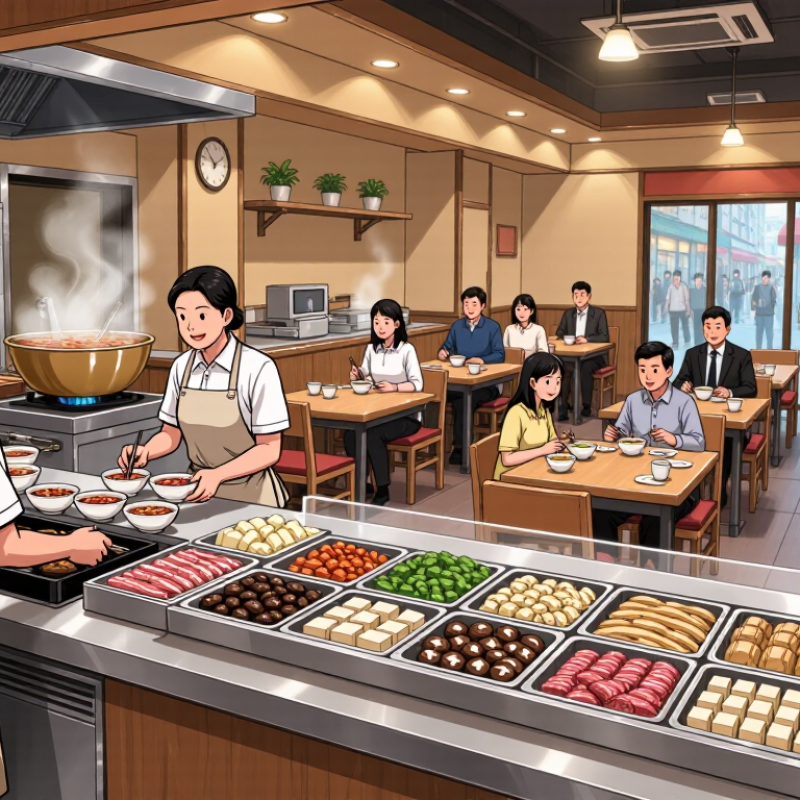
Malatang is a Chinese soup meal where diners choose ingredients and have them cooked in a seasoned broth. A typical counter displays vegetables, noodles, tofu, and thinly sliced meat in chilled trays. Customers select a bowl, then staff weigh the ingredients before cooking them. The final price often depends on weight, with broth and seasoning shaping the flavor. It feels personal. Each bowl can be different.
The business model combines ingredient sales, preparation, and quick service. In many shops, clear displays help customers choose while staff manage cooking and portioning. Revenue depends on customer traffic and average order size, but earnings also reflect rent, wages, utilities, spoilage, and ingredient costs. Fresh trays need careful temperature control and regular replenishment. A rush can raise sales, yet it can also strain the kitchen. The model may look simple from the dining room; behind the counter, inventory decisions are less forgiving. Buyers should test local demand and supplier costs before projecting returns. A menu that travels well across regions is not guaranteed. Some ingredients, broth preferences, and pricing expectations may need adjustment. One detail is easy to miss: weighing portions consistently takes training.

Chinese malatang shops usually earn revenue by letting customers build a bowl from a chilled ingredient bar. Diners select vegetables, noodles, tofu, and meat, then pay by weight or by a set meal price. The shop adds broth and seasonings, with optional extras such as sliced meat, dumplings, or a richer soup base. A bowl is not the whole business. Drinks, rice, and takeaway orders can raise the average bill.
Revenue depends on more than foot traffic. Ingredient cost, portion control, rent, staffing, and daily waste all affect what remains after sales. For example, leafy greens lose freshness quickly, while frozen items may keep longer but need careful storage. A busy lunch rush can improve kitchen efficiency, yet slow hours leave labor and rent unchanged. Small details matter.
For global buyers assessing this model, compare local ingredient prices and customer habits before estimating earnings. A compact menu can simplify purchasing, but too few choices may discourage repeat visits. Set prices that cover costs without making each bowl feel expensive. This balance is harder than it looks. Sales figures alone can mislead; ask for item-level costs, waste records, and seasonal results. Even a sound estimate needs revision after real trading begins.
Illustrative revenue mix for a single shop. Actual results vary by location, pricing, menu, and sales channel.
The example shows revenue led by dine-in and takeaway bowls, with add-ons and drinks contributing additional sales. These percentages are illustrative, not industry averages.
Malatang shop earnings depend on more than daily sales. Ingredient costs often move with menu choices and portion control. A basket with beef, seafood, mushrooms, and leafy greens costs more than one built around tofu and vegetables. Broth, sauces, and cooking oil also add up. Track the cost of each serving, not just the weekly supplier bill. Small leftovers matter.
Rent and labor can reshape the margin quickly. A busy street location may bring steady foot traffic, but a larger lease raises the sales needed to break even. Staff hours, payroll costs, electricity for chillers, and gas for cooking deserve separate estimates. Add bowls, takeaway packaging, payment fees, and delivery charges where relevant. I would not trust a tidy forecast without checking actual waste; a few unsold portions each night can change the result.
Tips: Compare expected sales with rent, wages, ingredients, and utilities in a simple monthly sheet. Test quieter weekdays, not only peak hours. Leave room for repairs and price changes. Estimates will be imperfect, especially before a shop has real sales data. Revisit them after several weeks and adjust portions or opening hours carefully.
China Best Malatang Earnings Guide for Global Buyers?
How can global buyers assess malatang profit claims? Start by asking what “profit” means. A sales figure is not take-home income. Request a sample monthly profit-and-loss statement, with food costs, wages, rent, utilities, delivery fees, and taxes listed separately. Check whether the figures reflect one outlet or a wider average. The distinction matters.
Test the assumptions against your intended location. A bowl priced at a certain amount may sell differently where rent is high or lunchtime traffic is low. Ask for serving sizes, ingredient costs, daily customer estimates, and the period used to calculate results. Then model a slower month and higher ingredient prices. If the projected return only works under perfect conditions, treat it cautiously. That is easy to miss.
Tips: Compare like with like: same store size, operating hours, and sales channel. Ask what costs are excluded, and verify key figures with independent local advisers. A small pilot can reveal waste, queue times, and repeat demand. Forecasts still involve uncertainty; leave room for it.
Malatang returns can be squeezed by costs that move faster than menu prices. In the United States, food-away-from-home prices rose 5.2% in 2023, according to USDA Economic Research Service data. A bowl with several toppings also makes portion control harder: a generous hand with premium meat or seafood can quietly erase margin. Keep recipes weighed, and track ingredient costs weekly. Small errors add up.
Labor, rent, and waste create further pressure. The National Restaurant Association’s 2024 Restaurant Operations Data Abstract reported median food and nonalcoholic beverage costs of 32.4% of sales for surveyed limited-service restaurants. That is a useful benchmark, not a Malatang forecast; local wages, rent, and purchasing terms can differ sharply. Long ingredient lists may also leave slow-moving items aging in cold storage, while a busy dinner rush can strain service and broth consistency. Margins can vanish.
For global buyers, currency swings, freight delays, and customs clearance can disrupt the cost of imported spices and equipment. Local sourcing may reduce exposure, but changing suppliers can alter flavor and cooking performance. I would test a small menu and record daily sales, discarded ingredients, and actual labor hours before expanding. This is not perfect: early sales may flatter the model, and one quiet month can change the picture. Build a cash buffer for those surprises.
Malatang returns depend on the site, menu, operating model, and local costs. The table below lists practical risk factors and measurable due-diligence indicators; it does not promise or estimate a specific profit level.
| Risk area | How it can affect returns | Useful indicator to track | Buyer due diligence |
|---|---|---|---|
| Ingredient price and supply volatility | Changes in the prices or availability of meat, vegetables, noodles, seasonings, and cooking oil can raise food costs or limit menu availability. | Ingredient cost per serving; purchase prices by item; supplier fill rate; spoilage and waste. | Review invoices across seasons, supplier terms, substitute ingredients, delivery schedules, and cold-storage records. |
| Rent and site selection | High occupancy costs, weak foot traffic, or an unsuitable layout can reduce store-level operating earnings. | Monthly rent and property charges; lease term; customer counts by daypart; sales per usable area. | Check the signed lease, renewal and exit clauses, permitted use, nearby competition, and footfall at different times. |
| Labor availability and productivity | Wage changes, staff turnover, overtime, and understaffing can increase operating costs or affect service speed and food handling. | Labor cost per sales period; hours scheduled; turnover; orders served per labor hour. | Review payroll records, local employment obligations, staffing plans, training materials, and peak-period coverage. |
| Delivery-platform economics | Platform commissions, promotions, packaging, and refunds may make delivery orders less profitable than their sales value suggests. | Net receipts per order; commission and promotion deductions; packaging cost; cancellation and refund rates. | Reconcile platform statements to bank deposits and compare contribution by delivery, takeaway, and dine-in orders. |
| Food safety and temperature control | Unsafe storage, cross-contamination, or poor cooking practices can cause customer harm, enforcement action, closures, and reputational damage. | Temperature logs; cleaning and inspection records; supplier traceability; complaint and incident records. | Inspect the premises and records, verify local food-service permits, and confirm staff food-safety training and recall procedures. |
| Demand, seasonality, and menu fit | Customer traffic and average spending can change with weather, school and office calendars, local tastes, and competing dining options. | Transactions and average ticket by daypart; repeat-customer rate; sales mix; monthly sales pattern. | Review monthly point-of-sale data, local customer feedback, menu pricing, and performance across both peak and quieter periods. |
| Permits, taxes, and local compliance | Requirements can vary by location and business structure. Non-compliance may lead to additional costs, penalties, or interruption of trading. | Permit status and renewal dates; tax filings; inspection findings; documented corrective actions. | Obtain location-specific advice from qualified legal and tax professionals; verify filings and licenses with the relevant authorities. |
| Fit-out, equipment, and maintenance | Upfront construction, ventilation, refrigeration, and repair costs can exceed initial plans or interrupt operations. | Itemized fit-out budget; equipment age and service history; repair costs; downtime. | Get independent condition checks, written contractor quotations, equipment warranties, and a maintenance plan. |
| Foreign-exchange and cross-border payments | For overseas buyers, exchange-rate movements, payment timing, and transfer costs can change the home-currency value of investment and returns. | Currency of investment and distributions; conversion dates; transfer charges; payment delays. | Model currency scenarios and confirm payment, repatriation, and tax treatment with qualified financial and legal advisers. |
Assessment note: Validate sales, costs, lease obligations, licenses, and payment records for the specific location and operating entity. Historical performance does not guarantee future results.


For those larger-sized parts, or smaller quantity runs, we have 2 independent powder coat booths and ovens. The quality, durability and affordability of today’s powder coating finishes make this the process of choice for world-class companies.
Powder coating advantages over other forms of coating are many. Materials used in the Powder coating process can be metals and non-metals that come in a multitude of thicknesses, textures, colors, etc. Another of Powder coating’s biggest advantages over conventional coatings is its ability to create finishes in many different textures. Powder Coating Booths allow us the ability to apply these advantages to large products.
Tri-State Fabricators runs a full-service conveyor line for painting. Wet painting can provide protection or decoration to many different part styles. From start to finish, every project is easier to undergo random and point-based inspection by our skilled painting team.
Advantages to our Wet Paint Line are these lines start with product prep and ends with a thorough inspection of a high quality finished product. Our ability to complete large and small projects with a superior finish and doing so in a timely and economical fashion. This passes along the savings in production to our customers. When powder coating ins not an option, our Wet Paint Line gets the job done right the first time.
When the parts get big and heavy we roll-out our custom paint racks and oversize booth. By utilizing our partnerships with all the major paint brands, we can match virtually any color with wet paint.
The advantages of having access to a Wet Paint Booth are many. Large projects of many different shapes can be loaded into the booth. The Wet Paint Booth offers an environment that is much more controlled than a typical parts painting operation.
Not only are they used because of their controlled environment, but they’re are also advantageous when it comes to applying paint to parts that are needed in industries that require specialty coatings such as medical, aerospace, etc.
Our military forces have some very high standards when it comes to the finish of their vehicles and equipment. From the first pre-treatment step to final coat, it takes a great deal of knowledge and experience to protect the men and women of our armed forces. They deserve only the best, and Tri-State Fabricators provides it.
All of our processes are closely monitored by our staff and management teams. Both of which are highly trained in the processes of metal fabrication and finishing. Tri-State Fabricators’ goal is to always fully satisfy each and every customer, including the military. We will always put a 110% into what we do.
Abrasive media blasting is an excellent way to remove old paint, rust, and increase the paint/powder adhesion. Glass beads produce a much smoother and brighter finish than angular abrasives; leaving the part clean yet without any dimensional change. Chemically inert and environmentally friendly, we can recycle our beads approximately 30 times; making them a more preferred method of metal cleaning or surface finishing.
Advantages to Glass Bead Blasting are many. Glass bead blast media is used when a project is needing rough surfaces need to become smooth for applications of coatings such as paint. It is typically used to clean paint and rust from a product surface without deforming the surface it is being used on. Overall, compared to many other blasting media, Glass Bead Blasting is a very economical choice and those savings are always passed on to our customers.
Tri-State Fabricators utilize a zinc phosphate wash to clean and etch the material to ensure the best paint adhesion possible. The unique design of our 3-stage wash system does the work like a 5-stage. From Cleaning and rinsing to conversion coating and post-treatment, Our Part Washing process is a complete service and works throughout the fabrication service and the finishing service.
Along with the previously mentioned benefits, Curing is a vital chemical reaction that leaves the product finish hard and relatively safe from mild abrasion and aggressive corrosion. This process can be done in more than one way; ambient air-dry or in curing ovens at temps that exceed 240°.
From fixing paint mistakes (someone else’s of course) to simply cleaning our paint line hooks, our burn-off oven is put to good use. After a quick burn-off, a little clean up, and a fresh coat of paint, your parts will look better than new.
Why does our Burn-Off Oven work so well? Because super heating the air around parts turns the materials into ashes. From paint and powder coatings to rubber and machining oils, high temps do the job without degrading the integrity of the part.
Masking is a vital part of producing high quality products. We have die-cut masking patterns to protect machined surfaces as well as a wide range of plugs and caps to protect threaded holes and bolts. We provide permanent and temporary masking.
Masking allows the selected sections of a product to be protected from a fabrication or finishing service. This can be with both chemicals when etching and tapes, paints when only finishing just a section of the product. Masking is great in aiding the customization process of a project.
Screen printing is a photographic process that transfers artwork onto a porous nylon screen which allows colored ink to flow through the screen and be deposited on an aluminum or plastic component. We can generally have just about any design created onto a screen for your parts.
Some of the advantages of Screen Printing are, brand recognition for your business displaying on your products, assembly instructions, product warnings/hazards, etc. Tri-State Fabricators produces Screen Printing of the highest quality so you know it’s durable.
Metal Finishing is the art of treating the exterior portion of product, often metal but can also be made of other materials, so that the surface is clean and free of any debris. Then the process of applying coats or either paint of powder coat takes place. This coating process improves the quality of the product in both appearance and resistance to wear and corrosion.
Tri-State Fabricators, Inc., understands that a project typically isn’t complete until a high-quality finish has been added to your product. This is why our painting and powder coating teams continuously inspect the products throughout the Metal Finishing process.

