China Top Brick Kiln Oven Manufacturers and Suppliers
China’s Brick Kiln Oven manufacturers serve buyers seeking equipment for clay bricks, blocks, and other fired products. Yet a polished catalog is only a starting point. A kiln must match the clay body, target output, fuel supply, and local operating conditions. Even a small mismatch can mean uneven firing, wasted fuel, or costly production delays.
When comparing suppliers, look beyond headline capacity. Ask for kiln dimensions, temperature-control details, insulation specifications, service terms, and references from comparable installations. Request clear drawings and confirm which components are included. If possible, review a running kiln or speak with an existing customer. The details matter. A clean showroom cannot prove years of reliable operation. Nor can a low quotation explain every future maintenance cost.
Kiln engineer Daniel Rhodes, author of Kilns: Design, Construction, and Operation, provides a useful perspective. A fair paraphrase of his work is that design, construction, and operation belong together; this is not a direct quotation. That principle helps frame a practical comparison of China’s leading manufacturers and suppliers. Look for documented experience, consistent quality checks, responsive technical support, and realistic delivery commitments. Ask how the supplier handles commissioning and operator training, too. A kiln is a long-term production asset, not just a shipment. Still, supplier claims deserve verification. No checklist catches every weak weld or vague promise, and buyers should examine the evidence carefully before choosing a Brick Kiln Oven partner.
What Is a Brick Kiln Oven and How Does It Work?
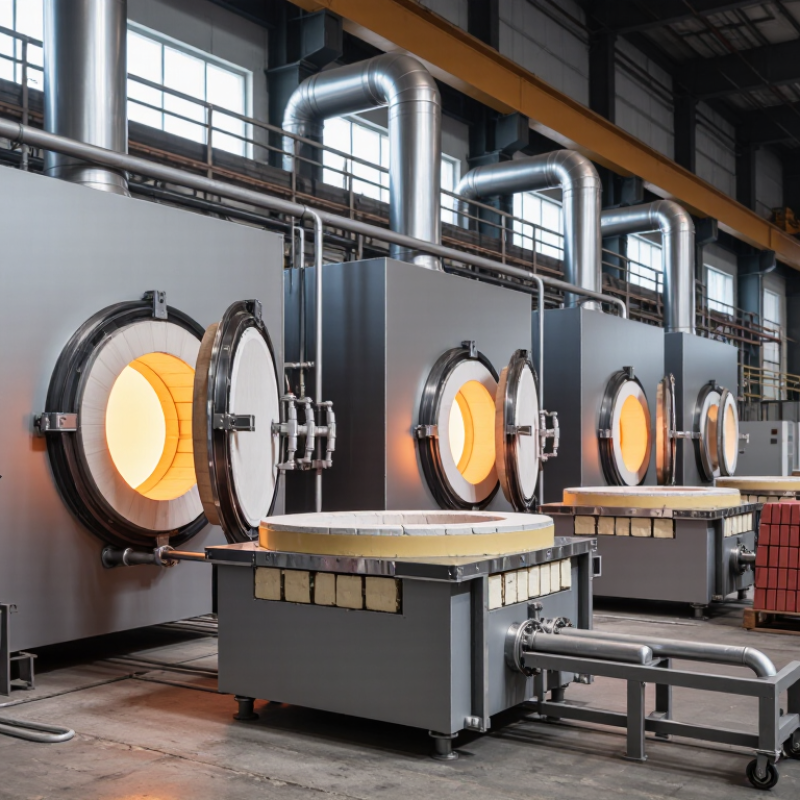
A brick kiln oven is a high-temperature chamber used to turn shaped, dried clay into durable bricks. It is not simply a large household oven. Its structure guides heat and airflow around each load, helping bricks fire more evenly. Operators stack green bricks with spaces between them, so hot gases can pass through the setting. Too little airflow may leave some bricks underfired, while uneven heating can cause cracks or color differences.
The firing cycle usually includes preheating, heating, soaking, and controlled cooling. During preheating, remaining moisture escapes gradually. Then, fuel or another heat source raises the chamber temperature; many clay bricks are fired around 900–1,100°C, depending on the clay and product. The soak gives heat time to reach the inner rows. It matters. Cooling must also be managed, since rapid temperature changes can stress the bricks. Kiln designs differ, and so do operating conditions. In practice, even careful temperature readings may not reveal every cold spot. Checking sample bricks and keeping firing records can help operators adjust airflow, loading, and cycle time. A kiln is a system, not just a flame.
China Top Brick Kiln Oven Manufacturers and Suppliers - What Is a Brick Kiln Oven and How Does It Work?
A brick kiln oven is a high-temperature furnace used to fire shaped clay or other suitable masonry products. Kiln designs differ in how the bricks and heat move through the firing process.
| Kiln Type | How It Works | Typical Firing Temperature | Common Fuel Options | Typical Use and Considerations |
| Tunnel kiln | Bricks travel on kiln cars through preheating, firing, and cooling zones while the zones remain in place. | Often around 900–1,200°C, depending on the clay body and product. | Natural gas, other fuel gases, or solid fuels in suitably designed systems. | Suitable for continuous, high-volume production; requires an appropriate kiln layout, controls, and material-handling system. |
| Hoffmann kiln | A continuous kiln with connected chambers. The firing zone advances from chamber to chamber, while exhaust heat preheats unfired bricks. | Commonly about 900–1,100°C for fired clay bricks; the required temperature varies by product. | Coal and other locally available fuels, subject to kiln design and emissions requirements. | Can recover heat between chambers; firing consistency depends on operation, loading, and air control. |
| Bull’s trench kiln | A continuous, usually oval or circular trench kiln in which the firing zone moves through the brick setting as air flows through the kiln. | Typically around 900–1,100°C, depending on the brick and operating conditions. | Often coal or other solid fuels; fuel suitability and emissions controls depend on the installation. | A continuous production method used in some regions; performance depends on airflow, firing practice, and local environmental rules. |
| Vertical shaft brick kiln (VSBK) | Bricks move downward through a vertical shaft. Hot gases rise and preheat incoming bricks, while fired bricks cool lower in the shaft. | Often around 900–1,100°C for clay bricks, with temperature determined by the product and process. | Fuel choice varies by design and location; coal and some biomass fuels may be used in suitable systems. | Compact, continuous operation can support heat recovery; consistent brick size and controlled loading are important. |
| Zigzag kiln | Combustion gases follow a zigzag route through the brick setting, increasing the gas path and supporting heat transfer. | Generally about 900–1,100°C for fired clay bricks; actual settings depend on the product. | Commonly solid fuels, with options depending on the design and applicable emissions standards. | Can improve combustion and heat distribution compared with some traditional kiln arrangements when correctly designed and operated. |
| Clamp kiln | Green bricks and fuel are stacked together and fired as a batch; the kiln is assembled and dismantled around each firing. | Temperature distribution varies considerably; firing conditions depend on the stack, fuel, and operating method. | Typically solid fuels, depending on local practice and regulations. | Simple batch method with limited process control; firing uniformity and emissions should be carefully considered. |
Temperature ranges are indicative rather than guaranteed specifications. Actual firing conditions depend on the raw material, brick dimensions, moisture content, kiln design, fuel, and required product properties.
Main Types of Brick Kiln Ovens Used in China
China uses several brick kiln oven types, each suited to different production scales and fuel conditions. Tunnel kilns remain common in large factories. Green bricks move slowly on kiln cars through preheating, firing, and cooling zones. Temperatures usually reach about 900 to 1,100°C, depending on the clay mixture. Continuous movement supports stable output and easier quality control.
Hoffmann kilns use connected chambers in a circular or oval layout. Heat travels between chambers, reducing fuel waste when operators manage airflow carefully. They can suit medium-sized plants, especially where production changes frequently. Shuttle kilns work differently. Bricks stay inside one chamber while the firing cycle runs. This design offers flexible temperature control and supports smaller batches, shaped bricks, or testing work.
Roller kilns may appear in specialized brick production, particularly with thinner products and controlled firing schedules. They require accurate loading and careful roller maintenance. Poor alignment can mark brick surfaces. I have seen this problem increase when moisture levels vary across a batch. The choice is not always obvious. Tunnel kilns provide efficiency, but their fixed layout demands steady production. Shuttle kilns allow flexibility, yet each cycle may consume more labor and energy. Experienced suppliers should examine clay behavior, daily output, fuel availability, insulation, and local operating skills before recommending equipment. A technically impressive kiln can still perform poorly when drying control is overlooked.
China Top Brick Kiln Oven Manufacturers and Suppliers
Main Types of Brick Kiln Ovens Used in China
The chart compares representative firing temperatures for common brick kiln types used in China. Tunnel and Hoffmann kilns are widely associated with continuous brick production, while shuttle and downdraft kilns are commonly selected for flexible batch production. Values show typical operating midpoints rather than company-specific performance or market share.
Key Technologies and Materials in Modern Brick Kilns
Modern brick kilns combine controlled firing with materials designed to withstand repeated heat cycles. In tunnel kilns, bricks move through preheating, firing, and cooling zones. Temperature sensors help operators monitor each stage, while adjustable burners and airflow controls support even heating. Heat-recovery systems can reuse warmth from cooling zones, reducing fuel demand. But sensors are clues, not truth; placement and calibration matter.
Refractory linings protect the kiln structure from high temperatures and chemical wear. Insulating firebricks and ceramic-fiber components can limit heat loss, while kiln cars need durable shelves and supports that resist warping. The brick clay itself also matters. Moisture, particle size, and mineral content affect drying and firing, so a setting that works for one clay may not suit another. Small test batches are useful. Results can still surprise you.
Tips: Check temperature patterns across the kiln, not just at one sensor. Inspect lining joints and kiln-car surfaces during scheduled maintenance. Record firing curves alongside sample color and strength; these notes help identify gradual changes before they become costly defects.
How to Assess Chinese Brick Kiln Oven Manufacturers
Assessing a Chinese brick kiln oven manufacturer takes more than comparing quoted prices. Share your clay type, brick dimensions, target output, and available fuel before reviewing a proposal. Ask for a kiln layout showing loading zones, airflow paths, burners, and temperature-monitoring points. A useful technical discussion should explain how the design manages heat distribution and drying, not just list maximum temperature. Small details matter. Check whether insulation, refractory materials, controls, and spare parts are clearly specified.
Request operating references for projects with similar products and production volumes. If possible, speak with an existing customer or inspect a working installation. Ask how commissioning, operator training, and after-sales support are handled, and who pays for travel or replacement parts. Compare the stated capacity with realistic firing cycles, including loading, heating, cooling, and maintenance time. Do not rush. Drawings and written specifications make vague promises easier to question. A factory visit can reveal workmanship, but one visit is not proof of long-term reliability. Some assumptions will still need checking, especially energy use under your local operating conditions. Keep a written record of unanswered questions and ask for revised details before making a decision.
How to Choose a Reliable Brick Kiln Oven Supplier in China
A reliable brick kiln oven supplier should show operating evidence, not just polished drawings. Ask for proof. Request test records for fuel use per 1,000 bricks, firing-cycle time, temperature variation across the kiln, and reject rates. A witnessed trial using your clay and brick dimensions is more useful than a generic efficiency claim. Check how the supplier measures these figures; uneven loading or different moisture levels can distort results.
The Global Alliance for Buildings and Construction’s 2023 Global Status Report states that buildings used 34% of global energy and produced 37% of energy- and process-related CO₂ emissions in 2022. These figures are not specific to brick kilns, but they make energy performance worth verifying. Ask for kiln heat-balance data, insulation specifications, and fuel-consumption records from a comparable installation. A lower quoted fuel rate means little without the same production conditions.
Inspect the practical details. Are refractory bricks and burners locally serviceable? Does the supplier provide commissioning, operator training, and a written spare-parts schedule? Speak with two or three kiln operators, and ask what failed after the first year. No checklist catches every problem. I would also question a supplier who promises a fixed output before reviewing the site, clay, and available fuel.





