Top 10 China Automated Slitting Machine Features Buyers Want?
In the fast-evolving world of manufacturing, China Automated Slitting Machines have gained significant attention. According to Dr. Wei Chen, an expert in automation technology, “Understanding the key features of slitting machines can optimize production efficiency.” This statement underscores the importance of recognizing the critical attributes buyers seek in these machines.
China Automated Slitting Machines offer unparalleled precision and versatility. Buyers look for features like speed, accuracy, and ease of operation. However, it’s essential to understand that not all machines meet these demands equally. Some systems may lack advanced technology, leading to inefficiencies. The quest for optimal performance often leads buyers to make tough decisions when selecting equipment. Understanding the balance between cost and capability remains crucial.
Moreover, the landscape of the automated slitting machine industry is diverse. Different manufacturers emphasize unique features. Some prioritize automation while others focus on user-friendly interfaces. This variation invites potential buyers to reflect on their specific needs. Ultimately, recognizing the essential features of China Automated Slitting Machines can significantly impact operational success.
Key Automation Technologies in China’s Slitting Machines for Efficiency
In the realm of slitting machines, automation technologies play a crucial role in enhancing efficiency. Modern automated slitting machines in China utilize advanced sensors and real-time data analysis. This allows for precise adjustments, ensuring reduced waste and optimal performance. Buyers are often impressed by features like automated blade positioning, which streamlines operations significantly.
Consider the integration of AI-driven software. This technology optimizes material usage, predicting potential issues before they escalate. Users find this feature vital, as it improves productivity and minimizes downtime. Also, the ability to monitor machine performance remotely is gaining traction. It offers insights, allowing for timely maintenance and increasing the reliability of operations.
**Tip:** When choosing an automated slitting machine, seek models that offer real-time analytics. This can greatly aid in improving operational effectiveness. Understanding the machine’s limitations is essential. Automation is not a one-size-fits-all solution; it does require an initial learning curve. Investing time in training staff can lead to more effective use of these technologies.
Precision in Slitting: The Importance of Tolerance Levels in Machine Design
Precision in slitting is crucial for achieving high-quality results in automated cutting processes. Tolerance levels directly influence a machine's performance and the quality of the final product. According to a recent industry report, machines with tolerance levels of ±0.1 mm deliver optimal results for a variety of materials, including metals and plastics. This precision directly affects waste rates and production efficiency, highlighting its importance in the manufacturing process.
Moreover, many buyers consider how well a machine can handle different materials. For example, a machine's ability to maintain tight tolerances while slitting various thicknesses can determine its overall effectiveness. Reports indicate that up to 30% of production issues arise from improper tolerances, reflecting the need for specific design considerations. Buyers want equipment that minimizes errors, damaging impacts, and costly reworks.
Investors need to be aware of potential challenges in achieving ideal tolerance levels. Variations in material properties and environmental conditions can lead to inconsistencies. Regular calibration is essential. A poorly calibrated machine can result in significant errors, even with tight tolerance specifications. It is a dilemma that buyers must consider in their search for the perfect automated slitting machine.
Material Compatibility: Essential Features for Diverse Slitting Applications
When considering an automated slitting machine, material compatibility is crucial. Various materials, such as foam, paper, or plastic, require different slitting approaches. For instance, a paper-based product often demands precision that can differ significantly from that of a thicker plastic sheet. Understanding these differences allows buyers to select a machine that fits their specific needs.
For effective operation, ensure your chosen machine can handle multiple thicknesses and types of materials. This flexibility can enhance productivity and reduce operational downtime. A versatile machine also accommodates changing market demands, which is vital in today's fast-paced environment.
Tip: Regularly assess your material inventory. Knowing what you frequently use can guide your machinery decisions.
Recognizing the specific features that match your material types can prevent costly errors. Buyers should consider machines that offer adjustable cutting speeds. This feature can be invaluable when dealing with varying material properties.
Tip: Maintain an open line of communication with your supplier. Discussing your needs can lead to better recommendations.
Top 10 China Automated Slitting Machine Features Buyers Want
| Feature | Description | Material Compatibility | Suitable Applications |
| Speed Control | Adjustable slitting speed for different materials. | Flexible, PVC, PET | Film, Paper, Foil |
| Blade Type | Various blade types for specific cutting requirements. | Aluminum, Steel | Metals, Laminates |
| User Interface | Intuitive controls for ease of operation. | All Materials | General Use |
| Safety Features | Emergency stop and protective guards. | All Materials | Industrial Use |
| Automatic Tension Control | Maintains consistent tension throughout slitting. | Paper, Film, Foil | Flexible Products |
| Size Versatility | Ability to handle various roll sizes. | Wide Range | Various Industries |
| Energy Efficiency | Low energy consumption for operation. | Eco-Friendly Materials | Sustainable Manufacturing |
| Integration Capabilities | Easily integrates with existing production lines. | All Materials | Various Applications |
| Durability | Built to withstand heavy industrial use. | Metal, Composite | Industrial Manufacturing |
| Maintenance Alerts | Automatic alerts for maintenance and inspections. | All Materials | General Use |
User-Friendly Interfaces: Enhancing Operator Efficiency in Automated Machines
User-friendly interfaces are crucial for enhancing operator efficiency in automated slitting machines. These interfaces allow personnel to operate machinery seamlessly, reducing the chances of errors. Clear visual displays guide operators throughout processes, helping them understand settings and adjustments quickly. Such designs lead to improved productivity, as operators spend less time figuring out controls.
Another essential feature is the simplicity of navigation. Intuitive layouts streamline operations, minimizing the need for extensive training. Operators can adapt to new machines more quickly. This adaptability is vital, especially in a fast-paced manufacturing environment. Even small adjustments can ensure precision in slitting operations, which directly affects product quality.
However, not all user interfaces are perfect. Some may still overwhelm operators with information or complex layouts. Continuous feedback from end-users helps manufacturers identify these issues. Regular updates and iterations on interface designs can greatly improve user experience. By addressing operator frustrations, companies can boost efficiency significantly.
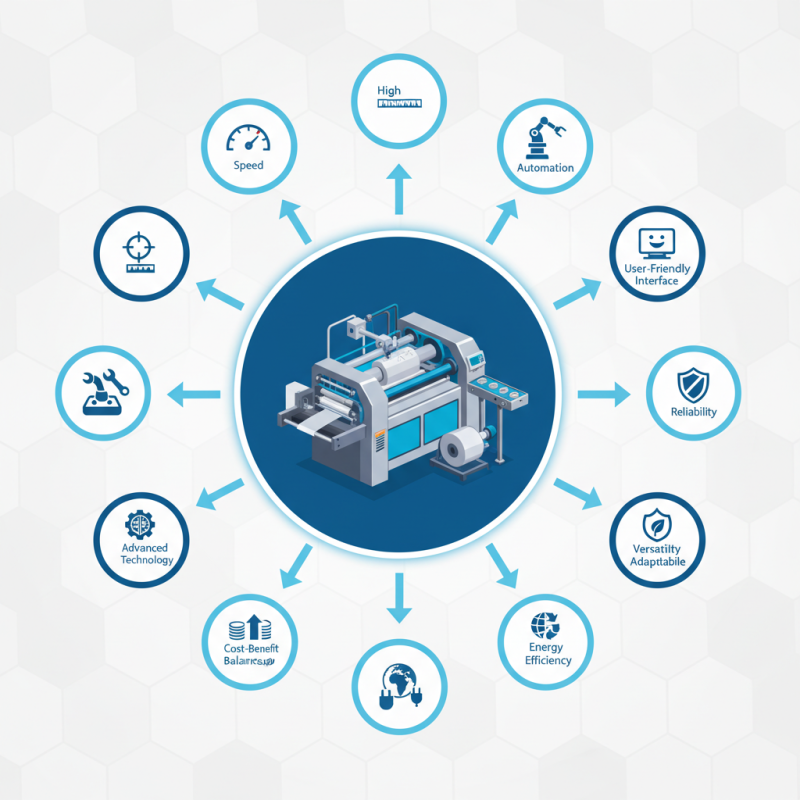
Top 10 Features Buyers Want in China Automated Slitting Machines
Maintenance and Reliability: Key Metrics for Long-Term Slitting Machine Use
When considering automated slitting machines, maintenance and reliability are crucial metrics that buyers evaluate. According to recent industry reports, around 45% of machine failures result from inadequate maintenance. Regular upkeep minimizes downtime and enhances productivity. Reports suggest a routine maintenance schedule can increase slitting machine lifespan by up to 30%. This emphasizes the significance of a reliable maintenance plan.
Buyers seek machines with features that facilitate easy maintenance. Machines designed for simple component replacements can reduce repair times. Additionally, machines equipped with real-time monitoring systems provide insights on operational performance. These systems can alert users to potential issues before they escalate. Maintenance forecast tools enable proactive strategies, saving time and costs. However, most users underestimate the impact of neglecting small issues. Even minor wear can lead to major disruptions.
Furthermore, comprehensive training for operators is often overlooked. Understanding the nuances of machine operation can prevent mistakes. Research shows that well-trained operators lead to a 20% reduction in operational errors. Therefore, investing in training ensures that machines are used effectively and maintained properly. Balancing technology and human expertise is key for long-term success in slitting operations.





