Top 10 Centrifugal Pump Tips for Efficient Performance?
Centrifugal Pumps are a cornerstone of many industrial applications. According to the Hydraulic Institute, centrifugal pumps account for approximately 80% of the total installed pumps globally. Their efficiency is crucial for optimizing process effectiveness and energy consumption. However, many users face challenges in achieving peak performance.
Studies reveal that improper maintenance can reduce pump efficiency by up to 25%. This inefficiency not only increases operational costs but also impacts the overall productivity of a facility. Engineers and operators must focus on best practices to enhance performance. Implementing effective strategies can lead to significant savings and improved reliability.
To navigate these challenges, understanding the intricacies of centrifugal pump operation is essential. Users should be aware of the common pitfalls. Regular training and maintenance checks can also fall short without a clear strategy. By refining practices and enhancing knowledge, the industry can move towards more efficient and reliable centrifugal pump systems.
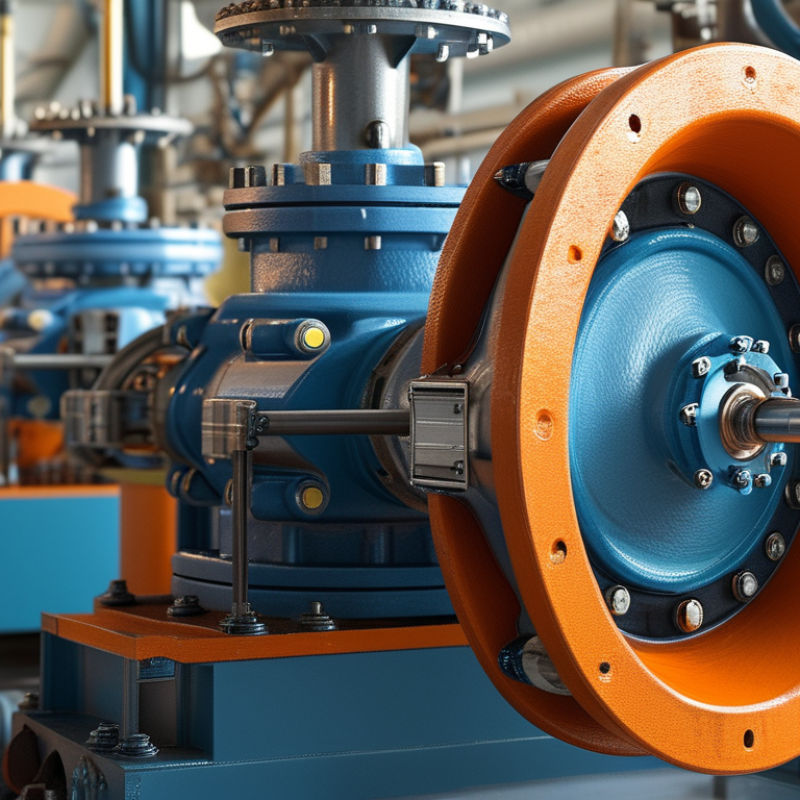
Understanding the Basics of Centrifugal Pump Operation
Understanding how centrifugal pumps operate is key to maximizing their efficiency. These pumps use a rotating impeller to add energy to the fluid, converting mechanical energy into hydraulic energy. The design and materials of the pump significantly influence its performance and durability. For instance, according to the Hydraulic Institute, pumps can lose approximately 5-15% efficiency due to improper sizing or installation.
Tip: Regular maintenance is crucial. Check for wear and tear in the impeller and volute casing. This can prevent significant efficiency drops. Regularly cleaning the pump can also improve flow rates. Routine checks can identify potential issues before they become costly problems.
Another factor is fluid viscosity. The viscosity of the fluid being pumped affects the energy required. Using pumps outside their designed viscosity range can lead to inefficiencies. A report from the American Society of Mechanical Engineers highlights that using the right pump for the specific fluid can enhance overall system performance.
Tip: Ensure the pump operates within its optimal range of flow and pressure. Avoid operating in extremes to prevent excessive wear. Understanding the operational limits can lead to better performance and longevity.
Identifying Common Centrifugal Pump Efficiency Pitfalls
Centrifugal pumps are critical in various industries. However, several common pitfalls can hinder their efficiency. Addressing these issues is essential for optimal performance.
A frequent mistake is improper pump sizing. Choosing a pump that is either too large or too small can lead to inefficiencies. Unsuitable sizing can cause cavitation, which damages the pump. Pay attention to the system’s flow rate and pressure requirements.
Another issue arises from inadequate maintenance. Neglecting to check for wear and tear can lead to significant failures. Regular inspections and timely replacement of worn-out parts can prevent costly downtime. Additionally, examining the alignment of the pump and motor is vital. Misalignment can result in vibration and reduced efficiency. Focusing on these details helps you avoid common pitfalls in centrifugal pump operation.
Regular Maintenance Practices to Enhance Pump Performance
Maintaining centrifugal pumps is crucial for optimal operation. Regular maintenance practices significantly enhance performance, extending the pump's lifespan. According to industry data, up to 40% of pump failures are linked to inadequate maintenance. In contrast, a well-maintained pump can operate efficiently for many years.
One essential practice is routine inspections. Checking for leaks, unusual noises, or vibrations can signal problems early. Data shows that over 30% of operational issues arise from wear and tear. Regularly replacing worn components can prevent costly downtime. Another critical task is monitoring the pump's operating conditions. The right temperature and pressure are vital. Even minor deviations can lead to efficiency drops.
In addition, regular cleaning of the pump and its components is essential to prevent debris buildup. Reports highlight that a clean system can improve efficiency by up to 15%. It's also important to train staff in maintenance protocols. Proper training helps identify problems before they escalate. Reflecting on these areas can reveal gaps in current practices, prompting necessary improvements.
Top 10 Centrifugal Pump Tips for Efficient Performance
| Tip No. | Maintenance Practice | Frequency | Impact on Performance |
| 1 | Check for Leaks | Weekly | Prevents loss of efficiency |
| 2 | Inspect Bearings | Monthly | Reduces wear and tear |
| 3 | Clean Strainers | Every 3 months | Improves flow rate |
| 4 | Check Impeller Condition | Every 6 months | Ensures proper flow performance |
| 5 | Lubricate Moving Parts | Quarterly | Minimizes friction and wear |
| 6 | Monitor Vibration Levels | Monthly | Detects misalignment issues |
| 7 | Inspect Seals | Every 6 months | Prevents leaks and contamination |
| 8 | Flush Pump System | Annually | Removes sediment buildup |
| 9 | Review Operating Conditions | Monthly | Ensures optimal performance |
| 10 | Train Personnel | Ongoing | Improves safety and efficiency |
Choosing the Right Components for Optimal Pump Functionality
Choosing the right components for your centrifugal pump is crucial for maximizing efficiency. Start with the impeller. It directly affects the flow and pressure. Consider the material carefully. Stainless steel and plastic are common but have different uses. Ensure the impeller matches your fluid type to prevent corrosion.
Next, look at the casing design. A well-designed casing reduces turbulence. It also improves overall pump performance. Make sure the casing fits the impeller size. Misalignment can lead to inefficient operation or damage. Sometimes, users overlook the importance of sealing materials. A suitable seal prevents leaks. It prolongs the lifespan of the pump but requires regular inspections.
Don't forget about the motor. Choose one that can handle the pump's required power. An oversized motor wastes energy, while an undersized one can fail. Each component must work harmoniously. Pay attention to the piping layout as well. Poor design can cause pressure loss. Finally, always gather feedback from operators to identify areas for improvement. Their experience can reveal unseen issues.
Monitoring and Analyzing Performance Metrics for Improvements
Monitoring performance metrics is vital for maximizing the efficiency of centrifugal pumps. Regular analysis can reveal operational trends that highlight inefficiencies. For example, a report by the Hydraulic Institute indicates that around 30% of centrifugal pumps operate below optimal efficiency. This statistic emphasizes the need for diligent performance analysis.
Key metrics to monitor include flow rate, pressure, and energy consumption. Flow rates should match the designed specifications. Deviations can signal wear or system blockages. Pressure readings also help identify issues with impeller and casing interactions. Inconsistent pressure might mean maintenance is overdue. Energy use should align with pump capacity; excessive consumption points to an underlying problem.
Data collection methods are diverse. Advanced sensors can provide real-time data, while manual checks offer a simple alternative. However, relying solely on one method can be limiting. A blend of both approaches often yields the best insights. Monitoring equipment should also undergo regular calibration to ensure data reliability. Engaging in this routine may seem tedious but is critical for ongoing pump efficiency.
Top 10 Centrifugal Pump Tips for Efficient Performance
This chart represents the performance metrics of centrifugal pumps based on various efficiency tips. The data includes flow rate (GPM) and efficiency percentage for different operational scenarios.





