What is Casting Cleaning Equipment and How Does It Work?
Casting Cleaning Equipment plays a crucial role in the manufacturing process. It helps ensure that cast metal parts meet strict quality standards. These machines remove sand, scale, and other impurities from castings. This leads to improved surface finish and dimensional accuracy.
Understanding how Casting Cleaning Equipment functions is essential. Various technologies are used, including shot blasting and vibratory finishing. Each method has its advantages and limitations. The right choice depends on the specific application and material type. This equipment can significantly increase production efficiency. However, improper use can lead to damage, making operator training vital.
Investing in quality Casting Cleaning Equipment can be challenging. The market offers diverse options, but not all equipment will meet your needs. Regular maintenance is critical to keep machines running smoothly. Reflecting on past cleaning failures can improve future operations. Therefore, it’s important to assess both performance and potential issues regularly.
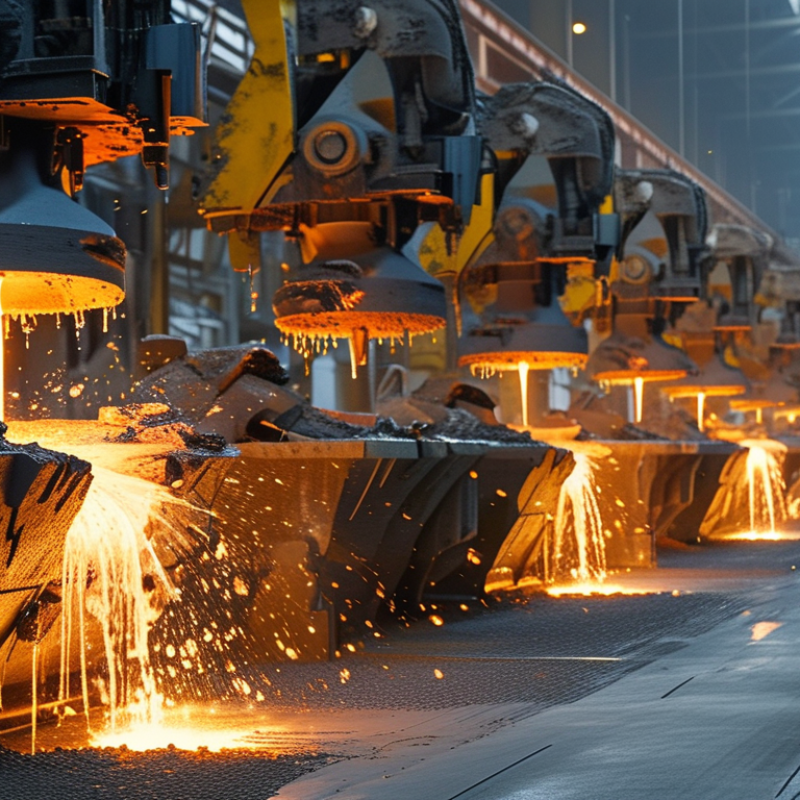
What is Casting Cleaning Equipment?
Casting cleaning equipment plays a critical role in the manufacturing process. It is designed to remove unwanted materials from castings. These materials often include sand, scale, or any residues from the casting process. Effective cleaning ensures high-quality products with a longer lifespan.
The equipment typically employs various methods to achieve thorough cleaning. Mechanical means, including shot blasting or sand blasting, are popular. These methods use abrasive materials to remove surface imperfections. Additionally, vibratory cleaning machines use vibrations to dislodge contaminants. Though efficient, this process may sometimes overlook hidden residues. Operators must regularly inspect the equipment for effectiveness.
Understanding the operation of casting cleaning equipment is crucial for manufacturers. Proper maintenance and monitoring can prevent inefficiencies. It’s important to train personnel in the best practices for using this equipment. Many users overlook this aspect, leading to potential issues. Ensuring a proactive approach to cleaning equipment can enhance product quality.
Types of Casting Cleaning Equipment Available
Casting cleaning equipment plays a vital role in the metalworking industry. Different types of equipment are available to meet various cleaning needs. Common types include shot blasters, vibratory finishers, and ultrasonic cleaners. Each type has unique applications and benefits tailored to specific metal parts.
Shot blasters use high-velocity abrasive media to remove contaminants from castings. They are effective for cleaning complex shapes. Ultrasonic cleaners, on the other hand, utilize high-frequency sound waves to produce cavitation bubbles, removing dirt from intricate surfaces. Vibratory finishers are ideal for bulk cleaning, especially for small parts.
Tips: Regular maintenance of your equipment boosts performance. Check for wear and tear frequently. Also, experiment with different cleaning processes to find what works best. Sometimes, a combination of methods can deliver superior results. Precision cleaning can dramatically improve the final quality of your castings. Don't be afraid to try something new.
How Does Casting Cleaning Equipment Operate?
Casting cleaning equipment plays a crucial role in the metal casting industry. Its primary function is to remove unwanted materials from the cast surfaces. Common impurities include sand, scale, and other debris. These residues can affect the quality and performance of the final product.
The operation of casting cleaning equipment typically involves several steps. First, the cast pieces are placed into the machine, where they are subjected to various cleaning methods. Methods such as shot blasting and vibration cleaning are prevalent. Shot blasting utilizes small steel shots to impact the surface, effectively removing contaminants. Vibration cleaning immerses components in a medium that agitates and cleans them without harsh impact.
Even with advanced technology, some challenges persist. Operators must carefully monitor the cleaning process. Over-cleaning can damage delicate castings. Some materials may require specific techniques that are sometimes trial and error. Experience in handling different metals is crucial for optimal results. Understanding the unique needs of each casting helps to minimize mistakes and enhance productivity.
Applications of Casting Cleaning Equipment in Industry
Casting cleaning equipment plays a crucial role in various industries that involve metal manufacturing. It is essential for removing unwanted materials from castings. This equipment ensures a clean surface and improves the quality of the final product. Companies that use casting cleaning equipment see a reduction in post-processing time by up to 30%, according to industry reports. This efficiency leads to cost savings and faster delivery times.
In the automotive sector, casting cleaning equipment is particularly valuable. It helps in processing engine blocks, transmission housings, and other critical components. Effective cleaning reduces defects that may arise during the assembly process. Research indicates that up to 15% of manufacturing delays are due to inadequate cleaning procedures. Industries must assess their capabilities to meet these performance benchmarks.
Tips: Regular maintenance of casting cleaning equipment can enhance its longevity. Operators should follow best practices to ensure optimal performance. Additionally, investing in modern technology can yield significant returns. Companies should evaluate their cleaning processes periodically to identify areas for improvement. This reassessment can lead to enhanced productivity and reduced waste.
Benefits of Using Casting Cleaning Equipment in Manufacturing
Casting cleaning equipment plays a vital role in the manufacturing process. This machinery is designed to eliminate sand and other impurities from casted parts. By ensuring these components are clean, manufacturers can improve the overall quality of their products. A cleaner casting leads to better finishing and lower rates of defects.
Using casting cleaning equipment offers several benefits. It reduces manual labor, allowing workers to focus on more complex tasks. Automation in cleaning processes ensures consistency and efficiency that manual methods cannot achieve. Furthermore, utilizing this equipment can significantly shorten production times, thus increasing overall productivity.
However, not all equipment is designed the same way. Some options may not fit every type of casting or metal. Manufacturers must carefully assess their needs. Choosing the wrong equipment could lead to significant downtime. Continuous evaluation and adaptation of methods remain crucial for success in this sphere.
Benefits of Using Casting Cleaning Equipment in Manufacturing





