What is Cast Stainless Steel and Its Applications?
cast stainless steel is a unique material known for its robustness and versatility. Widely used in various industries, its composition features a combination of high chromium and nickel content. This combination grants cast stainless steel excellent corrosion resistance and strength.
In many applications, cast stainless steel plays a crucial role. For example, it's found in the construction of marine equipment, industrial machinery, and architectural elements. Its ability to withstand harsh environments makes it ideal for such uses. However, there are challenges as well. The casting process can introduce defects that affect quality, and not all cast stainless steel is created equal.
Despite its advantages, some may overlook the importance of proper selection and processing. Understanding the limitations of cast stainless steel is vital. This ensures its performance in critical applications. The ongoing exploration of its properties continues to reveal new potential uses, making it an exciting material for future innovations.
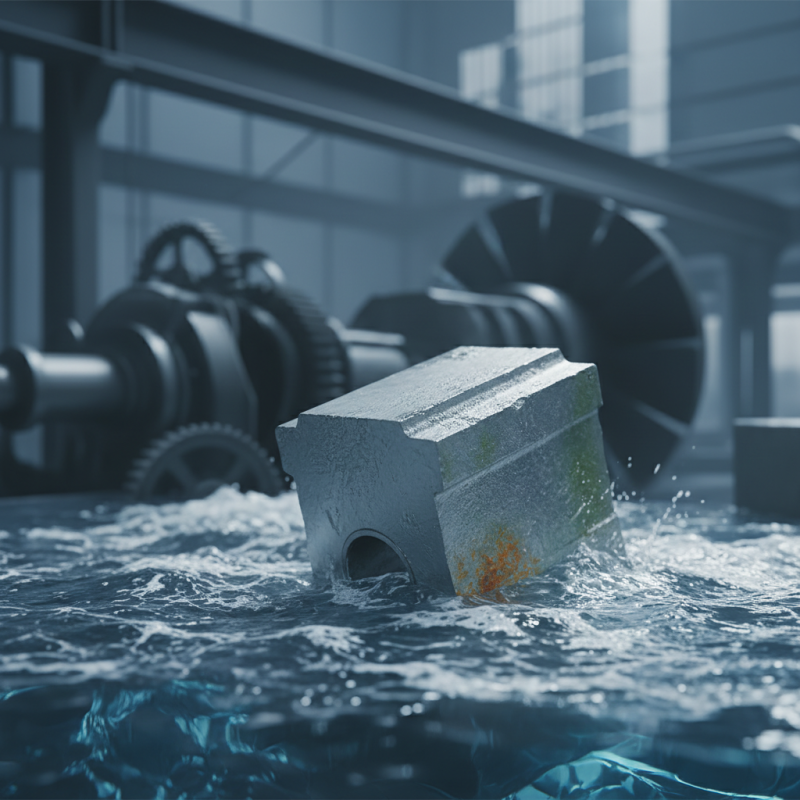
Definition and Composition of Cast Stainless Steel
Cast stainless steel is a unique material widely used in various industries. It consists of iron, chromium, nickel, and other alloying elements. The chromium content typically exceeds 10.5%, which gives it excellent corrosion resistance. This feature is essential for applications that face harsh environments. A report from the Steel Recycling Institute states that over 70% of stainless steel is recycled, underscoring sustainability in its production.
The composition of cast stainless steel can vary significantly. For example, the addition of molybdenum enhances resistance to pitting. This is crucial in marine applications. However, achieving the right balance in composition can be challenging. Heat treatment processes also impact its properties, leading to variations in strength and ductility. A study published in the Journal of Materials Science highlights the inconsistency in mechanical properties due to casting defects. This calls for careful monitoring during production to ensure high-quality steel.
Applications of cast stainless steel are diverse. It is used in the food industry, chemical processing, and construction. The need for durable materials is growing. However, defects can emerge, requiring rigorous testing. Some products might not perform as expected in real-world situations. Continuous research and development are essential. Addressing these issues can improve performance and reliability in applications.
Manufacturing Process of Cast Stainless Steel
The manufacturing process of cast stainless steel begins with the selection of high-quality raw materials. These materials include alloys of chromium, nickel, and molybdenum. The combination of these elements gives cast stainless steel its unique properties. The materials are melted in a furnace at high temperatures, often exceeding 1500 degrees Celsius.
Once melted, the molten metal is poured into molds to create various shapes. This step requires precision. The molds must be designed to withstand the heat and pressure. However, imperfections can occur during this phase. For instance, air pockets or surface defects may form.
After cooling, the cast components undergo extensive testing. This ensures they meet the required standards. Machining processes may follow to achieve finer tolerances. It can involve grinding or polishing surfaces. Quality control is crucial here. Even minor flaws can compromise the integrity of the final product. Each step contributes to creating durable, corrosion-resistant components for various applications.
What is Cast Stainless Steel and Its Applications? - Manufacturing Process of Cast Stainless Steel
| Property | Description | Common Applications |
| Corrosion Resistance | High resistance to oxidation and corrosion due to the presence of chromium. | Chemical processing, food and beverage industry. |
| Mechanical Properties | Good tensile strength and toughness, suitable for various applications. | Automotive components, construction equipment. |
| Casting Process | Utilizes investment casting or sand casting techniques for intricate shapes. | Aerospace parts, marine applications. |
| Cost Efficiency | Cost-effective for producing complex shapes in large quantities. | Mass production parts, heavy machinery. |
| Heat Resistance | Maintains structural integrity at elevated temperatures. | Power generation, industrial furnace applications. |
Properties and Characteristics of Cast Stainless Steel
Cast stainless steel is known for its unique properties and characteristics. It combines the strength of steel with the corrosion resistance of stainless steel. This alloy is often used in harsh environments, making it a popular choice in many industries. The ability to withstand high temperatures is one of its key features. It can endure heat without losing structural integrity.
The versatility of cast stainless steel is noteworthy. It is used in food processing, as well as in marine applications. Its surface finish can be smooth or rough, depending on the requirements. While it offers many advantages, some challenges remain. For instance, the casting process can introduce imperfections. These defects may affect mechanical properties. Proper inspection techniques must be employed to ensure quality.
Another important factor is fabrication. Working with cast stainless steel can be tricky. Welding requires special techniques to avoid cracking. Moreover, machining can be complicated due to its toughness. Users must be aware of these issues. They need to plan carefully during fabrication. Despite these challenges, cast stainless steel remains a reliable choice for various applications. Its ability to perform in demanding conditions is commendable.
Common Applications of Cast Stainless Steel in Various Industries
Cast stainless steel is widely used across various industries due to its unique properties. It offers excellent corrosion resistance, strength, and durability. This makes it suitable for environments exposed to harsh conditions, such as marine and chemical settings.
In the construction industry, cast stainless steel is often used for architectural elements. Handrails, frames, and supports benefit from its strength and aesthetic appeal. Food processing plants also rely on this material. Equipment like tanks and piping systems made of cast stainless steel ensure hygiene and safety in food production.
However, challenges exist. The casting process can introduce imperfections. These require careful inspection and quality control. Proper design and engineering are crucial to maximize the advantages of cast stainless steel while minimizing its shortcomings. Balancing cost and performance remains an important consideration in every application.
Applications of Cast Stainless Steel in Various Industries
Advantages and Disadvantages of Using Cast Stainless Steel
Cast stainless steel offers several advantages in various applications. Its resistance to corrosion makes it ideal for harsh environments. Many industries utilize cast stainless steel for components exposed to moisture. This material can easily withstand high temperatures, which adds to its versatility. Engineers appreciate its strength and durability, ensuring long-lasting performance.
However, there are drawbacks to consider. Cast stainless steel is often more expensive than other materials. This can limit its use in projects with tight budgets. Additionally, the casting process can lead to imperfections. These flaws may require rework or adjustment, impacting production timelines. The need for skilled labor in casting also poses challenges. These factors can deter some manufacturers from choosing cast stainless steel for their projects.





