What are Carbon Filters and How Do They Work?
Carbon Filters are essential tools in our pursuit of clean air and water. They function by adsorbing impurities, effectively removing contaminants. These filters utilize activated carbon, a material renowned for its unique porous structure. This structure allows it to trap a wide range of pollutants.
The effectiveness of carbon filters lies in their ability to capture volatile organic compounds, odors, and chlorine. They are widely used in water purification systems and air purifiers. While many users appreciate their benefits, it is crucial to understand their limitations. Carbon filters cannot remove every type of contaminant. They work best with specific substances and need regular replacement.
Using carbon filters presents both advantages and challenges. Many individuals may overlook the importance of maintenance. Regular changes protect against the buildup of harmful bacteria. This awareness ensures that the filters continue to perform optimally, providing fresh air and water. Understanding how carbon filters work helps us appreciate their role in improving our everyday environment.
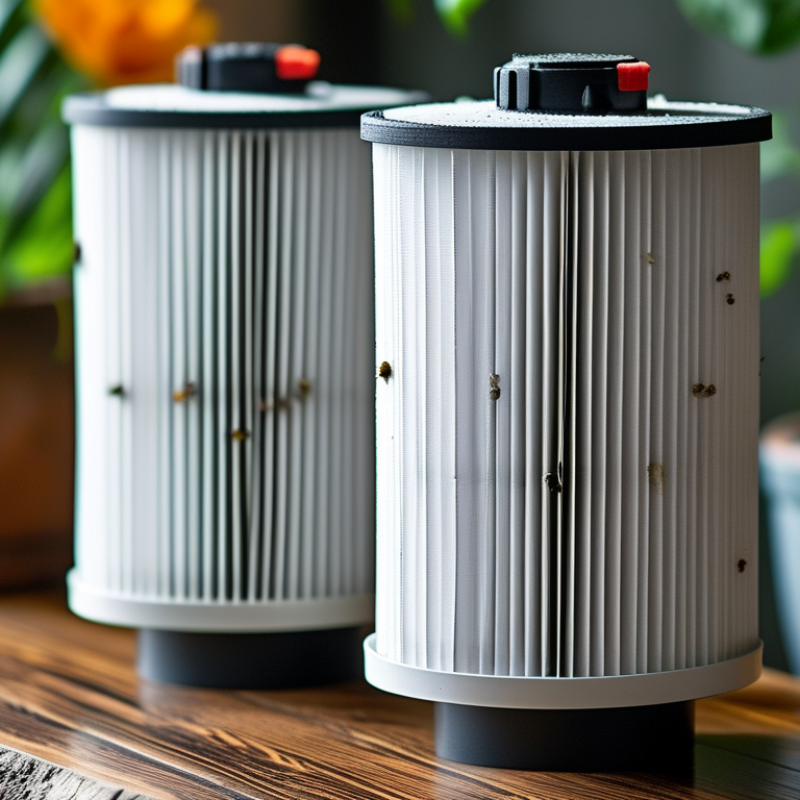
What are Carbon Filters: A Comprehensive Overview
Carbon filters are essential in various sectors, including air purification and water treatment. They utilize activated carbon, which has a high surface area, allowing it to adsorb pollutants effectively. Activated carbon can remove substances ranging from volatile organic compounds (VOCs) to chlorine, providing cleaner air and water.
According to the Environmental Protection Agency (EPA), carbon filters can eliminate up to 99% of certain contaminants. This high efficiency makes them a popular choice for both residential and industrial applications. However, not all carbon filters are created equal. The quality and type of activated carbon play significant roles in performance. Some filters fall short of expectations due to improper sizing or inadequate training of system operators.
The adoption of carbon filtration systems has increased significantly in recent years, reflecting growing concerns over health and environmental issues. Reports indicate a market growth rate of approximately 10% annually in this industry. Despite this growth, some users still report mixed results. These experiences emphasize the need for proper maintenance and periodic replacement of filters to ensure effectiveness. Users should also be mindful of the specific contaminants they aim to remove, as this can greatly affect filter performance.
The Composition of Carbon Filters and Their Types
Carbon filters are essential in various applications, including air and water purification. The primary component of carbon filters is activated carbon. This material is produced by heating carbon-rich substances in the absence of oxygen. The process creates a porous structure, significantly increasing the surface area for adsorption. Studies show that activated carbon can remove up to 90% of volatile organic compounds (VOCs) in indoor air, enhancing overall air quality.
Different types of carbon filters exist, each serving unique purposes. Granular activated carbon (GAC) filters are commonly used in water treatment. They are effective at reducing chlorine, sediment, and taste issues. Another type, carbon block filters, has a denser configuration. These filters can trap smaller particles and provide a higher level of filtration. According to the Environmental Protection Agency, using carbon filters can improve the safety of drinking water, acting as a barrier against contaminants.
**Tips:** Regular maintenance of carbon filters is vital. Replace them according to the guidelines to maintain efficacy. If you notice reduced performance, assess the filter's lifespan. Improper use or neglect can lead to potential contamination. Always consider the specific filtration needs before selecting a type.
How Carbon Filters Function: The Science Behind Filtration
Carbon filters are widely recognized for their ability to purify air and water. They use a process called adsorption, where impurities stick to the surface of the activated carbon. This material is filled with tiny pores, which increase its surface area, making it more effective. When air or water passes through, contaminants are trapped. This mechanism is crucial for removing odors, chemicals, and organic compounds.
The science behind filtration involves creating a high surface area. Activated carbon can absorb large amounts of pollutants. However, not all carbon filters perform the same. The efficacy depends on factors like flow rate and the type of contaminants. Some users may find that their filters require regular maintenance. This is often overlooked, leading to decreased effectiveness over time. Understanding the limitations of carbon filters is essential for optimal use.
What are Carbon Filters and How Do They Work?
| Aspect | Details |
| Definition | Carbon filters are a type of filtration system that uses activated carbon to remove impurities and contaminants from air and water. |
| Materials Used | Typically made from activated carbon, which is charcoal that has been treated to increase its absorbency. |
| Mechanism of Action | Works through a process called adsorption, where contaminants adhere to the surface of the carbon particles. |
| Applications | Used in air purifiers, water treatment systems, aquariums, and as part of HVAC systems. |
| Advantages | Effective in removing odors, chlorine, sediment, and volatile organic compounds (VOCs). |
| Limitations | Ineffective against certain types of contaminants like heavy metals and microorganisms without additional treatment. |
| Maintenance | Requires regular replacement of the carbon filter to maintain effectiveness. |
| Environmental Impact | Can help improve air and water quality, but disposal must be managed to prevent recontamination. |
Applications of Carbon Filters in Daily Life
Carbon filters play an essential role in our daily lives, particularly in air and water purification. They are made from activated carbon, which has a massive surface area to trap impurities effectively. According to the Environmental Protection Agency (EPA), using carbon filters can reduce volatile organic compounds (VOCs) by up to 90%. This efficiency underscores their significance in improving indoor air quality.
In homes, carbon filters are commonly used in kitchen and bathroom faucets to enhance drinking water. The World Health Organization highlights that clean drinking water can prevent many diseases, making carbon filters crucial for health. Many households now opt for these filters to eliminate chlorine and other contaminants, ensuring safe water for families. They are also found in air purifiers, significantly reducing odors and allergens like pollen and pet dander.
Tips: Regularly replace your carbon filters every 6 months for optimal performance. Keep in mind that not all filters are created equal; some may trap specific contaminants better than others.
Carbon filters also have industrial applications. Many manufacturers use them to treat wastewater, preventing environmental pollution. While effective, there's ongoing debate regarding their disposal and the environmental impact of spent filters. It's essential to consider both benefits and drawbacks.
Maintenance and Longevity of Carbon Filters
Carbon filters are essential for air and water purification. Their effectiveness hinges significantly on regular maintenance. Over time, these filters can become saturated with contaminants. This makes their ability to absorb further pollutants less efficient. Research indicates that carbon filters should ideally be replaced every 6 to 12 months. This varies based on usage and environmental conditions.
The longevity of a carbon filter can be extended with proper care. Regular cleaning can remove dust and debris that clog the filter pores. However, consumers often overlook this step. Without attention, the filter may not function properly. Some studies show that neglected filters can retain harmful substances, which can lead to health risks. Therefore, keeping track of filter lifespan is crucial.
When replacing a carbon filter, observe the signs of wear and saturation. An unexpected smell or reduced airflow indicates that it may be time for a change. Ultimately, understanding the maintenance needs is vital for ensuring that carbon filters perform effectively over their usable life. Proper attention to these details can make a real difference.





