What is Carbide Drill and Why is it Essential for Your Projects?
Carbide Drill technology has become a crucial element in various industries, from manufacturing to construction. Reports indicate that carbide drills enhance drilling precision and durability. For instance, a study highlighted that carbide tools can last up to 50% longer than standard high-speed steel drills. This efficiency translates directly to lower operational costs.
Using a carbide drill not only improves performance but also increases productivity. A recent market analysis revealed that businesses utilizing carbide drills reported a 20% increase in project completion rates. However, not all users maximize their potential. Many overlook proper maintenance, which can significantly impact tool longevity.
Understanding the capabilities of carbide drills is essential. While they offer superior performance, users must also evaluate their specific project needs. Not every task requires a carbide solution. A careful assessment of materials can lead to better choices and overall project success. This balance is vital in the quest for both quality and efficiency in modern drilling applications.
What is a Carbide Drill?
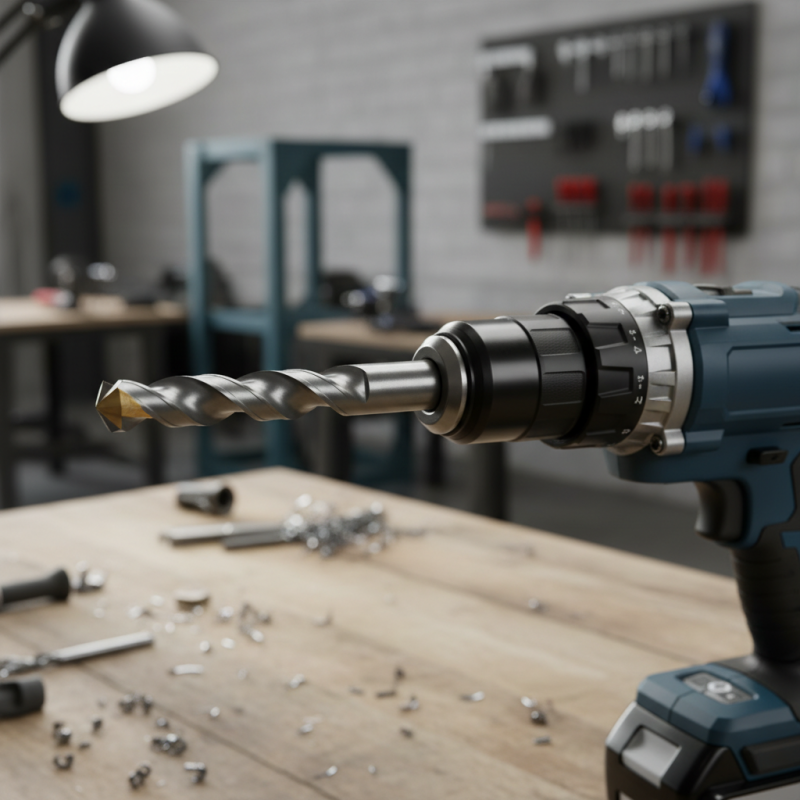
Carbide drills are essential tools in various industries. They are made from a tough tungsten carbide material, known for its durability. This makes them ideal for drilling hard materials like metal, ceramics, and composite materials. Carbide drills maintain their sharpness longer than steel options. As a result, they are often preferred for precision work.
Using a carbide drill can significantly improve project efficiency. The increased hardness allows for faster drilling speeds. However, there are a few considerations to keep in mind. Carbide drills can be more brittle than their steel counterparts. This means they can break if not handled properly. Proper technique is crucial. It's vital to choose the right drill bit for the specific material and application.
Maintenance is another area for reflection. While carbide drills are long-lasting, they require proper care. Regular cleaning and storage can extend their lifespan. Understanding when to sharpen or replace them is equally important. Over time, even the best drills lose effectiveness. Keeping an eye on wear can prevent costly delays in your projects.
The Material Composition of Carbide Drills
Carbide drills are essential tools in various industries. Their effectiveness largely comes from their unique material composition. These drills are primarily made from tungsten carbide, a compound known for its hardness and resistance to wear. Tungsten carbide is mixed with cobalt to enhance its durability. This combination creates a strong tool that can withstand high temperatures and pressures.
The hardness of carbide allows for precise drilling in harder materials, such as stainless steel or aluminum. Users often find that carbide drills outperform traditional steel options. However, they can be brittle, which means they require careful handling. If dropped or used improperly, they may shatter. This brittleness raises questions about their longevity under certain conditions.
Overall, understanding the material composition of carbide drills is vital for selecting the right tool for your project. While they offer impressive performance, attention to detail in usage is crucial. Consider the environment and workload when choosing carbide drills. The right choices can significantly impact project outcomes.
Advantages of Using Carbide Drills in Projects
Carbide drills offer significant advantages in various projects. Their durability makes them a preferred choice among professionals. Unlike standard steel drills, carbide drills can withstand higher temperatures. This capability results in less wear and tear, leading to extended tool life.
Using carbide drills enhances precision. They can produce cleaner holes with less friction. This precision is vital in industries where measurement accuracy is crucial. Moreover, these drills can handle hard materials, such as stainless steel and titanium. This versatility expands the range of projects you can tackle effectively.
While carbide drills boast many benefits, they require careful handling. They can be brittle, which increases the risk of breakage. Users must maintain proper pressure and alignment. This challenge can sometimes lead to frustration and the need for adjustments. Nevertheless, the overall performance justifies the learning curve associated with their use.
What is Carbide Drill and Why is it Essential for Your Projects? - Advantages of Using Carbide Drills in Projects
| Feature | Description | Benefits |
| Material | Carbide | High durability and heat resistance |
| Cutting Efficiency | Exceptional cutting performance | Faster drilling speeds, higher productivity |
| Versatility | Suitable for various materials | Can be used in metals, woods, and plastics |
| Precision | High tolerance levels | Cleaner holes and better finishing quality |
| Cost-Effectiveness | Longer lifespan than traditional drills | Reduced replacement frequency, saving costs |
Applications of Carbide Drills in Various Industries
Carbide drills are vital tools in many industries. Their hardness and durability make them ideal for machining different materials. According to a recent industry report, carbide drill usage has increased by over 25% in the aerospace and automotive sectors alone. These drills allow for precise drilling in tough materials, including titanium and high-strength steel.
In the construction sector, carbide drills are essential for creating accurate holes in concrete and masonry. The demand for carbide drilling bits has grown, as they can enhance productivity by reducing wear and tear. A study published by the International Journal of Machining Technology indicates that using carbide drills can improve drilling efficiency by up to 40%. This efficiency is particularly valuable in high-volume production environments.
The mining and oil industries also rely heavily on carbide drills for efficient rock drilling. Their ability to withstand extreme conditions makes them invaluable. Various reports highlight that Carbide Drill Bits can last nearly three times longer than traditional bits in high-stress applications. While their initial cost is higher, the long-term savings due to reduced tool changes can justify the investment. The integration of carbide technology into drilling solutions reflects a growing trend towards more sustainable practices.
Applications of Carbide Drills in Various Industries
How to Choose the Right Carbide Drill for Your Needs
Choosing the right carbide drill is crucial for achieving optimal results in your projects. Carbide drills are renowned for their durability. They maintain sharpness longer than standard steel drills. According to a study by the National Institute of Standards and Technology, carbide drills can outperform their counterparts by 30% in speed and precision.
When selecting a carbide drill, consider the material you'll be working with. Hard materials like stainless steel require a specific drill angle and coating. Coatings like titanium nitride enhance performance and reduce friction. Industry reports suggest that using the correct drill type can increase overall efficiency by as much as 25%.
Do not underestimate the importance of drill size. A miscalculated diameter can lead to project setbacks and increased costs. A 2021 survey indicated that 40% of professionals encountered issues due to incorrect drill sizes. Additionally, understanding your project demands will guide you in selecting the right flute design for effective chip removal. Focus on your specific needs and application, ensuring efficiency and quality in every hole you create.





