Cable Gland Selection Tips for Global Buyers to Consider
In the ever-evolving electrical connectivity landscape, Cable Glands play a crucial role. These components secure cable entries, ensuring reliability and safety in various applications. According to a 2022 report by MarketsandMarkets, the global cable gland market is expected to reach $2 billion by 2026, growing at a CAGR of 6.5%. This growth highlights the increasing importance of selecting the right cable gland for different environments.
Choosing the correct cable gland involves several factors, including environmental conditions and installation specifics. Industries like oil and gas, telecommunications, and manufacturing rely heavily on high-quality cable glands. A critical misstep can lead to equipment failure or safety hazards. Recent case studies show that improper selection led to increased maintenance costs for companies. Therefore, understanding the intricacies of cable glands is essential for ensuring reliability and compliance with industry standards.
Global buyers must assess their unique needs against the varied options available. Poor choices can lead to inefficiencies or safety risks. Insightful knowledge of materials, sealing methods, and certification standards is necessary. As the market expands, informed decisions about cable glands can pave the way for enhanced operational stability.
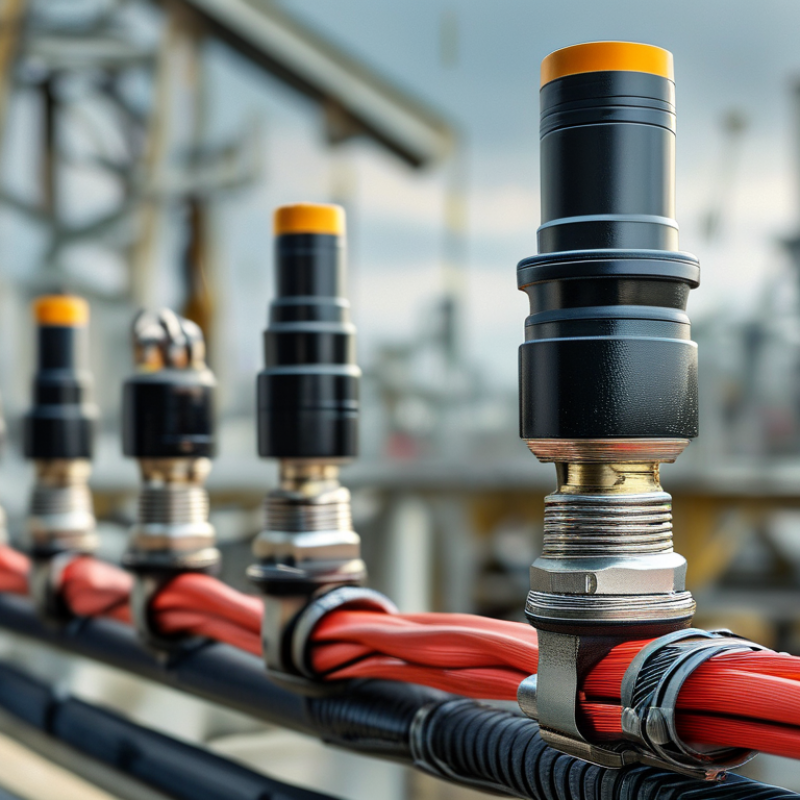
Considerations for Environmental Conditions and Cable Gland Ratings
When selecting cable glands, understanding environmental conditions is crucial. Factors like temperature, humidity, and exposure to corrosive substances can impact performance. According to a study by the International Electrotechnical Commission, approximately 30% of cable insulation failures are linked to inappropriate gland selection. This statistic emphasizes the need for careful consideration of environmental ratings.
Cable gland ratings often reflect their suitability for specific environments. For instance, IP ratings indicate protection against dust and water ingress. An IP68 rating signifies complete dust tightness and the ability to withstand immersion in water. Data from industry reports show that devices installed in harsher environments require higher ratings. However, many buyers overlook these details.
Additionally, the material of the gland plays a significant role. Nylon and brass are common choices, but they behave differently under stress. Studies highlight that brass can corrode in certain coastal environments, while nylon may become brittle in extreme temperatures. Selecting the wrong material can lead to premature failure. Ensuring compatibility with the installation environment is essential for long-term reliability.
Cable Gland Selection Tips for Global Buyers to Consider
| Environmental Condition | Recommended Cable Gland Type | Ingress Protection (IP) Rating | Material | Temperature Range |
| Indoor Dry | Standard Cable Gland | IP20 | Plastic | -20°C to 70°C |
| Outdoor Humid | Weatherproof Cable Gland | IP66 | Metal | -20°C to 50°C |
| Chemical Exposure | Chemical Resistant Cable Gland | IP65 | PVC | 0°C to 60°C |
| Extreme Cold | Cold-Resistant Cable Gland | IP54 | Polyurethane | -40°C to 60°C |
| High Temperature | High Temperature Cable Gland | IP68 | Silicone | -20°C to 150°C |
Key Materials Used in Cable Gland Manufacturing
When selecting cable glands, understanding the key materials used in their manufacturing is crucial for buyers worldwide. Typically, cable glands are made from materials like brass, nylon, and stainless steel. Each material has its own benefits and drawbacks. Brass is strong and resistant to corrosion, making it popular in industrial applications. However, its higher cost can be a concern for budget-conscious projects.
Nylon is a versatile option. It is lightweight and resistant to many chemicals. This makes it suitable for environments where exposure to harsh substances is common. Yet, nylon can have limitations in high-temperature settings, which might not be ideal for all applications. Statistics suggest that around 30% of buyers report issues with material choice directly impacting performance.
Stainless steel, particularly in harsh environments, offers excellent strength and enduring quality. It can withstand extreme temperatures and corrosion. However, the price point can be a barrier for some users. Industry reports indicate that improper material selection can lead to failures in up to 20% of installations, stressing the need for thorough research before final decisions are made. Understanding these materials can lead to more effective and reliable applications in various sectors.
Understanding Cable Sizes and Types for Proper Fit
Selecting the right cable gland begins with understanding cable sizes and types. Whether you are dealing with flexible or rigid cables, the correct fit is crucial. Flexible cables are often used for portable devices, while rigid cables are common in fixed installations. Each has different diameters and insulation types that impact fit. Measurements should be precise; a loose gland can lead to moisture ingress, while a tight fit may damage the cable.
Cables come in various materials, including PVC, rubber, and thermoplastic. Each material has unique properties, affecting its performance in different environments. Consider factors such as temperature and exposure to chemicals. Some cables may expand or contract under temperature changes. This is where cable glands with adjustable features can provide a better fit. Choosing the wrong cable size or type often leads to installation errors. Reflecting on past selections can help avoid future mistakes.
Careful consideration of these aspects will aid in achieving a reliable installation. Engaging with experts may provide insights into the correct specifications needed. Cable selection should not be rushed, as each detail matters in the long run. A thoughtful approach will ensure you make the right choice every time.
Cable Gland Selection Guide: Understanding Cable Sizes and Types
This bar chart illustrates various cable sizes and their corresponding diameters. Understanding these dimensions is crucial for selecting the appropriate cable gland to ensure a proper fit and function.
Factors Influencing IP and NEMA Ratings in Cable Glands
When selecting cable glands, understanding their Ingress Protection (IP) and National Electrical Manufacturers Association (NEMA) ratings is crucial. These ratings indicate how well a cable gland can protect against environmental factors. According to recent industry reports, over 80% of electrical failures are related to improper sealing caused by inadequate gland choices. Therefore, buyers must evaluate these factors closely.
Material choice significantly influences the IP and NEMA ratings of a cable gland. For instance, materials like polyamide or brass may yield different protection levels against dust and water. When assessing these options, consider ambient conditions. High humidity or extreme temperatures can impact performance. Ensure the selected gland aligns with the installation environment for optimal results.
Tips: Always cross-check the gland specifications with your project’s requirements. Research past case studies where specified ratings failed due to misinformation. Additionally, remember that real-world conditions can differ from rated performance. This discrepancy can lead to unexpected challenges and financial losses. A thorough understanding of these ratings will aid in selecting the most suitable cable gland for your application.
Regulatory Standards and Certifications for Global Buyers
When selecting cable glands, regulatory standards and certifications play a crucial role for global buyers. Compliance with industry standards such as IEC, UL, and ATEX ensures that cable glands perform reliably under various environmental conditions. In 2021, it was reported that nearly 25% of electrical failures were linked to improper sealing and exposure to contaminants. This illustrates the importance of verifying the compliance of cable glands with international norms.
It's essential to consider the certifications that a cable gland possesses. For instance, the IP (Ingress Protection) rating indicates the gland's ability to protect against dust and water. A product with an IP66 rating provides high-level protection, and it’s vital for outdoor applications. Additionally, materials used in cable glands often require certifications like RoHS to confirm that they are free from hazardous substances. According to industry analyses, over 30% of product returns stem from non-compliance with these standards, highlighting that decisions based solely on cost can lead to regret.
Moreover, regional variations in regulations can complicate the selection process. Buyers must navigate differing requirements across markets, which may not always align. Investing in a compliance assessment can be beneficial but adds to the cost and time. There’s an increasing need for awareness about these intricacies, as overlooking them can compromise safety and lead to significant financial impacts in the long run.





