How to Buy 3 Inch Channel for Your Project Needs?
When embarking on a project that requires structural support, the choice of materials is crucial. Among the options available, the 3 Inch Channel stands out for its versatility and strength. This channel type is used in various applications, from construction to manufacturing. Choosing the right 3 Inch Channel can enhance both the performance and durability of your project.
Understanding the specifications of a 3 Inch Channel is essential. It comes in different thicknesses and materials, influencing its load-bearing capabilities. Each project may present unique challenges, making it important to assess your specific needs carefully. Whether you prioritize weight, corrosion resistance, or aesthetics, the correct channel can make a significant difference.
It's easy to overlook details while planning your purchase. However, considering factors such as finish and compatibility is critical. Take time to reflect on your choices, and consult professionals if needed. Being informed empowers you to make better decisions. Choosing the right 3 Inch Channel is not just about selection; it’s about understanding the impact of your decisions on your project’s success.
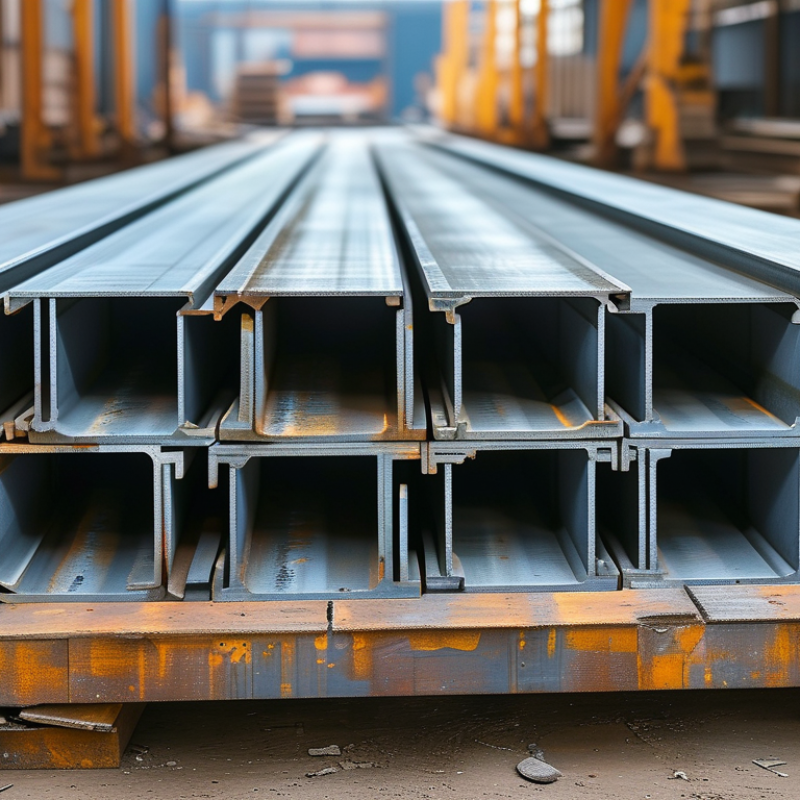
Understanding the Basics of 3 Inch Channels in Construction
When exploring the basics of 3-inch channels in construction, it's essential to understand their structural significance. These channels, commonly made from steel or aluminum, offer impressive strength and durability. According to the American Institute of Steel Construction (AISC), channels are often used in manufacturing and construction for their mechanical properties. They can support significant loads, making them ideal for various applications.
In addition to their load-bearing capacities, 3-inch channels exhibit versatility. They can be employed in frames, supports, and even as braces. A study by the National Institute of Standards and Technology (NIST) indicates that channels enhance structural integrity, especially in seismic zones. However, precision is crucial. Even small manufacturing discrepancies can affect load distribution. It's important to source material from reliable suppliers to avoid potential structural failures.
Understanding the weight and thickness of 3-inch channels is also vital. These dimensions impact their overall performance. For example, the weight of a standard 3-inch channel can range from 3 to 10 pounds per foot, depending on the thickness. Too heavy or too thin a selection can lead to inefficiencies in a project. This underlines the need for careful selection based on the project's specific requirements.
Evaluating Project Requirements for 3 Inch Channel Use
When considering the use of a 3-inch channel for your project, evaluate your specific requirements carefully. Understand the load and stress your project will face. Are you building a small structure or supporting heavy equipment? Knowing these details will guide your material choice. Dimensions are crucial, but the channel's thickness and weight capacity are just as important.
Think about the environment as well. Will it be exposed to weather conditions? Outdoor projects often need greater durability. Also, reflect on assembly and connection methods. Do you have the tools and skills for welding, or will you use bolts? Each method has its strengths and weaknesses, requiring thought and planning.
Finally, consider the availability of materials. Some regions may have limited options, which can influence your project timeline. Research suppliers and stock levels. It's wise to plan for potential delays. Gathering sufficient information will lead to improved decision-making, reducing the risk of errors or project setbacks.
Evaluation of 3 Inch Channel Usage for Project Needs
Finding Reliable Suppliers for 3 Inch Channel Materials
When sourcing materials for projects, finding reliable suppliers for 3 inch channels is crucial. Channel steel, pivotal in construction and manufacturing, requires attention to supplier credibility. Industry reports suggest that over 70% of project delays stem from material procurement issues. Thus, selecting dependable suppliers can greatly impact your timeline.
Begin by researching suppliers’ reputations. Online reviews and testimonials provide insights into past performance. Additionally, some industry reports indicate that suppliers with over 10 years in business ensure better quality control. Consider visiting their facilities if possible. This hands-on approach reveals their operational standards and material handling processes.
Engage in conversations with potential suppliers. Inquire about their sourcing methods and material certifications. Transparency is key. According to market trends, suppliers lacking clear documentation may compromise on quality. Aim for those with established quality assurance systems. This ultimately contributes to the project’s success. Reflect on the possible risks with inadequate suppliers, as poor material can lead to safety concerns and increased costs.
Comparing Pricing and Quality of 3 Inch Channels
When considering 3 inch channels for your project, pricing and quality are paramount. You may find a range of options in the market. Prices can vary significantly based on the material used and the manufacturing process. Steel channels might be more costly but offer superior strength. Aluminum channels are lighter and more resistant to corrosion, often coming at a competitive price. Always check if the cost aligns with your project’s budget.
Quality is another critical aspect. Not all channels are created equal. Look for channels that meet industry standards. Check certifications and ask suppliers for quality assurance documentation. A strong channel will provide better support and durability for your project. However, sometimes, cheaper options may lure you in—hastily made channels could lead to complications later.
Comparing local suppliers can be beneficial too. Visit stores to inspect the materials yourself. This hands-on evaluation may reveal flaws invisible in online listings. Don’t hesitate to ask questions about the sourcing and manufacturing of the channels. Quality control processes can greatly impact the final product. Rushing this decision could lead to a mismatch between your expectations and reality. Take your time to weigh your choices.
Tips for Proper Installation of 3 Inch Channels in Projects
When working with 3-inch channels, proper installation is vital for project success. Misalignment is a frequent issue. Studies show that up to 30% of installation failures arise from improper alignment. Ensuring that channels are level will minimize stress points. Use a laser level for accuracy. This simple tool can dramatically increase alignment precision.
Moreover, securing channels correctly is key. Fasteners must match the material and design. According to industry reports, using inappropriate screws can reduce strength by nearly 40%. Always choose fasteners recommended for the channel type. Additionally, consider environmental factors. Corrosion is a major concern for longevity. Coatings can enhance durability. A protective layer can extend service life by 50%.
Reflect on your installation process. Are you allowing for thermal expansion? This oversight is common, especially in varying temperatures. Channels need space to expand. Consulting with structural engineers can provide insights into these challenges. Engaging experts can lead to better project outcomes. Balancing technical knowledge with practical experience creates a more robust installation approach.
How to Buy 3 Inch Channel for Your Project Needs? - Tips for Proper Installation of 3 Inch Channels in Projects
| Project Type | Material | Length (ft) | Weight (lbs) | Installation Tips |
| Construction | Steel | 20 | 45 | Ensure proper alignment before welding |
| Industrial Racking | Aluminum | 15 | 30 | Use bolt connectors for better stability |
| Electrical Projects | Galvanized Steel | 10 | 22 | Install with insulation supports to prevent electrical contact |
| HVAC | Mild Steel | 25 | 50 | Secure channels with hangers every few feet |
| Support Structures | Stainless Steel | 30 | 66 | Consider weight distribution for enhanced safety |





