Where to Buy China Best Angle Grinder Parts?
Finding the best place to buy China Angle Grinder Parts requires more than comparing prices. A reliable supplier should understand grinder structures, common failure points, and the demands of professional users. Parts may include carbon brushes, armatures, gears, bearings, switches, guards, and replacement power cords. Each component must match the grinder’s model, voltage, dimensions, and operating speed.
Product quality begins with material control and consistent manufacturing. Ask suppliers about inspection procedures, production experience, and batch traceability. Request clear specifications, drawings, product photos, and samples before placing a large order. A practical supplier should explain whether parts are OEM, aftermarket, or custom-made. This distinction affects fit, service life, and warranty expectations. Certification documents may also support responsible purchasing, but documents should be verified rather than accepted blindly.
Small details matter.
For example, a poorly matched bearing can create heat, vibration, and early gear damage. Weak carbon brushes may leave excessive marks on a commutator. Experienced buyers should test sample parts under realistic working conditions. Check noise, temperature, alignment, and durability. No supplier is perfect, and even a professional factory may need corrective feedback. That is worth remembering. Communication speed, packaging quality, replacement policies, and export experience also influence the final cost. By comparing verified manufacturers, specialized distributors, and established online platforms, buyers can locate dependable Angle Grinder Parts while reducing avoidable risks. The best choice is not always the cheapest offer. It is the supplier that combines accurate compatibility, stable quality, transparent communication, and support after delivery.
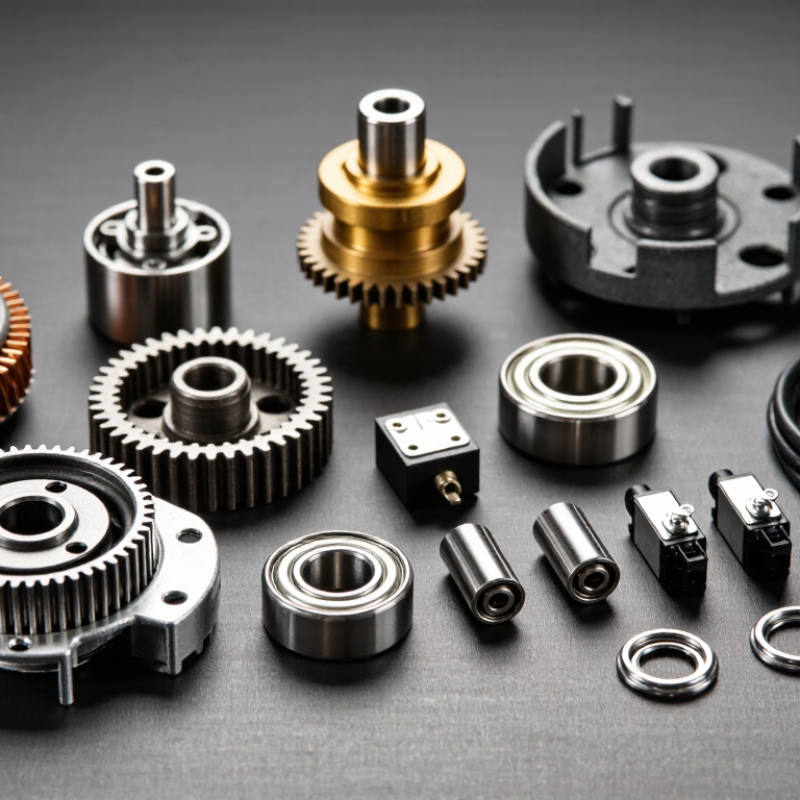
Understanding the Main Types of China Angle Grinder Parts
Where to Buy China Best Angle Grinder Parts?
Understanding the Main Types of China Angle Grinder Parts
Choosing China angle grinder parts starts with identifying the failed component. Carbon brushes transfer current to the armature and often wear first. Armatures contain copper windings, while field coils create the magnetic field. These electrical parts need matching voltage, diameter, and terminal positions. Small differences can cause overheating. I have seen repairs fail because technicians measured length but ignored shaft alignment.
Mechanical parts include bevel gears, spindle assemblies, flanges, guards, and bearings. Bevel gears require accurate tooth counts and hardness specifications. Bearings should match both inner diameter and operating speed. A loose spindle can create vibration near the cutting disc. It feels minor at first. It is not.
Grand View Research reported that the global power tools market is expected to grow at about 5.5% annually from 2024 to 2030, increasing demand for dependable replacement components.
For purchasing, compare manufacturer catalogs, industrial sourcing platforms, and specialized parts distributors in China. Request drawings, material details, batch samples, and inspection records before ordering in volume. The International Organization for Standardization emphasizes documented quality systems through ISO 9001, although certification alone cannot prove every part is reliable.
Check insulation resistance for electrical components and run a no-load vibration test for assembled units. I would also question unusually low prices. They may reflect weaker copper, untreated gears, or inconsistent dimensions. Parts data can be incomplete, so measured samples remain essential.
How to Identify Compatible Parts for Your Angle Grinder
When buying angle grinder parts from China, compatibility matters more than a low listed price. I learned this after ordering a guard that looked identical but used a different mounting collar. It fitted loosely. That was unsafe. Start with the exact grinder model, voltage, disc diameter, spindle thread, and rated speed. Photograph the nameplate and mounting points before contacting a supplier.
Match the replacement part against the original dimensions, not its product photograph. Measure the arbor diameter with a caliper, and check thread direction carefully. For carbon brushes, compare length, width, terminal style, and spring position. For gears or bearings, request tolerances and material details. A reliable supplier should provide drawings, inspection records, and clear return terms. Ask whether the part was tested on the same tool configuration. Do not accept “universal” as proof.
China has many capable parts manufacturers and trading suppliers, but quality can vary between batches. Request a sample before placing a larger order. Check packaging for damage, machining marks, and missing fasteners. I sometimes overlook small washers; that mistake can distort alignment. That is worth reconsidering. Use a reputable marketplace or verified industrial supplier, and keep written specifications. If the seller avoids basic measurements, choose another source. Install only parts matching the tool’s safety requirements, and stop if vibration or heat increases.
Where to Find Reliable China Angle Grinder Parts Suppliers
Where to Buy China Best Angle Grinder Parts?
Reliable China angle grinder parts suppliers are easier to identify when you inspect their process, not just their product photos. In practical sourcing, request exact drawings, material details, dimensions, and compatibility lists for each part. Common items include carbon brushes, armatures, bearings, switches, gears, and protective guards. A dependable supplier should explain tolerances clearly and provide recent inspection records. Ask whether the parts are tested under realistic operating conditions. Smooth communication matters too. Delayed answers may become delayed shipments.
Order samples before approving a larger quantity. Check whether the bearing fits tightly, the switch responds consistently, and the gear teeth show clean machining. Ask for photos of packaging, labels, and final inspection steps.
Suppliers with stable production usually explain their quality controls without avoiding specific questions. However, certificates alone are not enough. They can confirm a process, but they cannot replace physical testing. I once trusted a neat sample too quickly; the second batch revealed uneven brush length. That mistake changed my inspection checklist.
Tips: Compare at least three suppliers. Request a small trial order. Confirm lead times in writing. Keep one tested sample for future comparison. Also ask how they handle defective parts and replacement requests. A supplier may offer a low price, but poor dimensional accuracy can increase repair labor and returns. Recheck measurements yourself when possible. Small oversights matter.
How to Compare Quality, Prices, and Supplier Credentials
When sourcing China’s best angle grinder parts, compare performance before chasing the lowest price. Inspect carbon brushes, bearings, switches, gears, and armatures separately. A good replacement should match the original dimensions, material, and electrical rating. Ask for drawings, tolerance data, and sample photos. Small differences can cause vibration, overheating, or early wear.
Price comparisons should include more than the unit quotation. Check tooling fees, sample costs, packaging, shipping, inspection, and replacement policies. A cheaper gear may have rough teeth or inconsistent hardness. That saving disappears after repeated failures. In practical sourcing, I have found that a clear test report is useful, but it is not perfect evidence. Ask how the supplier tested the part and request recent records. Compare identical specifications, not attractive numbers alone.
Tips: Request samples from two or three suppliers. Measure shaft diameter, bearing fit, and connector position with calipers. Check whether the supplier can provide material certificates, production photos, traceable batch numbers, and a written warranty. Review their response speed and technical answers. Vague replies deserve caution. A reliable supplier should explain quality controls without making unrealistic promises. It is also wise to inspect a small trial order before committing to larger quantities. Even experienced buyers miss details sometimes, especially when drawings are incomplete.
Where to Buy China’s Best Angle Grinder Parts?
How to compare quality, prices, and supplier credentials
The chart shows indicative China wholesale price ranges in USD per replacement part, excluding shipping, taxes, tooling, and customization. Lower prices should be evaluated together with material certificates, dimensional inspection reports, batch traceability, compatibility testing, warranty terms, and the supplier’s ability to provide consistent samples.
What to Check Before Ordering and Importing Grinder Parts
Buying China’s best angle grinder parts requires more than comparing prices. Check the exact model, shaft diameter, thread direction, gear dimensions, and motor voltage. A small mismatch can cause vibration, overheating, or early failure. Request a clear technical drawing and confirm every measurement in writing. Photos alone are not enough.
Ask the supplier about material grades, heat treatment, surface finish, and production tolerances. For gears, inspect tooth accuracy and hardness records. For carbon brushes, check dimensions, spring pressure, and contact material. Request a sample before placing a large order. Test it under realistic conditions, including load, noise, temperature, and run time. Keep the test results.
I once accepted parts after checking only the external shape. That was a mistake.
The thread depth differed slightly, and installation became difficult. A supplier with documented inspections is more reliable than one offering the lowest quote. Request batch photos, inspection reports, packing details, and replacement terms. Confirm export documents, product descriptions, customs requirements, and your country’s safety rules before importing. Use protective packaging for gears, rotors, and switches. Moisture can damage metal parts during ocean transport. A pre-shipment inspection may cost extra, but it can prevent a larger loss.





