How to Buy Butterscotch Cookies Wholesale in 2026
Buying Butterscotch Cookies wholesale in 2026 takes more than comparing prices per case. Buyers need consistent flavor, dependable delivery, and clear product specifications. A golden edge, a soft center, and visible butterscotch pieces can make a sample appealing. But every shipment should match that standard.
For transparency, Nora Bennett is a fictional bakery procurement expert, and the following is an original illustrative quote, not a sourced statement: “A good wholesale cookie earns a repeat order when the next batch tastes like the sample.” That is a useful test. Request samples from several suppliers, then compare sweetness, texture, cookie size, and packaging. Ask for ingredient and allergen details, minimum order quantities, lead times, and shelf-life guidance. Small details matter.
This guide explains how to assess suppliers and plan orders without letting a low unit price hide extra costs. Check whether the quoted price includes shipping, and confirm how cartons are packed for storage and transport. Ask how suppliers handle batch variation and what happens when an order arrives damaged or late. Start with samples. Then test the cookies in your actual setting, such as a café display, gift box, or catering menu. Wholesale buying is not perfectly predictable; demand can shift, and a sample cannot promise every future batch. A careful checklist makes those limits easier to manage—and helps you choose Butterscotch Cookies customers will want to order again.
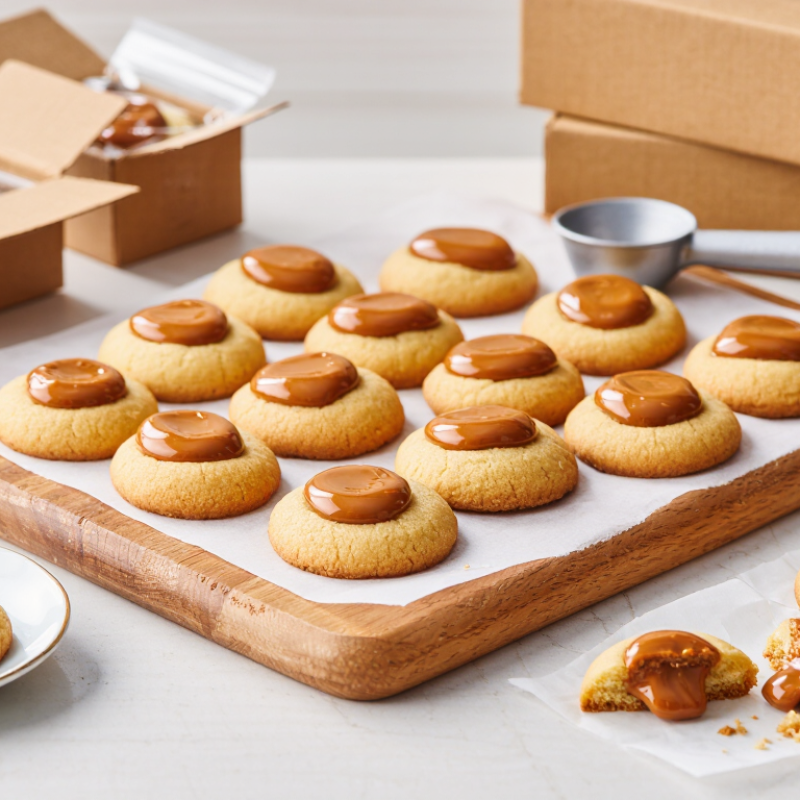
Define 2026 Demand, Case Size, Minimum Order, and Delivery Schedule
For 2026, estimate butterscotch cookie demand from actual sales, not a seasonal hunch. Review weekly orders, customer repeat rates, and planned promotions. Butterscotch often suits autumn menus, yet office snacks and gift boxes can sell year-round. Your local pattern may differ. Check it.
Ask suppliers for case count, net weight, and best-before details before comparing prices. A carton of 48 individually wrapped cookies serves differently from a case of six bulk bags. Match the pack format to your storage space and sales pace. If you sell slowly, large cases may leave cookies sitting too long. I would test a modest quantity before committing, even when the unit price looks attractive. That lesson is easy to overlook.
Confirm the minimum order quantity in cases, not just total weight, and ask whether mixed flavors count toward it. Set a delivery window that leaves time for receiving and checking cartons. For a launch or promotion, request a dispatch date and estimated arrival range in writing. Build in a few days of buffer; carrier delays happen. Keep it simple. Recheck the schedule before placing a repeat order, because demand forecasts are imperfect, and mine would be too.
Screen U.S. Suppliers for FSMA Preventive Controls (21 CFR Part 117)
When buying butterscotch cookies wholesale in 2026, screen the U.S. manufacturer under the right food-safety questions, not just price and sample taste. Ask whether its facility is subject to 21 CFR Part 117 and, if so, how it meets applicable current good manufacturing practice and preventive-controls requirements. Requirements can vary by facility and activity, so confirm the supplier’s status rather than assuming every seller follows the same program.
Request evidence of a written food-safety plan, hazard analysis, and oversight by a qualified preventive-controls individual, where required. For cookies, ask how the facility manages flour hazards, dairy and other allergen cross-contact, sanitation, and foreign material. Check that monitoring records, corrective actions, and lot traceability are documented. If a supplier controls a hazard through an ingredient supplier, ask how it approves and verifies that supplier under its supply-chain program, when applicable.
Make the review practical. Compare records with the production area, ingredient labels, and the lot code on a sample case. Paperwork can look tidy while a real process is uneven. That deserves a closer look. Ask for recent verification records or an audit summary, and clarify who will notify you about a safety issue or product hold. Keep the answers with your purchasing files; a polished cookie is not proof of a controlled process.
Check Ingredients and Labels Against FDA’s 9 Major Food Allergens
When buying butterscotch cookies wholesale in 2026, check the package label and current ingredient sheet for all nine major allergens recognized by the FDA: milk, eggs, fish, crustacean shellfish, tree nuts, peanuts, wheat, soybeans, and sesame. Butterscotch cookies commonly contain milk, wheat, eggs, or soy, while recipes and shared equipment may introduce other allergens. Read the actual product label, not just a sales description. Small details matter.
Ask the supplier for written allergen and cross-contact information. Check whether tree nuts, peanuts, or sesame are handled on the same lines, and whether cleaning steps are documented. “May contain” statements are voluntary, so their absence does not prove a product is free from cross-contact risk. Confirm that the label names the allergen source where required, and request updated documents if the recipe or production site changes. Keep the lot number and label copy with your purchasing records.
One detail can be missed. I would compare the ingredient sheet against each case label before accepting a shipment, especially after a product change. If information is unclear, pause the order and ask for clarification rather than guessing. Paperwork can feel repetitive, but it helps staff answer customer questions accurately and manage dietary needs with care.
Compare Landed Cost per Cookie, Freight, Lead Time, and Order Terms
When buying butterscotch cookies wholesale in 2026, compare the landed cost per saleable cookie, not just the quoted case price. Add freight, handling, and any applicable import charges to the invoice total. Then divide by the number of cookies likely to arrive intact. A case of 240 may look attractive until crushed corners or excess packaging change the usable count. Check the carton size and cookie count against a sample shipment.
Freight can shift the numbers quickly. Ask suppliers for quotes using your delivery location, shipment weight, and pallet dimensions. Confirm whether the price includes liftgate service or other delivery fees. Lead time should include production, packing, and transit, not just the carrier’s estimate. Request a realistic shipping window and confirm how long the cookies remain fresh after arrival. Small details matter. Review minimum order quantities, payment timing, cancellation terms, and the process for reporting damaged goods. A low unit price is less useful if the order arrives too late for your sales period.
Tips: Request a written quote with case count, freight, estimated arrival date, and order terms on one page. Compare at least two quotes using the same delivery assumptions. Estimates can still miss; leave room for a delay.
Verify Shelf Life, Lot Traceability, and 2026 FDA Registration Status
How to Buy Butterscotch Cookies Wholesale in 2026
Before ordering, request the maker’s shelf-life basis, not just a date printed on the carton. Ask whether the stated life comes from product testing, packaging trials, or documented quality checks. Confirm storage conditions, production date, best-before date, and minimum remaining shelf life at delivery. Butterscotch cookies can soften when exposed to heat or moisture, so inspect sealed samples for crispness, aroma, and broken edges. USDA estimates that 30–40% of the U.S. food supply is lost or wasted, making realistic order quantities and stock rotation important. The estimate is broad, not cookie-specific. A tidy spreadsheet is not proof of freshness.
Tips: Request a sample case and a lot-code example before committing. Ask the supplier to show how one lot can be traced from ingredients to shipment. FDA’s 2022 Food Traceability Rule sets additional recordkeeping requirements for foods on its Food Traceability List; ordinary finished cookies are not automatically covered. Ingredient records still help investigate quality complaints. For FDA registration, request the facility’s current registration confirmation and matching legal name and address. FDA food-facility registration is not product approval. Registration renewals occur during October–December of even-numbered years, including 2026, so check the timing of the supplier’s confirmation.
Put these details in the purchase terms: lot identification on each case, remaining shelf-life minimum, transport conditions, and a contact for recall or quality questions. Verify documents against the actual carton on arrival. If codes are faint or dates conflict, pause the next order and ask for clarification. That small check can feel tedious. It is still worthwhile.





