What Is a Button Cell Battery and What Types Are Available?
A Button Cell Battery is a small, round power source found in watches, hearing aids, medical devices, calculators, and compact sensors. Its flat shape resembles a coin, but its chemistry determines performance, safety, and service life. “There is no perfect battery,” battery researcher Dr. Jeff Dahn has often emphasized. That warning matters here. A cell that lasts years in a watch may perform poorly inside a camera or glucose monitor.
Button cells are available in several chemistries. Silver-oxide cells provide stable voltage and reliable capacity for watches and precision instruments. Alkaline button cells usually cost less, but their voltage can decline sooner. Lithium coin cells, such as CR2032 types, offer high energy density and strong shelf life for key fobs, computers, and backup memory. Zinc-air cells use oxygen from the surrounding air, making them common in hearing aids. Rechargeable options include lithium-ion and nickel-metal hydride button cells, although their voltage and charging requirements differ.
The label alone is not enough. Check the size code, nominal voltage, capacity, discharge limits, and rechargeability. A CR2032 and an LR2032 may fit the same compartment, yet they are not chemically identical. That mistake is easy to make. Real-world experience also reveals an overlooked detail: cold temperatures can reduce output, while loose contacts can mimic a dead battery. This guide examines each Button Cell Battery type, its typical applications, practical limitations, and selection considerations. Some classifications overlap. Product markings can also vary by manufacturer, so careful verification remains necessary.
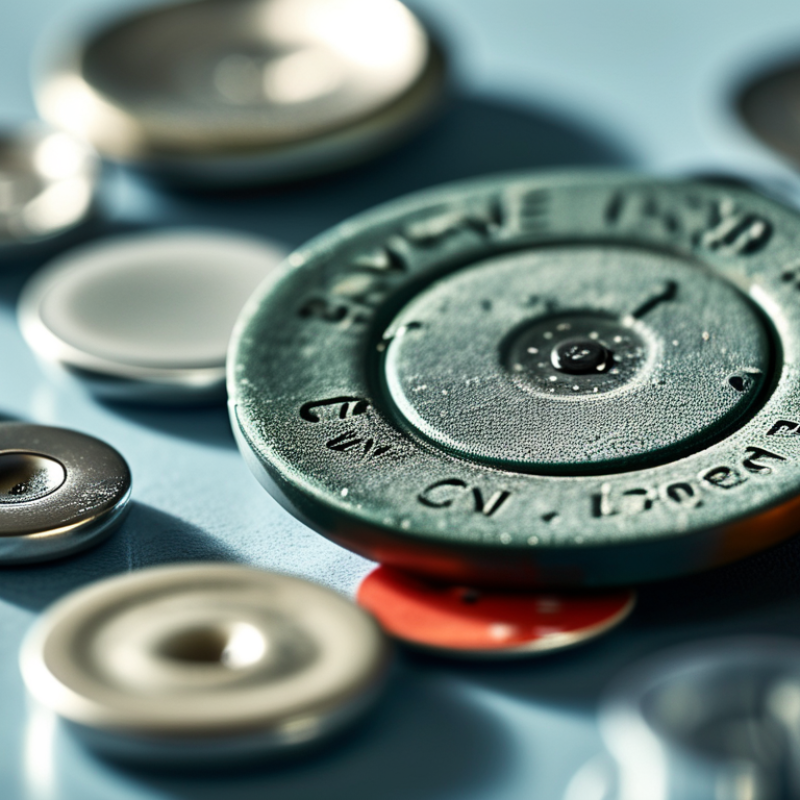
What Is a Button Cell Battery?
A button cell battery is a small, round electrochemical power source with a flat, coin-like shape. It usually fits inside watches, calculators, hearing devices, medical instruments, and compact measuring tools. Its metal case holds the positive and negative electrodes, a separator, and an electrolyte. When the circuit closes, chemical reactions move electrons through the device.
Size alone does not identify a battery. A cell with the same diameter may use lithium, alkaline, silver oxide, or zinc-air chemistry. These types can differ in voltage, capacity, shelf life, and discharge behavior. Rechargeable button cells also exist, but they require compatible charging controls. Check the equipment manual and the markings on the old cell before replacement. Small details matter.
In practical servicing, polarity is an easy point to miss. The raised face is often positive, but not every design follows familiar assumptions. A reversed cell can stop a device or damage sensitive electronics. It should fit without force. Never mix different chemistries or partly used cells in one compartment. Keep loose cells away from metal objects, moisture, and children, because accidental contact can create heat. Battery performance also changes with temperature. Cold conditions may reduce available power, while heat can shorten storage life. Some information labels are unclear, and that deserves caution rather than guesswork. Dispose of used cells through an approved local collection system.
What Is a Button Cell Battery and What Types Are Available?
Button cell batteries are small, round batteries commonly used in watches, calculators, hearing devices, sensors, and compact electronic equipment. Their chemistry determines their nominal voltage, rechargeability, and typical application.
How Button Cell Batteries Work
A button cell battery is a small electrochemical power source with a flat, disc-shaped design. Its metal casing holds a positive electrode, negative electrode, separator, and electrolyte. The casing also helps maintain pressure inside the cell. Small, but carefully engineered.
When a device operates, chemical reactions release electrons at the negative electrode. These electrons travel through the circuit and power the device. Ions move internally through the electrolyte to balance the reaction. The separator prevents direct contact between the electrodes, which would cause a short circuit. A typical 3-volt lithium coin cell may provide about 200–240 milliampere-hours, although actual capacity depends on discharge current, temperature, and storage age.
Different chemistries behave differently. Alkaline and silver-oxide cells commonly deliver around 1.5 volts, while lithium button cells usually deliver about 3 volts. The International Electrotechnical Commission’s IEC 60086-3:2021 standard addresses dimensions, safety, and performance requirements for watch batteries. A 2024 market analysis by Grand View Research estimated continued growth in the global button cell battery market, driven by medical devices, sensors, and compact electronics. Such forecasts are useful, but not perfect; reporting methods and product categories can vary. In practical testing, a cell that looks full may still fail under a sudden load. That detail is easy to miss.
Main Types of Button Cell Batteries
A button cell battery is a small, round power source used in watches, medical instruments, calculators, and compact sensors. Its flat shape resembles a coin, but its chemistry determines its voltage, shelf life, and best application. The International Electrotechnical Commission’s IEC 60086-3 standard defines key dimensions and performance requirements for watch batteries.
Size matters. A poor fit can cause unstable contact or equipment damage.
Silver-oxide cells usually provide stable voltage near 1.55 volts. They suit watches and precision instruments. Alkaline button cells cost less, but their voltage declines more quickly during use. Lithium button cells commonly deliver about 3 volts and perform well in memory backups, meters, and small electronic devices. Zinc-air cells use oxygen from the surrounding air. They offer high energy density, although opening the seal starts their working life. That detail is easy to miss.
A 2024 market analysis by Grand View Research estimates the global button cell market will expand at roughly 4.8% annually through 2030. However, market estimates differ because analysts classify coin cells and button cells differently. I have found that chemistry labels alone can mislead buyers. Check the equipment manual, voltage, dimensions, discharge demand, and operating temperature. IEC test methods improve comparison, but real performance still depends on storage age and device design.
Key Differences Between Battery Chemistries
What Is a Button Cell Battery and What Types Are Available?
Key Differences Between Battery Chemistries
A button cell is a compact battery with a round, shallow shape. It powers watches, medical sensors, calculators, and small backup circuits. Chemistry matters more than size. Alkaline cells are inexpensive and suit low-drain devices. Silver-oxide cells deliver steadier voltage, often around 1.55 volts, making them useful for precision instruments. Zinc-air cells can offer high specific energy, but they need air exposure after activation. Their performance drops when the seal dries.
Lithium button cells usually provide about 3 volts and perform well across wider temperature ranges. Primary lithium cells are not rechargeable. Rechargeable lithium-ion and nickel-metal hydride cells need compatible charging controls. IEC 60086-1 defines key terminology and testing requirements for primary batteries, helping engineers compare declared performance. However, laboratory capacity is not household reality. Cold storage, pulse loads, and aging can change results. BloombergNEF’s 2024 Battery Price Survey reported an average lithium-ion pack price of 115 dollars per kilowatt-hour. That figure describes larger rechargeable packs, not button-cell retail economics. The comparison is useful, but imperfect.
Tips: Match the chemistry and voltage printed on the device. Check the datasheet’s discharge curve, not capacity alone. A cell rated for 240 milliampere-hours may perform poorly under repeated pulse loads. Store unused cells in dry conditions. Avoid mixing old and new batteries, even when their labels look identical. For medical or safety-critical equipment, follow the equipment maker’s approved specification and replace cells on schedule. Tiny cells still deserve careful handling.
Choosing and Handling the Right Button Cell Battery
What Is a Button Cell Battery and What Types Are Available?
Choosing and handling the right button cell battery requires more than matching its size. A button cell is a small, round battery used in watches, calculators, medical devices, toys, and sensors. Common chemistries include alkaline, silver oxide, lithium, and zinc-air. Their voltage, capacity, leakage resistance, and discharge behavior differ. Silver oxide cells usually provide stable voltage for precision devices. Lithium cells offer higher energy density and longer storage life. Zinc-air cells require air access and are often sealed with a pull tab.
Check the device label carefully. Match the exact code, diameter, thickness, chemistry, and polarity. A similar-looking cell may still be unsuitable. The IEC 60086 battery standard provides standardized designations and performance requirements, which helps reduce selection errors. Grand View Research’s 2024 button cell battery market assessment projects continued growth above 4% annually through the decade, driven by wearables, sensors, and compact electronics. Small batteries now support surprisingly demanding equipment.
Handle each cell with dry hands. Do not bend, crush, recharge, or mix old and new cells. Keep the positive and negative surfaces away from metal objects. A loose cell in a pocket can contact keys and heat rapidly. That detail is easy to overlook. Store unused cells in their original packaging, away from children and pets. The U.S. Consumer Product Safety Commission identifies button-cell ingestion as a serious household hazard. Used cells should follow local battery-recycling guidance. I sometimes find “universal” replacements convenient, but convenience is not a reliable specification.





