What is a Busbar Punching Machine and How Does It Work?
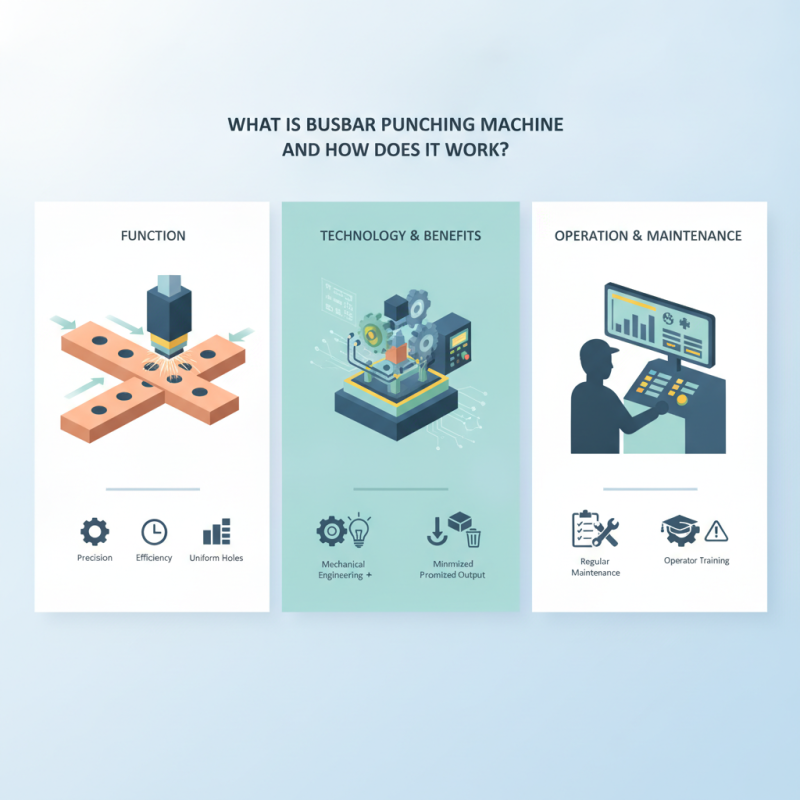
A Busbar Punching Machine is an essential tool in electrical engineering. It plays a critical role in manufacturing busbars, which are crucial for electrical distribution. This machine simplifies the punching process, ensuring precision and efficiency.
Using a Busbar Punching Machine allows manufacturers to create uniform holes in busbars quickly. This enhances the overall quality of electrical connections. Skilled operators can adjust settings to meet various specifications. However, some users may overlook regular maintenance, leading to machine inefficiencies.
The technology behind these machines is quite fascinating. It combines mechanical engineering principles with modern automation. Understanding how this machine works can improve production processes significantly. Companies benefit from investing in a reliable Busbar Punching Machine that can minimize waste and maximize output. Yet, the learning curve for operators can be steep. Addressing this challenge is vital for achieving optimal results.
What is a Busbar Punching Machine?
A busbar punching machine is a specialized device designed for fabricating busbars. Busbars are crucial in electrical distribution systems, connecting circuit breakers to various electrical components. They help manage high currents efficiently. These machines are essential in manufacturing environments where precision and speed are vital.
One core feature of a busbar punching machine is its ability to create holes, slots, and shapes in metal bars. This capability ensures that busbars fit perfectly into chosen electrical systems. Industry reports indicate that the demand for such machines is growing, driven by advancements in renewable energy technology and increasing energy consumption. According to the Global Busbar Market Report 2022, this sector is expected to see an annual growth rate of 8% over the next five years.
Tips: Regular maintenance of the machine is crucial. It increases the machine's lifespan and ensures precise operations. Also, consider the types of materials being punched. Different metals react differently during the punching process. Testing materials beforehand can save time and resources during production. It's essential to review design specifications regularly. Small changes can impact efficiency and quality significantly.
Busbar Punching Machine Usage Statistics
This chart illustrates the monthly output of different busbar punching machines. The data reflects the performance of various models in producing busbars, showcasing their efficiency in manufacturing processes.
Key Components of a Busbar Punching Machine
A busbar punching machine is essential in electrical engineering. It accurately creates holes in busbars, which are metal strips used for power distribution. Understanding its key components can enhance its effectiveness and reliability.
The main components include the punching mechanism, hydraulic system, and control panel. The punching mechanism uses a die and punch to create precise holes. This process ensures uniformity in each fabrication. The hydraulic system provides the necessary force to perform the punching efficiently. It requires regular maintenance to function optimally. A reliable control panel allows operators to input specifications and monitor the machine's performance.
Additionally, safety features are crucial. Emergency stop buttons and safety guards protect operators. However, training is vital. Inadequate knowledge can lead to unsafe practices. Understanding these fundamentals ensures the busbar punching machine operates effectively and safely.
How Busbar Punching Machines Operate
Busbar punching machines are essential tools designed for the electrical industry. They specialize in creating holes in busbars made of copper or aluminum. Understanding their operation is key to maximizing efficiency in manufacturing processes.
These machines work using hydraulic power or mechanical force. The operator places the busbar in the designated position. A punching mechanism then applies pressure to create holes or slots precisely where needed. This allows for better cable management and electrical connectivity. The speed of operation can vary, but most machines are designed for rapid production cycles.
Tips: Ensure that the busbar is properly aligned before operation. Misalignment can lead to wasted materials and increased costs. Regular maintenance of the machine can prevent breakdowns and improve longevity. Also, try to keep the workspace clean to avoid accidents, which is often overlooked.
The process can be complex. Operators must be skilled to handle the machine efficiently. Training is crucial to prevent errors that can arise from improper use. Understanding the limitations of your machine is just as important as knowing its features. Each model may have unique attributes that require attention.
Applications of Busbar Punching Machines in Industry
Busbar punching machines have become essential in various industries. These machines allow for precise punching of holes in busbars, which are critical components in electrical systems. The accuracy provided by these machines enhances efficiency during installations. They help create proper connections between electrical components, ensuring reliability in power distribution.
In sectors like manufacturing, automotive, and renewable energy, busbar punching machines play a vital role. They support the production of busbars that meet specific design requirements. Industries that depend on large electrical systems really benefit from these machines. The time-saving nature of automated punching keeps production lines moving smoothly. However, not all operations may recognize the machine's full capabilities, leading to missed opportunities for improvement.
The effectiveness of busbar punching machines can vary based on the operator's experience. A well-trained operator can maximize the machine's potential. There can be challenges, too; a machine may require regular maintenance to avoid downtime. Some users may encounter difficulties adapting to new technologies. The learning curve is real, and addressing it is crucial for operational success.
Advantages of Using Busbar Punching Machines
Busbar punching machines are essential tools in the electrical industry. They enable precise hole punching in metal busbars, which are critical for electrical distribution systems. Using a busbar punching machine enhances productivity by automating what would otherwise be a tedious manual process. This technology allows for consistent results, ensuring that each hole is accurately placed.
One significant advantage is the reduction in labor costs. Operators require less training to use these machines compared to traditional methods. This can lead to faster project completion. Additionally, the accuracy of automated punching minimizes material waste, which can contribute to cost savings. By optimizing material use, companies can improve their overall efficiency.
However, some challenges still exist with these machines. Maintenance is crucial to ensure longevity and consistent performance. Regular checks help avoid breakdowns, which can delay production. It's important for companies to invest in operator training and machine upkeep. Balancing automation with human oversight leads to the best outcomes.





