What is a Brake Shoe for Cars and Why is it Important?
When it comes to vehicle safety, the brake shoe car plays a crucial role. According to John D. Miller, a leading expert in automotive safety, "Brake shoes are vital to stopping power and overall control." This statement underscores the significance of brake shoes in ensuring reliable braking systems in cars.
Brake shoes are typically located within drum brake systems. Their primary function is to create friction against the brake drum, effectively slowing down or stopping vehicles. This mechanism is essential for driver safety and vehicle performance. Quality brake shoes can greatly enhance the lifespan of your braking system.
However, many drivers overlook the importance of regularly checking brake shoes. Neglected brake shoes can lead to decreased braking efficiency and even accidents. It's essential to recognize when replacements are needed. Regular inspections can prevent costly repairs and improve road safety. Understanding the role of brake shoes can lead to more informed maintenance choices.
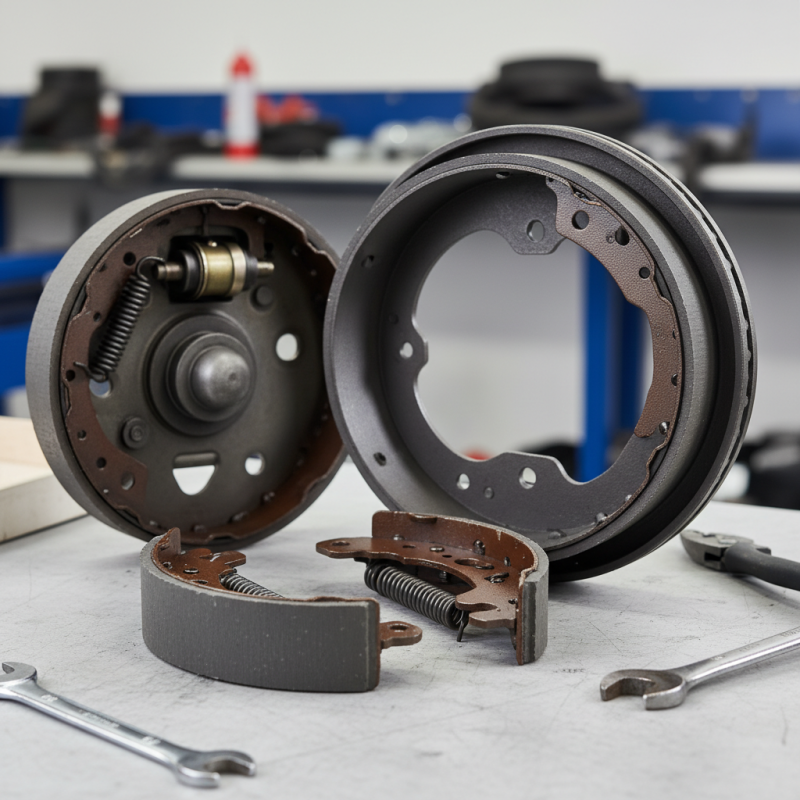
What is a Brake Shoe and Its Function in Automotive Braking Systems?
Brake shoes are crucial components in automotive braking systems. They work with the drum brake system to bring a vehicle to a stop. When you press the brake pedal, hydraulic pressure forces the brake shoes against the drum. This creates friction, slowing down the wheel's rotation. As a driver, understanding brake shoes helps ensure your safety.
Over time, brake shoes wear down. It's important to check them regularly. Signs of wear include a squeaking noise or decreased braking efficiency. If you notice these issues, it might be time for replacement.
**Tips:** Always listen for unusual sounds when braking. They can indicate wear. Additionally, check your vehicle’s service manual for recommended maintenance intervals. Regular inspections can prevent costly repairs. Neglecting brake shoes can lead to more serious brake system damage. Stay proactive to ensure your vehicle's reliability.
What is a Brake Shoe for Cars and Why is it Important?
| Feature | Description | Importance |
| Material | Typically made from friction materials such as steel or composite. | Material choice affects braking performance and longevity. |
| Function | Creates friction with the brake drum to slow or stop the vehicle. | Critical for effective vehicle braking and safety. |
| Wear Indicators | Many brake shoes come with built-in wear indicators. | Helps in timely maintenance and replacement, preventing brake failure. |
| Installation | Typically installed in pairs on each axle. | Proper installation ensures balanced braking and safety. |
| Maintenance | Regular inspection for wear and tear is recommended. | Prevents brake failure and enhances vehicle reliability. |
The Components and Design of Brake Shoes in Cars
Brake shoes are crucial for the vehicle's braking system. They are typically made of metal and friction material. This combination allows them to grip the brake drum effectively. When you press the brake pedal, the shoes expand against the drum, creating friction to slow down or stop the car. The design of brake shoes varies, but they generally include a backing plate and linings.
Understanding the components of brake shoes is essential for vehicle maintenance. The backing plate provides strength while the friction material is vital for effective braking. Many people overlook the importance of regular inspection. Worn-out brake shoes can lead to reduced braking efficiency. This can be dangerous.
Additionally, not all brake shoes are created equal. Some may perform better under certain conditions. Environmental factors like moisture and temperature can affect their effectiveness. It's important to choose brake shoes suited for your driving conditions. Regular maintenance and selection can ensure a reliable braking system.
How Brake Shoes Contribute to Vehicle Safety and Performance
Brake shoes are crucial components in a vehicle's braking system, particularly in drum brakes. They press against the brake drum to create friction, slowing down or stopping the car. The material and design of brake shoes can greatly influence their effectiveness. Typically made from a mix of metals, rubber, and composite materials, they must be durable to handle intense heat and pressure.
Properly functioning brake shoes are vital for overall vehicle safety. Worn or damaged shoes can lead to a longer stopping distance and decreased responsiveness. This is especially concerning in emergency situations. If brake shoes are not replaced on schedule, they might also cause damage to the brake drum itself, resulting in costly repairs. A vehicle needs reliable brakes to ensure safety for all road users.
Regular maintenance checks help identify issues before they escalate. Drivers often overlook brake shoe wear because it's not visible at first glance. This can lead to unexpected failures. Understanding the importance of brake shoes can prevent accidents and extend vehicle life. Trust in mechanical expertise is essential, highlighting the need for professional inspections and timely replacements.
Signs of Worn-Out Brake Shoes and When to Replace Them
Brake shoes are vital components in drum brake systems. They ensure your vehicle can stop effectively and safely. Recognizing the signs of worn-out brake shoes is crucial for maintaining vehicle safety. According to industry reports, approximately 40% of vehicle breakdowns are linked to brake system failures, highlighting the importance of regular maintenance.
Signs of wear include a grinding noise when braking, decreased responsiveness, or a spongy brake pedal feel. If you hear a squealing sound, it often indicates that the brake shoes are thinning. This can lead to metal-on-metal contact, causing damage to other components. Research shows that replacement at the first sign of wear can extend the lifespan of brake drums and reduce repair costs.
Visual inspections can also reveal cracks or uneven wear patterns. If the shoes appear significantly worn, it's time for replacement. Delaying this can lead to more severe brake problems, increasing risks for drivers and passengers. Regular checks should be part of your vehicle care routine. A proactive approach ensures safety on the road. Driving habits and environmental factors can affect brake shoe longevity. Tailoring maintenance schedules based on these elements is key to optimal performance.
Understanding the Maintenance and Lifespan of Brake Shoes in Vehicles
Brake shoes are a critical component in drum brake systems, using friction to slow the vehicle down. These parts wear down over time, making regular maintenance essential. According to the Automotive Service Association, brake shoes should be inspected every 10,000 to 15,000 miles. This proactive approach can prevent more significant issues that may arise from neglecting their condition.
When considering the lifespan of brake shoes, several factors come into play, including driving habits and environmental conditions. Drivers who frequently engage in hard braking or drive in hilly regions may find their brake shoes wear out faster. A study by the National Highway Traffic Safety Administration highlights that poorly maintained brakes contribute to nearly 22% of all vehicle crashes. This statistic underscores the importance of proper maintenance.
**Tip:** Regularly check your brake shoes for signs of wear, such as a grinding noise or reduced braking performance.
Another aspect to consider is temperature; brakes heat up during use. Excessive heat can lead to brake fade, minimizing their effectiveness. Monitoring your brake system's performance can save you from costly repairs down the line.
**Tip:** If your vehicle pulls to one side while braking, it could mean uneven wear on brake shoes. Have them checked immediately.
Understanding brake shoes' function and lifespan helps ensure safer driving. Regular maintenance cannot be overlooked.
Brake Shoe Maintenance and Lifespan
This chart represents the average brake shoe thickness over different mileages. It highlights the importance of regular maintenance and replacement of brake shoes to ensure vehicle safety.





