What is Bmc Composite Hydraulic Press and Its Benefits?
In recent years, the Bmc Composite Hydraulic Press has become a crucial tool in manufacturing industries. Reports indicate that the global market for composite materials is projected to reach $38.2 billion by 2026, with significant growth driven by the automotive and aerospace sectors. The Bmc Composite Hydraulic Press enables manufacturers to work with complex materials more efficiently.
This hydraulic press offers precise control and powerful compression forces. It enhances production speed and consistency while reducing waste. However, some manufacturers still face challenges in optimizing their processes. The integration of advanced technology is essential for realizing the full potential of the Bmc Composite Hydraulic Press.
Moreover, while many facilities have adopted these presses, not all have maximized their capabilities. Continuous training and adaptation are necessary to ensure effective operation. Investing in this technology can yield substantial benefits, but it requires careful planning and execution. Understanding the nuances of operating a Bmc Composite Hydraulic Press can significantly influence the overall manufacturing success.
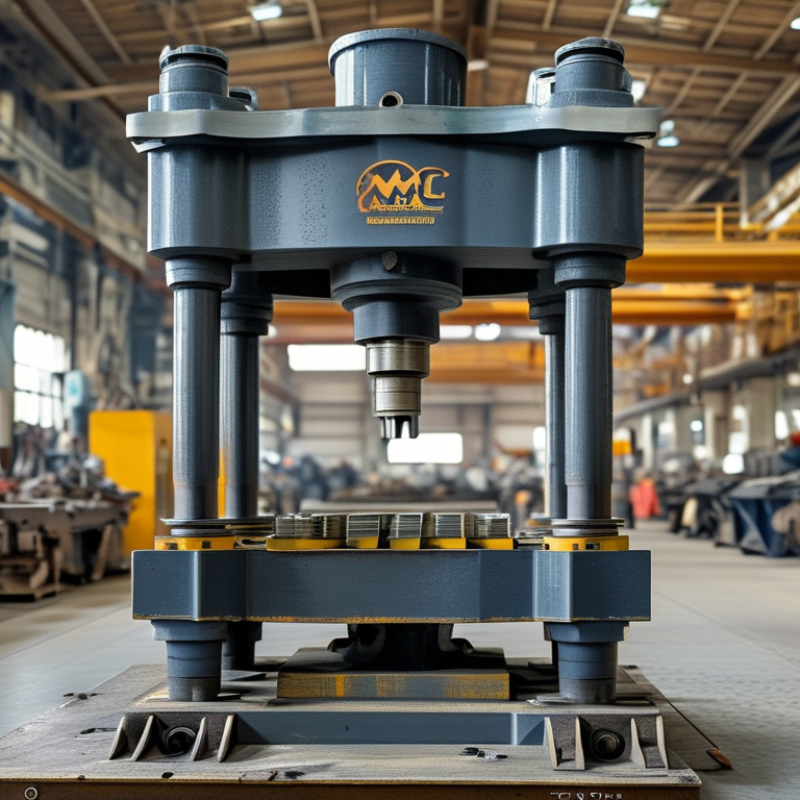
What is a BMC Composite Hydraulic Press?
BMC Composite Hydraulic Press is an advanced machine used in composite material manufacturing. These presses operate by applying immense pressure to composite materials, ensuring proper bonding and shaping. A report by Market Research Future highlights that the demand for composite materials is expected to grow at a CAGR of 7.5% from 2022 to 2030. This reflects the rising need for high-performance materials in industries like aerospace, automotive, and wind energy.
These presses offer several advantages. They increase production efficiency and maintain consistent quality. Their ability to handle various materials, including carbon fiber and fiberglass, expands their application range. However, one must consider the initial investment costs and potential maintenance challenges. Some users have reported difficulties in calibrating these machines properly, which can affect output quality. Research shows that proper training and usage guidelines are vital for maximizing efficiency.
In addition, the precision that BMC Composite Hydraulic Presses provide can lead to reduced waste during production. This aligns with the growing emphasis on sustainability in manufacturing. A study by the Composite Manufacturing Association noted that adopting advanced technologies can decrease waste by 15%, making composite production more eco-friendly. Despite these benefits, areas like operational training and ongoing assessments still require attention to fully leverage this technology.
Key Components of BMC Composite Hydraulic Press
The BMC composite hydraulic press is a critical machine in various manufacturing processes. Understanding its key components can help you appreciate its functionality. A main feature is the hydraulic system. This system generates significant pressure to mold materials. It’s essential for ensuring even distribution during pressing. Operators should regularly check for leaks to maintain efficiency.
Another important component is the frame. The frame needs to be robust to withstand high pressures. A weak frame results in poor performance and may lead to accidents. The design should also allow for easy access during maintenance. Inspecting wear and tear on the frame can save time in the long run.
The control system is equally vital. It regulates the pressure and speed of the pressing process. Users require training to manage the controls effectively. Misconfigurations can lead to material defects. Operators need to develop a keen eye for detail to identify issues quickly. Having skilled personnel improves the overall reliability of the hydraulic press in production.
Advantages of Using BMC Composite Hydraulic Press
The BMC Composite Hydraulic Press offers significant advantages for various industries. Its ability to apply immense pressure efficiently makes it ideal for creating composite materials. Users can expect improved productivity due to its streamlined operations. This press can often achieve uniform pressure distribution, which enhances the quality of final products.
One notable benefit is versatility. It accommodates different materials, including plastics and metals. This adaptability can lead to cost savings in production. Operators find that maintenance is generally straightforward, reducing downtime. However, sometimes, users may overlook proper training. Insufficient understanding can lead to inefficient use, highlighting the need for thorough operator education.
Reliability is another selling point. The structure of these hydraulic presses is designed for longevity. Users report fewer breakdowns compared to traditional systems. That said, there are cases where components wear out faster than expected. Regular checks and a proactive maintenance program are advisable to mitigate this risk. These aspects underscore the importance of integrating this technology thoughtfully into production processes.
BMC Composite Hydraulic Press Benefits
The BMC Composite Hydraulic Press offers several significant benefits. The bar chart above illustrates the scoring of various advantages such as energy efficiency, cost savings, flexibility, production speed, and quality control, with scores rated out of 10. These features make the BMC press a valuable asset in manufacturing processes.
Applications of BMC Composite Hydraulic Press in Industry
The BMC composite hydraulic press plays a crucial role in various industries, especially in manufacturing. Its ability to combine high pressure with composite materials allows for innovative applications. One key area is automotive manufacturing, where it helps create lightweight parts that enhance fuel efficiency. Additionally, the aerospace sector benefits significantly from the use of BMC presses. They facilitate the production of strong yet light components that are essential for aircraft.
In the construction industry, these presses are essential for producing durable materials. They enable the creation of components that are both resilient and lightweight. However, despite their advantages, there are challenges. Not all operators fully understand the press's complexities. Proper training and experience are crucial for optimizing the process. Equipment maintenance can also be a concern, as neglect may lead to subpar results.
Another application is in the medical field, where precision is vital. BMC presses can produce intricate shapes required for medical devices. Nonetheless, the inconsistency in material quality can be an issue. Implementing strict quality control measures is essential. Industries must address these challenges to maximize the benefits of BMC composite hydraulic presses.
Maintenance and Best Practices for BMC Composite Hydraulic Press
Maintaining a BMC composite hydraulic press requires regular attention and care. Operators should inspect hydraulic fluid levels frequently. Low levels can lead to malfunction or damage. Regularly check for leaks around hydraulic connections. Any sign of fluid loss necessitates immediate repair. This proactive approach prevents further issues.
Best practices include cleaning the press after each use. Dust and debris can hinder its performance. Also, lubricate moving parts as per the manufacturer's instructions. This helps in avoiding wear and tear. Operators should undergo training to understand the machine’s functions better. Knowledge about each component empowers them to spot potential problems early.
It’s essential to maintain a clean workspace around the press. Clutter can lead to accidents or operational delays. Regularly scheduled maintenance should be documented. This creates a reliable record for future reference. However, even the best-maintained presses require eventual upgrades or replacements. Reflecting on the machine's performance can lead to valuable insights for future operations.
What is BMC Composite Hydraulic Press and Its Benefits?
| Feature | Description | Benefits |
| High Pressure Capability | Can exert significant force for compression. | Increases efficiency in manufacturing composites. |
| Versatility | Suitable for various types of composite materials. | Adaptable to different production needs. |
| Controlled Environment | Allows for fine-tuning of pressure and temperature. | Improves product quality and reduces defects. |
| User-Friendly Interface | Easy to operate with digital controls. | Reduces training time and operator errors. |
| Reduced Cycle Time | Accelerated pressing and curing times. | Enhances overall productivity and throughput. |
| Maintenance Friendly | Designed for easy access to components. | Simplifies maintenance, prolonging machine life. |





