


Top Biogas Purification Systems for Global Buyers?

Choosing a biogas purification system is not just a matter of comparing equipment prices. Raw biogas can vary in methane content, moisture, hydrogen sulfide, and other contaminants. Those differences affect gas quality, equipment life, and operating costs. Bio Gas Purification systems may use membrane separation, pressure swing adsorption, water scrubbing, or chemical absorption. Some plants also need dedicated media or filters to manage hydrogen sulfide and siloxanes. Small details matter. A wet feed, for example, can increase maintenance needs if pretreatment is inadequate.

This guide introduces leading system types and the practical questions global buyers can ask suppliers. Compare feed capacity, methane recovery, outlet specifications, energy and water use, footprint, and maintenance requirements. Ask for performance data based on feed gas similar to your own, not only ideal test conditions. Request clear information on replacement media, commissioning, operator training, and local service support. These details can shape long-term performance as much as the separator itself.

There is no universal winner. A compact membrane package may suit one site, while a larger facility may favor another process. Site utilities, feed consistency, product use, and available technical support all matter. Even a polished specification sheet cannot settle every uncertainty. Buyers should verify assumptions and leave room for actual operating conditions to differ. That part is easy to overlook.
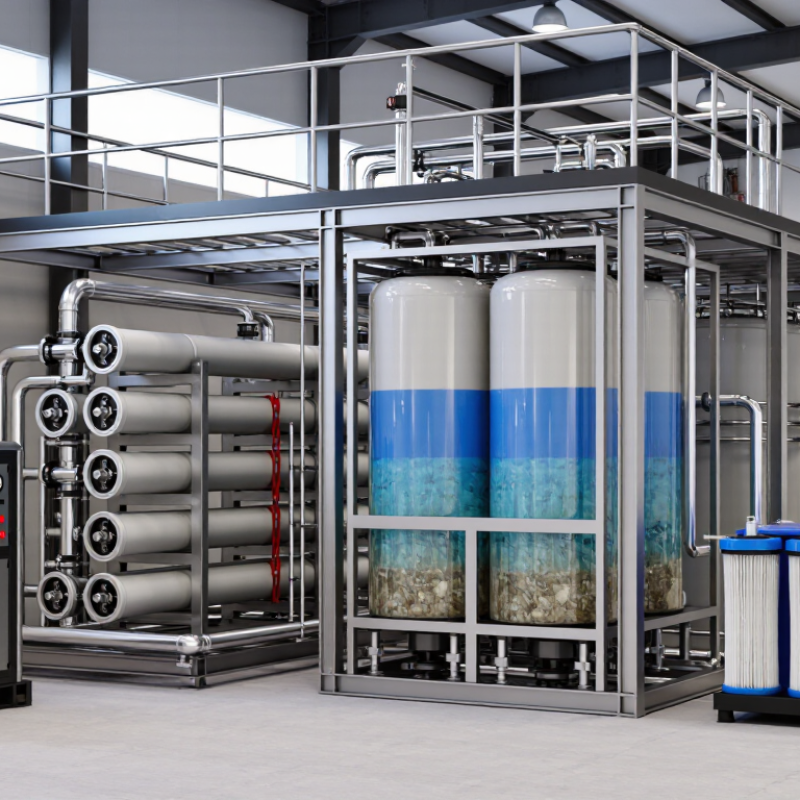
Top Biogas Purification Systems for Global Buyers?

Biogas Purification: Purpose, Process, and Key Output Standards

Biogas purification removes contaminants that can corrode equipment, reduce fuel value, or prevent gas from meeting its intended use. Raw biogas commonly contains methane and carbon dioxide, with varying amounts of hydrogen sulfide, water vapor, siloxanes, and other trace compounds. The exact mix depends on feedstock and plant operation. It can change after a wet week.

A typical system cools and dries the gas, then removes hydrogen sulfide and other contaminants using processes selected for the gas composition. Carbon dioxide removal may follow when biomethane with a higher methane concentration is required. Operators check gas samples and instrument readings rather than relying on a single design assumption. Small leaks or exhausted media can shift results quickly.

Key output standards are use-specific. Pipeline injection requirements may set limits for methane content, carbon dioxide, hydrogen sulfide, oxygen, moisture, pressure, and heating value. Vehicle fuel specifications often add controls for siloxanes and other trace contaminants. There is no single set of numbers suitable for every destination; buyers should confirm the receiving network’s current limits before choosing equipment. Ask for guaranteed outlet values under stated feed-gas conditions, plus a sampling plan. Paper specifications look tidy. Real operating data matters more.


Main Technologies Used in Biogas Purification Systems

Biogas purification is a treatment train, not a single machine. Raw gas often contains water vapor, hydrogen sulfide, carbon dioxide, and trace siloxanes. Each contaminant needs a suitable control step. Cooling and condensate traps remove much of the moisture. Iron-based media, activated carbon, or biological scrubbers can reduce hydrogen sulfide. The right option depends on gas flow, sulfur levels, and maintenance capacity.

To increase methane concentration, systems commonly separate carbon dioxide through water scrubbing, pressure swing adsorption, membranes, or amine absorption. Water scrubbing dissolves carbon dioxide into water; pressure swing adsorption uses materials that capture gases under changing pressure. Membranes separate components at different rates, while amine systems absorb carbon dioxide and require heat for regeneration. No route wins everywhere. Energy use, water availability, operating skill, and methane losses all matter.

Good design begins with a representative gas analysis and the required outlet quality. A facility with variable feed gas may need more flexible controls than a steady operation. Operators should track pressure, moisture, hydrogen sulfide, and methane in the outgoing gas. A small pilot test can reveal practical issues that a neat process diagram misses. It is not a perfect safeguard, but it can prevent costly surprises.

How Leading Purification Systems Differ in Performance and Use

Top Biogas Purification Systems for Global Buyers?

How Leading Purification Systems Differ in Performance and Use

Water scrubbing suits steady, medium-to-large plants with reliable water supply. It removes carbon dioxide and some hydrogen sulfide, but needs water management. Pressure swing adsorption uses adsorbent beds and avoids continuous water use. However, methane losses can rise if the system is poorly tuned. Membrane units are compact and modular, making them practical where space is tight. Multi-stage designs can improve gas quality, but add equipment and controls. Amine systems can achieve high methane purity, though they need heat for solvent regeneration.

The IEA’s 2020 Outlook for Biogas and Biomethane estimates global sustainable biogas and biomethane potential at about 1,000 billion cubic metres annually. That potential does not make every purification system suitable for every site. Feedstock changes, gas flow, power prices, and required outlet quality all affect operating performance. Real plants are messier than brochures suggest. A small leak or variable feed can shift the economics.

Tips: Test raw gas across seasons before choosing equipment. Ask suppliers for measured methane recovery, energy use, and maintenance needs under similar operating conditions. Compare full operating costs, not just purchase prices.

Global Buyer Factors: Feedstock, Regulations, and Project Scale

A purification system should match the gas coming out of the digester, not just its rated capacity. Manure, food waste, and agricultural residues can produce different levels of hydrogen sulfide, moisture, and other trace compounds. Ask for feed-gas data across seasons, since a single laboratory sample may miss real operating swings. Small changes matter.

Those impurities influence equipment choice and maintenance. A membrane unit, water scrubber, or pressure-swing adsorption system may suit different conditions, but no option fits every project. Check what pretreatment is required, how often filters or media need replacement, and whether operators can handle the routine work. Get expected methane recovery and methane-slip figures in writing, with the measurement conditions stated.

Regulations shape the final design. Grid injection may require specific gas-quality limits, while vehicle fuel or on-site use can have different specifications. Confirm local requirements early, including monitoring and emissions reporting. Project scale matters just as much: a compact plant may value simple controls and modular expansion, while a larger facility may prioritize continuous uptime and service access. Walk the proposed layout. Can a technician reach valves safely? Small details are easy to overlook, and estimates can look cleaner than a muddy site in winter. Ask suppliers to explain assumptions behind energy use, availability, and lifecycle costs.

Evaluating Costs, Operations, and Long-Term System Reliability

Biogas purification systems should be compared by the gas they receive, not by headline removal rates. Feed composition changes with season, digester loading, and temperature. A site handling wet gas with hydrogen sulfide may need different pretreatment than one processing a dry, steady stream. Small details matter. Ask suppliers for performance data at your expected methane flow and contaminant levels.

Purchase price is only one part of total cost. Include compressors, media replacement, water treatment, electricity, labor, and planned downtime in the estimate. Record expected consumables per operating hour, then compare those figures with service access and delivery times. A cheaper unit can become costly when replacement media arrives late. Yet forecasts are imperfect.

Operational reliability depends on practical controls as much as process design. Operators need clear alarms, safe sampling points, and simple procedures for draining condensate or changing filters. Request references from facilities with similar gas quality, and review operating records across several seasons. Check whether the system can maintain output during routine maintenance or requires a backup path. No system runs untouched. Allow time and budget for sensor calibration, corrosion checks, and gradual performance drift; these are easy to underestimate.

Top Biogas Purification Systems for Global Buyers? - Evaluating Costs, Operations, and Long-Term System Reliability

Purification technology Typical product-gas quality Typical methane recovery Energy and operating needs Relative cost profile Reliability and maintenance considerations Common fit and limitations
Membrane separation Often about 96–99 vol% methane in the product gas, depending on staging and operating conditions. Commonly about 96–99% with suitable process design and recycle. Electricity for compression; indicative upgrading demand is often around 0.20–0.35 kWh per Nm³ of raw biogas. Feed gas needs effective drying and contaminant control. Moderate capital cost; operating costs are influenced by electricity, membrane replacement, and pretreatment. Modular with relatively few moving parts. Membrane life and performance depend on avoiding oil, moisture, particulates, and other damaging contaminants. A flexible option for many small-to-large projects. Product quality and methane slip depend on system configuration and gas composition.
Pressure swing adsorption (PSA) Often about 96–98 vol% methane; final quality depends on the adsorbent, cycle design, and feed-gas preparation. Commonly about 96–99% when off-gas handling and process control are properly designed. Electricity is used for compression and cyclic operation; indicative demand is often around 0.20–0.35 kWh per Nm³ of raw biogas. Feed gas generally requires drying and H₂S removal. Moderate capital and operating costs; economics depend on scale, compression, adsorbent life, and off-gas treatment. Automated cyclic operation can provide consistent output. Valves and adsorbent beds need monitoring; contaminants can reduce adsorbent performance. Suitable where a dry, well-pretreated feed is available. Methane in the off-gas may need recovery or treatment to limit losses.
Water scrubbing Often about 95–99 vol% methane, depending on pressure, water flow, and process configuration. Commonly about 96–99%; recovery is affected by dissolved methane and gas-recovery design. Electricity is required for compression and water circulation; indicative demand is often around 0.20–0.50 kWh per Nm³ of raw biogas. Water treatment or recirculation is required. Moderate capital cost; operating costs include electricity, water management, and equipment upkeep. A mature process with established operating practice. Pumps, compressors, water quality, and scaling or corrosion require routine attention. Can remove CO₂ and some water-soluble impurities. H₂S management and water handling should be included in the plant design.
Chemical absorption (amine) Often about 97–99+ vol% methane, subject to process design and feed-gas conditions. Can exceed 99% in appropriately designed systems with effective off-gas management. Typically lower electrical demand than some compression-intensive options, but solvent regeneration requires heat. Heat source and temperature affect total energy use. Higher equipment and process complexity; economics can improve when low-cost waste heat is available. Can provide stable, high-purity gas when operated correctly. Solvent condition, corrosion control, heat integration, and emissions management require attention. Often considered for larger plants or sites with usable heat. Solvent handling and thermal demand must be assessed over the project life.
Cryogenic upgrading Can produce high-methane gas; achievable quality depends on process configuration and feed-gas composition. Potentially high, but depends on plant design, operating conditions, and recovery of methane from separated streams. Requires refrigeration and compression. Feed gas needs careful drying and contaminant removal to prevent freezing and equipment problems. Generally higher capital and engineering complexity than common upgrading methods; project economics are strongly scale-dependent. Specialized equipment and controls require skilled operations and maintenance. Reliability depends on robust pretreatment and process monitoring. May be attractive where gas liquefaction or recovery of additional gas components is valuable; often less straightforward for smaller installations.

Comparison note: Performance and cost figures are indicative engineering ranges, not guaranteed specifications. Actual results depend on feed-gas composition, plant scale, pretreatment, local energy prices, product-gas requirements, and the handling of off-gas. H₂S, moisture, siloxanes, and particulates may require dedicated pretreatment; gas-grid or vehicle-fuel specifications vary by jurisdiction.

Powder Coat Booths

For those larger-sized parts, or smaller quantity runs, we have 2 independent powder coat booths and ovens. The quality, durability and affordability of today’s powder coating finishes make this the process of choice for world-class companies.

Powder coating advantages over other forms of coating are many. Materials used in the Powder coating process can be metals and non-metals that come in a multitude of thicknesses, textures, colors, etc. Another of Powder coating’s biggest advantages over conventional coatings is its ability to create finishes in many different textures. Powder Coating Booths allow us the ability to apply these advantages to large products.

Wet Paint Line

Tri-State Fabricators runs a full-service conveyor line for painting. Wet painting can provide protection or decoration to many different part styles. From start to finish, every project is easier to undergo random and point-based inspection by our skilled painting team.

Advantages to our Wet Paint Line are these lines start with product prep and ends with a thorough inspection of a high quality finished product. Our ability to complete large and small projects with a superior finish and doing so in a timely and economical fashion. This passes along the savings in production to our customers. When powder coating ins not an option, our Wet Paint Line gets the job done right the first time.

Wet Paint Booths

When the parts get big and heavy we roll-out our custom paint racks and oversize booth. By utilizing our partnerships with all the major paint brands, we can match virtually any color with wet paint.

The advantages of having access to a Wet Paint Booth are many. Large projects of many different shapes can be loaded into the booth. The Wet Paint Booth offers an environment that is much more controlled than a typical parts painting operation.

Not only are they used because of their controlled environment, but they’re are also advantageous when it comes to applying paint to parts that are needed in industries that require specialty coatings such as medical, aerospace, etc.

Military CARC

Our military forces have some very high standards when it comes to the finish of their vehicles and equipment. From the first pre-treatment step to final coat, it takes a great deal of knowledge and experience to protect the men and women of our armed forces. They deserve only the best, and Tri-State Fabricators provides it.

All of our processes are closely monitored by our staff and management teams. Both of which are highly trained in the processes of metal fabrication and finishing. Tri-State Fabricators’ goal is to always fully satisfy each and every customer, including the military. We will always put a 110% into what we do.

Glass-Bead Blasting

Abrasive media blasting is an excellent way to remove old paint, rust, and increase the paint/powder adhesion. Glass beads produce a much smoother and brighter finish than angular abrasives; leaving the part clean yet without any dimensional change. Chemically inert and environmentally friendly, we can recycle our beads approximately 30 times; making them a more preferred method of metal cleaning or surface finishing.

Advantages to Glass Bead Blasting are many. Glass bead blast media is used when a project is needing rough surfaces need to become smooth for applications of coatings such as paint. It is typically used to clean paint and rust from a product surface without deforming the surface it is being used on. Overall, compared to many other blasting media, Glass Bead Blasting is a very economical choice and those savings are always passed on to our customers.

Part Washing

Tri-State Fabricators utilize a zinc phosphate wash to clean and etch the material to ensure the best paint adhesion possible. The unique design of our 3-stage wash system does the work like a 5-stage. From Cleaning and rinsing to conversion coating and post-treatment, Our Part Washing process is a complete service and works throughout the fabrication service and the finishing service.

Along with the previously mentioned benefits, Curing is a vital chemical reaction that leaves the product finish hard and relatively safe from mild abrasion and aggressive corrosion. This process can be done in more than one way; ambient air-dry or in curing ovens at temps that exceed 240°.

Burn-Off Oven

From fixing paint mistakes (someone else’s of course) to simply cleaning our paint line hooks, our burn-off oven is put to good use. After a quick burn-off, a little clean up, and a fresh coat of paint, your parts will look better than new.

Why does our Burn-Off Oven work so well? Because super heating the air around parts turns the materials into ashes. From paint and powder coatings to rubber and machining oils, high temps do the job without degrading the integrity of the part.

Masking

Masking is a vital part of producing high quality products. We have die-cut masking patterns to protect machined surfaces as well as a wide range of plugs and caps to protect threaded holes and bolts. We provide permanent and temporary masking.

Masking allows the selected sections of a product to be protected from a fabrication or finishing service. This can be with both chemicals when etching and tapes, paints when only finishing just a section of the product. Masking is great in aiding the customization process of a project.

Screen Printing

Screen printing is a photographic process that transfers artwork onto a porous nylon screen which allows colored ink to flow through the screen and be deposited on an aluminum or plastic component. We can generally have just about any design created onto a screen for your parts.

Some of the advantages of Screen Printing are, brand recognition for your business displaying on your products, assembly instructions, product warnings/hazards, etc. Tri-State Fabricators produces Screen Printing of the highest quality so you know it’s durable.

Metal Finishing

Metal Finishing is the art of treating the exterior portion of product, often metal but can also be made of other materials, so that the surface is clean and free of any debris. Then the process of applying coats or either paint of powder coat takes place. This coating process improves the quality of the product in both appearance and resistance to wear and corrosion.

Tri-State Fabricators, Inc., understands that a project typically isn’t complete until a high-quality finish has been added to your product. This is why our painting and powder coating teams continuously inspect the products throughout the Metal Finishing process.
