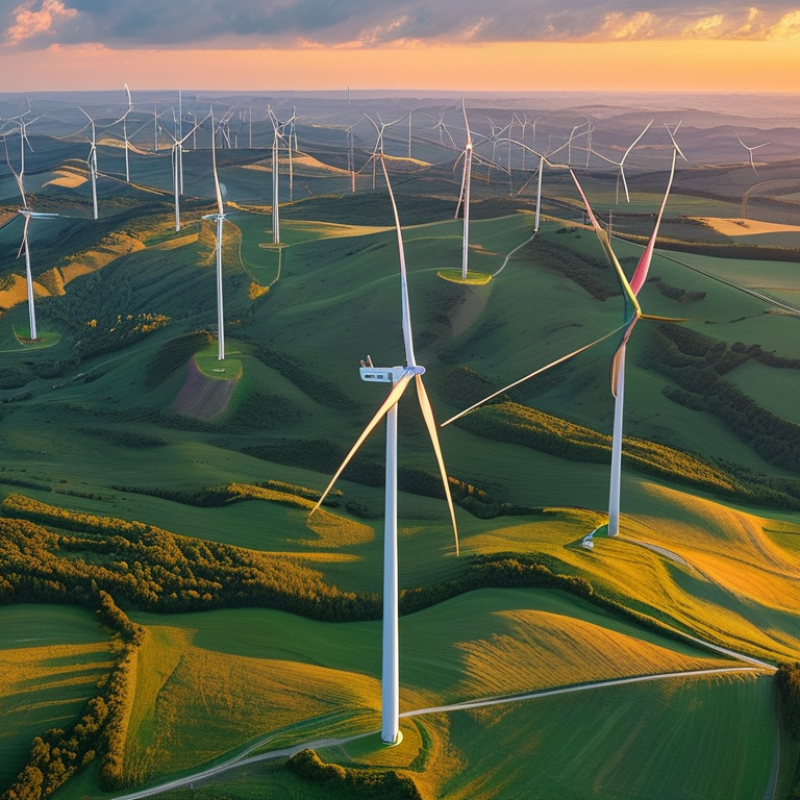
What are the Best Wind Turbine Options for Global Buyers?
As the global demand for renewable energy grows, wind turbines emerge as a leading solution. Choosing the right wind turbine is crucial for buyers worldwide. With diverse options available, the decision can be overwhelming.
Wind turbines vary significantly in design, capacity, and technology. Some cater to small-scale needs, while others are built for large energy farms. Understanding the market landscape is essential for making informed choices. Factors such as efficiency, durability, and maintenance require careful consideration.
The best choices differ based on regional conditions and buyer needs. There are no one-size-fits-all solutions. It's important to analyze local wind patterns and energy requirements. Without proper research, investments may not yield the expected returns. Exploring multiple options and seeking expert guidance can lead to smarter decisions in the wind turbine market.
Types of Wind Turbines Available for Global Markets
Wind turbines have become vital in renewable energy. Various types cater to global markets, each with distinct features. Horizontal axis wind turbines (HAWTs) are most common. They offer high efficiency and power generation. These turbines have blades aligned with the wind direction, maximizing energy capture.
Vertical axis wind turbines (VAWTs) present an alternative. They can harness wind from any direction. This versatility makes them suitable for urban environments. However, their efficiency may not match that of HAWTs. Turbines designed for offshore use also need special consideration. These systems face harsher conditions, requiring robust materials and engineering.
Buyers must reflect on their specific needs when choosing a turbine. Factors like location, wind speed, and application play a critical role. Some regions may benefit more from VAWTs despite their power output. Others may find HAWTs more appropriate. The decision should align with local energy goals and sustainability efforts.
Factors to Consider When Choosing Wind Turbines
When selecting the best wind turbine options, several factors warrant careful consideration. The location plays a crucial role. Wind patterns, average speed, and turbulence levels can differ significantly from one area to another. It’s essential to analyze local weather conditions. A thorough site assessment can provide insights that lead to better turbine performance.
Another important factor is the turbine's size and capacity. Smaller turbines may suit residential use, while larger models are ideal for commercial applications. Capacity also influences the energy output. Understanding your energy needs can help you choose thoughtfully.
Tips for buyers: Evaluate the total cost of ownership. This includes installation and maintenance expenses. Factor in local incentives and rebates for renewable energy. It’s wise to consider warranty and service agreements as well.
Remember, consulting with experts can lead to informed decisions. Not all turbines are the same; what works for one situation may not for another. Reflect on your specific requirements and local infrastructure. Each choice should align with long-term goals for sustainability and efficiency.
Global Wind Turbine Capacity by Type (2023)
Top Manufacturers of Wind Turbines Worldwide
When choosing wind turbines, understanding the key manufacturers is crucial. Some companies dominate the market with innovative technology and reliability. Their designs vary, fitting different wind conditions and energy needs.
Tips: Research each manufacturer’s reputation. Read user reviews and case studies. This information can provide insight into their performance.
Consider local regulations and incentives when selecting turbines. These factors can significantly impact the total cost. Many regions encourage renewable energy with grants or tax breaks.
Not every turbine suits every site. Assess your environment carefully. Factors like wind speed and terrain can influence efficiency. Understanding these details helps avoid costly mistakes later.
What are the Best Wind Turbine Options for Global Buyers?
| Model | Rated Power (MW) | Rotor Diameter (m) | Hub Height (m) | Annual Energy Production (GWh) |
| Model A | 3.0 | 130 | 100 | 10.5 |
| Model B | 2.5 | 120 | 90 | 8.0 |
| Model C | 4.0 | 140 | 110 | 12.0 |
| Model D | 5.0 | 150 | 120 | 15.0 |
Cost and Maintenance Considerations for Wind Turbines
When considering wind turbine options, cost and maintenance are critical factors. The initial investment for wind turbines can range widely. According to the U.S. Department of Energy, the cost of onshore wind projects averages between $1,200 and $1,700 per installed kilowatt. This means a typical 2 MW wind turbine may cost around $2.4 million to $3.4 million, which can be daunting for many buyers.
Maintenance costs can also add up. The Global Wind Energy Council states that these expenses may range from $20,000 to $40,000 per year for a single turbine. Regular maintenance is crucial to ensure efficiency and longevity, which requires skilled labor and can be problematic in remote locations. Incomplete maintenance might lead to decreased performance and higher long-term costs.
Additionally, the availability of replacement parts can vary by region, leading to potential delays. Supply chain disruptions can impact maintenance schedules, increasing the risk of downtime. This unpredictability highlights the importance of choosing turbines that not only fit the budget but also come with reliable support and resources. Buyers should reflect on their unique conditions before making a final decision.
Emerging Technologies in Wind Turbine Design and Efficiency
Emerging technologies in wind turbine design are reshaping the renewable energy landscape. Innovations focus on efficiency, durability, and cost-effectiveness. According to a report by the International Renewable Energy Agency (IRENA), advancements could increase turbine efficiency by 20% within the next decade. These developments include larger rotor diameters and improved blade aerodynamics. Such features boost energy capture, making wind energy more viable.
Another exciting trend is the integration of artificial intelligence in turbine management. This technology optimizes energy production by predicting wind patterns. A study from the Global Wind Energy Council suggests that AI can enhance operational efficiency by up to 30%. These innovations don't come without challenges, however. As turbines grow in size, issues like maintenance and transportation logistics pose potential obstacles. Addressing these complexities requires ongoing research and development.
Furthermore, the move towards offshore wind farms is significant. Offshore turbines can leverage stronger and more consistent winds. The potential energy output from offshore sites is three times greater than onshore locations. Reports indicate that shifting focus to offshore can lead to a 50% reduction in the cost of electricity. Yet, environmental impacts and installation costs need careful evaluation. Balancing progress with sustainability remains a critical task.