Best Waste Heat Boiler Solutions for Global Buyers?
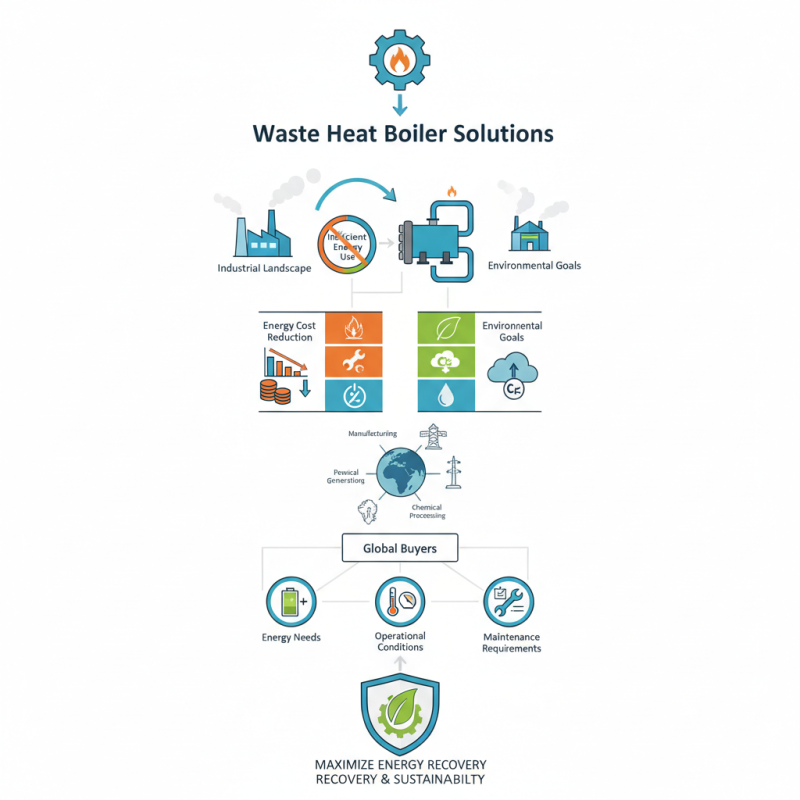
In today's industrial landscape, the importance of efficient energy recovery cannot be overstated. Waste heat boilers have emerged as crucial components in optimizing energy usage. They capture excess thermal energy from various processes and convert it into useful steam or hot water. This reduces energy costs and serves environmental goals.
Many industries, from manufacturing to power generation, face the challenge of inefficient energy use. This inefficiency often leads to higher operational costs and increased carbon footprints. The right waste heat boiler solution can address these issues effectively. Buyers are now more aware of options available worldwide. They seek innovative designs and reliable manufacturers to ensure optimal performance.
Investing in a waste heat boiler involves careful consideration. Not every solution suits every application. Buyers must consider factors like energy needs, operational conditions, and maintenance requirements. This deliberate approach can help organizations maximize energy recovery and enhance sustainability in their operations.
Best Waste Heat Boiler Solutions for Global Buyers
In today’s industrial landscape, waste heat recovery is essential for energy efficiency. Many global buyers seek reliable waste heat boiler solutions. These systems capture excess heat from industrial processes, converting it into usable energy. By doing so, companies reduce fuel consumption and lower emissions. However, selecting the right solution requires careful consideration of several factors.
Not all waste heat boilers are created equal. Buyers must evaluate the specific needs of their applications. Factors such as temperature range, pressure levels, and the type of process being utilized influence the choice of boiler. Additionally, installation and maintenance should not be overlooked. The upfront cost is just one part of the equation. Long-term operational efficiency is critical.
While many options exist, achieving optimal efficiency can be challenging. A one-size-fits-all approach rarely works in complex applications. Collaboration with experienced engineers can provide insights tailored to unique operations. Understanding these challenges can lead to better decision-making and improved sustainability goals.
Overview of Waste Heat Boiler Technologies and Their Benefits
Waste heat boilers play a crucial role in maximizing energy efficiency. They capture and recycle waste heat generated by industrial processes. By converting this heat into usable energy, these systems reduce fuel consumption and operating costs. Many industries, such as power generation and manufacturing, benefit from this technology.
Several waste heat boiler technologies exist, including fire-tube and water-tube designs. Fire-tube boilers are simpler and easy to maintain. Water-tube boilers, on the other hand, offer higher steam capacity and efficiency. Each technology has strengths and weaknesses, which must be weighed based on specific needs. Users often face challenges in selecting the right type, requiring expert guidance.
The environmental benefits of waste heat boilers are noteworthy. They minimize greenhouse gas emissions and contribute to sustainability goals. However, the initial investment may deter some buyers. Understanding the return on investment is essential for long-term success. Reflecting on energy strategies can lead to smarter decisions in utilizing waste heat technology.
Best Waste Heat Boiler Solutions for Global Buyers
| Technology Type | Efficiency (%) | Application | Typical Temperature Range (°C) | Benefits |
| Fire Tube Boilers | 70-90 | Power Generation | 100 - 500 | High efficiency, compact design |
| Water Tube Boilers | 85-95 | Industrial Heat Recovery | 150 - 600 | Superior heat transfer, safer operation |
| Condensing Boilers | 90-98 | Residential & Commercial Heating | 50 - 200 | Highly efficient, reduced emissions |
| Heat Recovery Steam Generators (HRSG) | 80-90 | Combined Cycle Power Plants | 300 - 600 | Maximizes efficiency, utilizes waste heat |
| Organic Rankine Cycle (ORC) | 80-90 | Geothermal & Low-Temperature Waste Heat | 80 - 300 | Flexible, renewable energy source |
Market Trends: Global Demand for Waste Heat Recovery Systems
The global market for waste heat recovery systems is evolving rapidly. Businesses seek efficient solutions to reduce energy costs. These systems capture and reuse heat from industrial processes, enhancing productivity. As companies become more environmentally conscious, the demand for waste heat boilers increases. Industries like manufacturing and oil refining are leading this trend.
Recent studies indicate a consistent rise in demand for such systems. However, many buyers face challenges. Understanding the technical specifications can be overwhelming. Knowledge gaps exist in areas such as installation and maintenance. This can deter potential investors from committing to waste heat recovery systems. Exploring partnerships with experienced suppliers can mitigate these concerns.
Many organizations are looking for innovative solutions. Technologies are advancing, but not all options fit every industry. Buyers need to consider their unique operational needs. Some may question the return on investment. A thorough analysis is essential. Addressing these issues will lead to smarter purchasing decisions. The journey to sustainable energy solutions must be navigated carefully.
Key Performance Indicators for Evaluating Waste Heat Boilers
When assessing waste heat boilers, key performance indicators (KPIs) play a crucial role. Efficiency is a critical metric that measures how effectively a boiler converts heat energy from exhaust gases into usable steam or hot water. A high efficiency rating indicates that a significant portion of waste heat is being utilized. However, achieving 100% efficiency is nearly impossible, prompting reflection on potential losses and areas for improvement.
Another important KPI is the durability of the boiler materials. Quality materials resist corrosion and wear, which can extend the lifespan of the boiler. Regular inspections and maintenance are vital to ensure these elements remain in good condition. Buyers should think about the total cost of ownership, including maintenance and potential downtime during repairs. This often overlooked aspect can significantly impact long-term operational costs.
Emission levels are also a crucial consideration. Many industries face regulations regarding emissions. Boilers must meet these standards to ensure compliance and reduce environmental impact. The challenge lies in balancing efficiency with compliance. Sometimes, a more efficient design may not adhere to emission regulations. Buyers need to engage with experts to navigate these complex requirements effectively. Understanding these KPIs can help buyers make informed decisions, but ongoing assessment and adjustment are essential for optimal performance.
Cost Analysis: Investment and Savings from Waste Heat Recovery
Waste heat recovery systems have gained significant attention in various industries for their potential economic benefits. According to a report by the International Energy Agency, recovering waste heat can save facilities up to 20% on energy costs. This is particularly relevant in sectors such as manufacturing and power generation, where energy consumption is high.
Investing in waste heat boilers involves initial costs that can be daunting. However, a thorough cost-benefit analysis often reveals that the long-term savings outweigh the upfront expenses. A study by the U.S. Department of Energy indicates that facilities can see a payback period of just 2 to 5 years on average. This analysis highlights the importance of considering operational efficiency when evaluating energy solutions.
Despite these advantages, not all systems guarantee effectiveness. Factors such as the temperature and quality of waste heat play a crucial role in the success of recovery systems. In some cases, businesses may overlook necessary adjustments or maintenance, which can hinder performance. It’s essential to evaluate both the risks and benefits to make informed decisions.
Conclusion
Waste heat boilers play a crucial role in improving energy efficiency and reducing greenhouse gas emissions across various industries. The article provides an overview of the latest technologies and benefits associated with waste heat boilers, emphasizing their significance in waste heat recovery systems. As global demand for these solutions continues to rise, understanding market trends and key performance indicators becomes essential for buyers looking to invest in waste heat recovery.
Cost analysis reveals that while the initial investment in waste heat boilers may be substantial, the long-term savings and return on investment are often significant. The article also highlights innovations from top manufacturers in the field, showcasing advancements that enhance performance and efficiency. By focusing on the unique benefits and financial implications of waste heat boiler systems, the content aims to equip global buyers with the knowledge needed to make informed purchasing decisions.





