Best Vertical Cement Mixer for Global Buyers to Consider?
Choosing the right equipment is crucial for successful construction projects. Among various options, the Vertical Cement Mixer stands out due to its unique design and efficiency. This mixer can blend materials thoroughly, ensuring consistency in your mix. For global buyers, understanding the advantages and features of the best vertical cement mixers is essential.
When considering a Vertical Cement Mixer, you should evaluate its capacity and power. While some mixers are compact, others cater to larger projects. It's important to reflect on your specific needs before making a decision. A well-chosen mixer can enhance productivity and reduce labor costs. However, buyers often overlook maintenance aspects, which can lead to long-term issues.
Not all vertical cement mixers are created equal. Some brands offer advanced features, while others might not meet your expectations. With so many options available, research is vital. The goal is to find a reliable mixer that balances cost and performance. Taking the time to analyze various models can save you from future headaches and ensure a successful outcome for your projects.
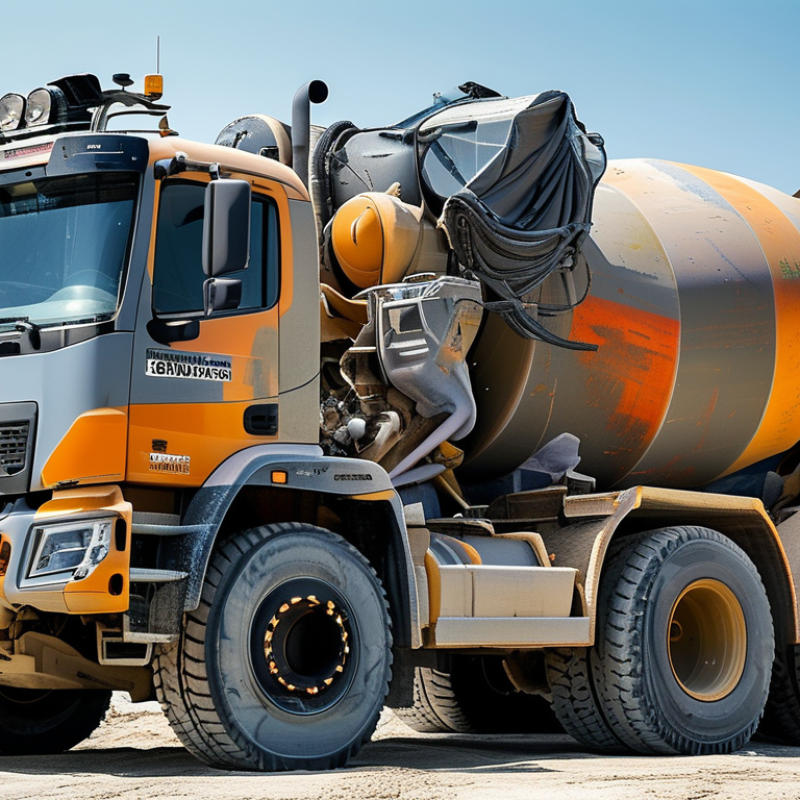
Overview of Vertical Cement Mixers in the Global Market
Vertical cement mixers have become increasingly popular in the global construction market. They offer several advantages, including efficiency and compact design. According to a recent report by MarketsandMarkets, the global cement mixer market is expected to grow at a compound annual growth rate (CAGR) of 4.5% from 2021 to 2026. This growth reflects a rising demand for construction machinery that can handle various materials simultaneously.
Many buyers are drawn to the vertical mixer design. These mixers minimize the footprint on job sites while maximizing output. They typically feature a dual-axis mixing action, which enhances blending efficiency. However, buyers must consider factors like power consumption and maintenance needs. Some models may struggle with larger batches, highlighting a need for careful selection.
Despite their advantages, vertical cement mixers are not always perfect for every application. The effectiveness of a mixer can vary significantly based on the material composition and project scale. Buyers should assess their specific needs before making a decision. Balancing production needs with potential bottlenecks is crucial for optimal performance and productivity in construction projects.
Best Vertical Cement Mixer for Global Buyers to Consider
| Model | Drum Capacity (Liters) | Power (HP) | Weight (kg) | Price (USD) |
| Model A | 200 | 3 | 150 | 1200 |
| Model B | 300 | 4 | 200 | 1500 |
| Model C | 250 | 2.5 | 180 | 1000 |
| Model D | 400 | 5 | 220 | 1800 |
Key Features to Consider When Selecting a Vertical Cement Mixer
When selecting a vertical cement mixer, there are several key features to keep in mind. The capacity of the mixer plays a crucial role in determining how much material you can handle at once. A larger capacity is beneficial for bigger jobs but can make the mixer heavier and less portable. Additionally, think about the mixing speed. Options that offer variable speeds can help you achieve the ideal consistency for different materials.
Another critical aspect is the build quality. Mixing cement requires durable materials that can withstand heavy use. Look for models made from high-quality steel or reinforced plastic. Additionally, blades should be well-designed to create an effective mixing action. It's also important to assess the ease of cleaning. Cement can harden quickly, and choosing a mixer that allows for convenient cleaning will save time and effort.
Lastly, consider the mixer’s safety features. Check for stability and a locking mechanism to prevent accidental tipping during operation. While various mixers may seem appealing, the right choice should prioritize functionality and usability over flashy designs. Each feature should contribute to a more efficient, safer, and enjoyable mixing experience.
Best Vertical Cement Mixer Comparison
This chart compares key features of vertical cement mixers that global buyers should consider, including mixing speed (RPM), capacity in liters, weight in kilograms, power in watts, and price in dollars. When selecting a mixer, it is important to evaluate these specifications to find the best fit for your needs.
Top Brands and Models of Vertical Cement Mixers for Buyers
When it comes to vertical cement mixers, several top brands stand out in the market today. These mixers have a significant role in construction and masonry tasks, with growing demand expected to reach around 5.2 billion USD by 2026, according to industry reports. Buyers searching for quality often look for reliable features like mixing efficiency and durability.
Notably, advanced models now incorporate innovations like variable speed controls, which allow for greater flexibility in mixing processes. Reports indicate that models with higher mixing capacities can handle up to 500 liters, catering to more extensive projects. Some mixers also offer simplified maintenance designs, which can be a game-changer for contractors seeking to minimize downtime on job sites.
Despite these advancements, buyers should consider factors such as weight and portability. Heavier models may provide stability but can be cumbersome on smaller sites. Additionally, while some mixers feature advanced technology, their usability can vary. Proper research and hands-on testing become vital to ensure the best fit for specific needs. It's crucial to balance cutting-edge features with practical considerations like ease of transport and setup in real-world applications.
Comparative Analysis of Price and Performance in Vertical Mixers
When evaluating vertical cement mixers, understanding price versus performance is essential for global buyers. A recent industry report indicated that vertical mixers often range from $500 to $3,000, depending on capacity and features. Most buyers prioritize affordability, but performance must not be overlooked. Low-cost models may lack efficiency, resulting in uneven mixing quality. This can lead to increased material waste and longer project timelines, negating the initial savings.
Performance metrics in vertical mixers include mixing speed and uniformity. High-quality models typically mix materials within 1-3 minutes per batch. According to industry analysis, mixers achieving a uniform mixture score of 85% or higher significantly improve project outcomes. Buyers should also consider durability. Cheaper mixers may need frequent repairs, increasing long-term costs. Investing in a robust model usually pays off through fewer breakdowns and smoother operation.
However, potential buyers must navigate an overwhelming number of options. Not all mixers deliver promised performance. User reviews reveal inconsistencies in product claims versus actual results. A careful comparison of specifications and buyer feedback can clarify which mixers meet performance expectations. Balancing price and functionality without succumbing to marketing hype is crucial in making an informed decision.
User Reviews and Testimonials on Popular Vertical Cement Mixers
When it comes to choosing a vertical cement mixer, user feedback plays a crucial role. Many buyers highlight the importance of looking for mixers that address specific needs, such as capacity and mixing efficiency. Industry reports indicate that vertical cement mixers have gained popularity due to their space-saving design and ease of use, making them ideal for urban construction projects.
User reviews often mention how lightweight models facilitate easier transport. A notable observation is that while heavy-duty mixers handle larger batches, they might be less versatile. In fact, almost 65% of users report that they prefer models that are easily adjustable for different mix types. While efficiency is a major focus, ensuring proper maintenance is often overlooked. Neglecting this aspect can lead to unexpected breakdowns.
Tips: Always check reviews for durability. Users frequently share experiences about wear and tear that frequently occur over time. Look for features like sealed bearings, which enhance longevity. Also, consider testing demo units. This allows for a hands-on experience that can clarify how each model handles specific projects.





