Best Vacuum Pressure Casting Machines for Global Buyers?
In the world of manufacturing, precision and quality stand paramount. The Vacuum Pressure Casting Machine has emerged as a pivotal tool for various industries. It offers manufacturers the ability to create high-quality castings that meet stringent standards. However, not all machines are created equal. Global buyers must navigate a sea of options to find the best fit for their needs.
Many factors influence the performance of a vacuum pressure casting machine. Efficiency, durability, and ease of operation are just a few. Buyers often face challenges in finding machines that deliver consistent results. Some machines may fall short in reliability, leading to increased costs and wasted materials. This article aims to shed light on the best vacuum pressure casting machines available worldwide. It combines expert insights and user experiences, helping buyers make informed decisions.
Investing in a vacuum pressure casting machine is significant. It's essential to choose wisely, considering both short-term needs and long-term goals. The right machine can enhance production quality and reduce errors. However, buyers should also reflect on their specific requirements and limitations. Understanding these aspects is key to achieving success in casting processes.
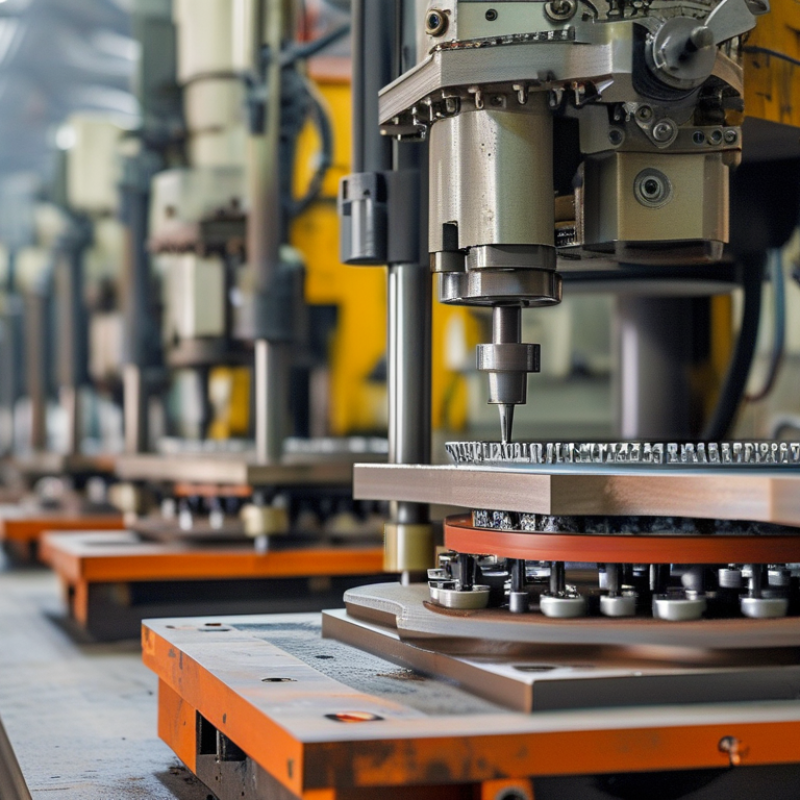
Overview of Vacuum Pressure Casting Machines
Vacuum pressure casting machines play a crucial role in various manufacturing sectors. These machines work by creating a vacuum to eliminate air bubbles during the casting process. This method is effective in producing intricate parts with high precision. Producers benefit from reduced defects and improved material utilization.
Selecting the right vacuum pressure casting machine can be challenging. Factors to consider include machine size, pressure capabilities, and the complexity of parts produced. Additionally, understanding the material compatibility is vital. Issues like overheating or inadequate cooling may arise if the machine is not well-suited for specific materials. Such challenges emphasize the need for thorough research and informed decision-making.
Continuous advancements in technology mean that not all machines are equal. Some may offer features that suit certain applications better than others. Prospective buyers should evaluate their specific needs carefully. The shortcomings of a machine can lead to production delays and increased costs. Even experienced users may find it hard to navigate new functionalities. Thus, ongoing education in this field remains essential.
Key Features to Consider When Buying Vacuum Pressure Casting Machines
When selecting a vacuum pressure casting machine, key features play a vital role. Understanding these can significantly enhance efficiency and quality. Look for machines that offer adjustable vacuum levels. This allows better control over the casting process, yielding finer details in the final product. The size and capacity of the machine also matter, especially for larger projects. Ensure it fits your workspace and production needs.
Material compatibility is crucial in vacuum pressure casting. Choose a machine that can handle a variety of materials. This flexibility helps in adapting to various project requirements. It's also worth considering the ease of use. Machines with intuitive interfaces can streamline the training period and reduce errors.
Tips: Regular maintenance is essential for long-term performance. Schedule checks to ensure proper vacuum levels and mechanical function. Evaluate the warranty and service options as they reflect the manufacturer’s confidence in their machine. Investing in a quality vacuum pressure casting machine could be a game-changer, but reflecting on your specific needs will guide you in the right direction.
Top Brands and Models in the Vacuum Pressure Casting Market
In the vacuum pressure casting market, choosing the right machine is crucial for efficiency and quality. A professional industry report from MarketsandMarkets highlights a 5% annual growth rate in this sector, indicating increasing demand. This growth underscores the need for buyers to be well-informed about top brands and models.
Several leading models stand out due to their innovative features and reliability. These include machines equipped with advanced vacuum systems that minimize air entrapment. They offer precise control over pressure and temperature, essential for high-quality castings. Furthermore, many machines now integrate digital interfaces for easier operation. However, not all options are user-friendly. Some require extensive training to operate efficiently, posing a challenge for new users.
When selecting a vacuum pressure casting machine, focus on several factors. Evaluate user reviews and technical specifications. Ensure that the machine meets specific production needs. Regular maintenance is vital for longevity and performance. Remember, investing in quality equipment can significantly impact your production efficiency. Always prioritize machines that provide a balance of innovation and ease of use.
Best Vacuum Pressure Casting Machines Overview
Global Market Trends and Demand for Vacuum Pressure Casting Machines
The global market for vacuum pressure casting machines is evolving rapidly. According to a recent report by Market Research Future, the vacuum pressure casting equipment market is projected to grow at a CAGR of over 6% from 2021 to 2027. This increase is driven by a surge in demand across industries like automotive, aerospace, and electronics. Manufacturers are increasingly adopting this technology due to its ability to produce high-quality parts with minimal defects.
The demand for vacuum pressure casting machines is particularly influenced by the need for precision components. In sectors such as aerospace, even minor imperfections can be detrimental. A study indicated that nearly 30% of manufacturing defects are attributed to poor casting processes. As companies strive for excellence, the shift towards vacuum pressure casting becomes clearer.
For buyers, it's crucial to pay attention to machine specifications. Understanding features such as vacuum levels and temperature control can significantly impact production quality. Innovating in casting processes is essential; companies might reconsider traditional methods. Prioritizing research into new materials can ensure staying ahead of competitors in this growing market.
Maintenance and Operational Best Practices for Vacuum Pressure Casting Machines
Vacuum pressure casting machines play a crucial role in the manufacturing sector. Regular maintenance is essential for optimal performance. A recent industry report indicates that approximately 30% of downtime in manufacturing can be attributed to equipment failures. Implementing a strict maintenance schedule could dramatically reduce this figure.
Operational best practices also contribute to machine longevity. Keeping the workspace clean can prevent contamination. Moreover, overseeing tool settings helps maintain precision. A study from an authoritative engineering journal found that improper settings could lead to an increase in defect rates by up to 25%.
Despite these practices, operators sometimes overlook basic checks. For example, air leaks can significantly impact the vacuum pressure needed for effective casting. A small survey revealed that only 40% of operators routinely inspect their machines for leaks. Addressing these issues can elevate the casting quality and ensure smoother operations.





