Best Vacuform Mold Solutions for Your Business Needs?
In the competitive landscape of manufacturing, businesses often seek effective solutions for creating high-quality products. One area gaining traction is the use of Vacuform Mold technology. Experts in the field, like John Anderson, a respected figure in the plastics industry, emphasize, “Choosing the right Vacuform Mold can significantly enhance production efficiency and product quality.”
This technology allows for rapid prototyping and flexibility in design, which is crucial for businesses that need to respond quickly to market demands. However, not all Vacuform Mold solutions are created equal. Companies must carefully evaluate their unique needs to find molds that fit their specific applications.
Additionally, while Vacuform Mold provides many advantages, it is essential to address potential shortcomings. Some molds may have limitations in durability or complexity. Reflecting on these aspects can help businesses make informed decisions. Ultimately, the right Vacuform Mold solution can lead to successful outcomes and sustainable growth.
Understanding Vacuform Molding and Its Applications in Business
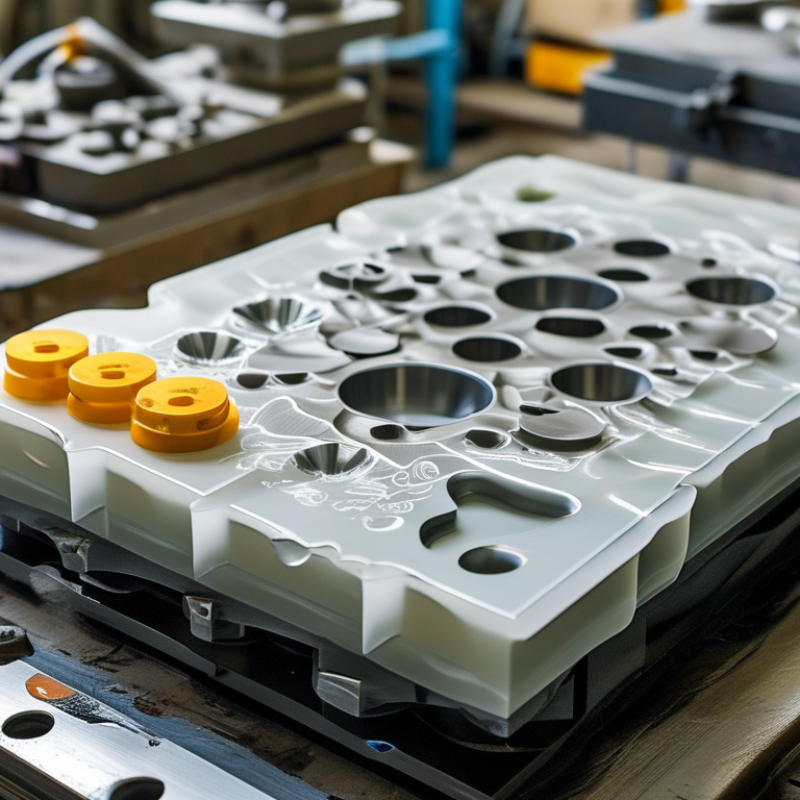
Vacuform molding is a versatile technique used in various industries. It involves heating a plastic sheet until pliable and then forming it over a mold. This method is efficient for creating large quantities of items, such as packaging, prototypes, and custom parts.
Businesses often turn to vacuform molding due to its cost-effectiveness. The process is relatively quick, allowing for fast production times. Additionally, it can produce intricate designs and shapes, making it ideal for both functional and aesthetic applications. However, challenges can arise. For instance, achieving the right temperature is crucial. If the plastic is too hot or too cool, the final product may not meet quality standards.
Understanding the capabilities and limitations of vacuform molding is essential. It is not suited for every application. For complex geometries or high-strength requirements, alternative methods may be necessary. Businesses should consider their specific needs and reflect on the balance between cost and quality when choosing vacuform solutions.
Key Factors to Consider When Selecting Vacuform Mold Solutions
When selecting vacuform mold solutions, several key factors demand attention. The material used for the molds is crucial. Different plastics have varying properties that impact durability and flexibility. Understand the specific requirements of your product. Sometimes, you may need a heavier-duty option, while lighter materials suffice for other projects. Identifying the right material can save time and costs in the long run.
Another aspect to consider is the mold design. A well-thought-out design can enhance the production process. It minimizes waste and ensures a quality finish. Complex shapes may require more intricate molds, often increasing costs. Reflect on your design capabilities and the potential trade-offs between cost and quality. The choice between custom and standard molds also factors into your decision. Custom molds offer precision but come with higher initial investments. On the flip side, standard molds may limit your product's uniqueness.
Finally, assess the supplier's experience and track record. A partner with a solid reputation can provide valuable insights and support throughout your project. Look for reviews or case studies that reflect their expertise. However, even reputable suppliers may have flaws. Communication can sometimes break down, leading to misunderstandings. This aspect requires constant vigilance and collaboration to ensure the outcomes align with your vision.
Best Vacuform Mold Solutions for Your Business Needs
Types of Materials Used for Vacuform Molds in Different Industries
Vacuform molds are essential in various industries, providing unique advantages. Different materials contribute to their effectiveness. Thermoplastics, such as ABS and PVC, are commonly used. They offer flexibility and strength, making them ideal for prototypes and packaging. These materials are lightweight and easily shaped, ensuring precise results.
In the automotive industry, polyurethane is often chosen for its durability. This material withstands stress and heat, crucial for automotive parts. However, the cost can be higher than other options. Additionally, some users find it challenging to work with due to its rigidity.
Regarding food packaging, PET is a preferred choice. It is safe for food contact and provides clarity. Yet, one must consider its recycling aspects. Often, businesses face challenges in sourcing high-quality PET. In the consumer products sector, polycarbonate offers strength and transparency but can be costly. Businesses may need to weigh the benefits and challenges when selecting materials.
Cost-Effectiveness: Evaluating Vacuform Mold Investments for Businesses
When evaluating vacuform mold investments for your business, cost-effectiveness is paramount. Businesses must consider both initial costs and long-term benefits. While high-quality molds might seem expensive at first, their durability can lead to significant savings over time. Consider mold lifespan and consistency in production quality. A mold that performs well reduces waste and enhances productivity.
However, not all vacuform solutions suit every business. Each industry has unique requirements that influence mold design and materials. Some businesses may find themselves overspending on complex shapes that do not yield a substantial return. It's essential to analyze specific project needs before making a decision. Seeking feedback from industry specialists can offer insights but may also highlight biases based on their experiences. Balancing expert recommendations with your circumstances is crucial.
Hence, a careful assessment of your own production processes is necessary. Regular evaluations can reveal inefficiencies. Are the molds meeting production goals? Are they flexible enough for future projects? Reflecting on these questions allows you to make informed, strategic investments in vacuform molds that enhance your operations.
Top Providers of Vacuform Molding Services and Their Offerings
Vacuform molding is a vital technique for various industries, including packaging, automotive, and consumer products. Understanding the best providers of vacuform molding services can enhance your business operations. According to industry reports, the global vacuform packaging market is expected to grow significantly, reaching over $37 billion by 2026. This growth reflects the rising demand for lightweight and cost-effective solutions.
Several key players in the molding industry leverage advanced technologies. Many offer custom solutions, enabling flexibility in design and production. A drive for sustainability is also evident. Some providers have begun using recycled materials to create their molds. However, not all companies prioritize eco-friendly practices, making it essential to evaluate providers thoroughly. A recent survey indicated that 42% of businesses found a gap in their supplier’s sustainability commitments.
Quality assurance remains a concern. While many vacuform providers boast quick turnaround times, speed can compromise quality. A balance between efficiency and precision is crucial. Not every project fits a standard mold, necessitating a thoughtful approach from the provider. Feedback from industry leaders emphasizes the importance of aligning partner capabilities with specific project requirements. A provider's reliability and accountability in the production process significantly impact overall success.
Best Vacuform Mold Solutions for Your Business Needs
| Provider Type | Material Options | Lead Time (Days) | Minimum Order Quantity | Additional Services |
| Custom Manufacturer | ABS, PVC, Polycarbonate | 10 - 15 | 50 | Prototype Development |
| Industrial Supplier | Polystyrene, PLA, Polyethylene | 7 - 12 | 100 | Design Consultation |
| Small Business | Acrylic, Nylon | 15 - 20 | 20 | Short Runs |
| Large Scale Manufacturer | Polypropylene, PETG | 5 - 10 | 1000 | Mass Production |
| Prototype Service | HIPS, TPU | 8 - 14 | 10 | Rapid Prototyping |





