10 Best Undermount Kitchen Sinks for Global Buyers
Choosing an Under Mount Kitchen Sink is more than selecting a deep basin for washing dishes. It affects countertop continuity, cleaning habits, cabinet space, and long-term maintenance. The best choice must fit real kitchens, not only showroom images.
Houzz’s 2024 U.S. Kitchen Trends Study identifies undermount sinks as the leading sink style among renovating homeowners, with adoption reported at roughly two-thirds of projects. The National Kitchen & Bath Association also continues to report strong demand for practical, durable kitchen upgrades. Market research from Grand View Research points to steady global growth in kitchen fixtures, supported by remodeling activity and premium home improvements. These figures offer useful direction, but they do not make every model suitable for every buyer.
“An undermount sink creates a clean, uninterrupted line between the countertop and the sink,” says Peter Salerno, a certified master kitchen and bath designer. That detail matters when crumbs are swept directly into the basin. It matters more when stone edges, drainage, and installation quality are overlooked. This guide compares ten leading options for global buyers, considering material, bowl depth, noise control, accessories, warranty support, and installation requirements. Stainless steel may suit busy family kitchens. Fireclay can provide visual warmth, but it demands careful handling. Composite granite offers texture, yet darker finishes may reveal mineral marks. No sink wins everywhere. Country-specific cabinet sizes, plumbing standards, and water hardness can change the final decision. The rankings are useful, but they are not absolute.
What Is an Undermount Kitchen Sink?
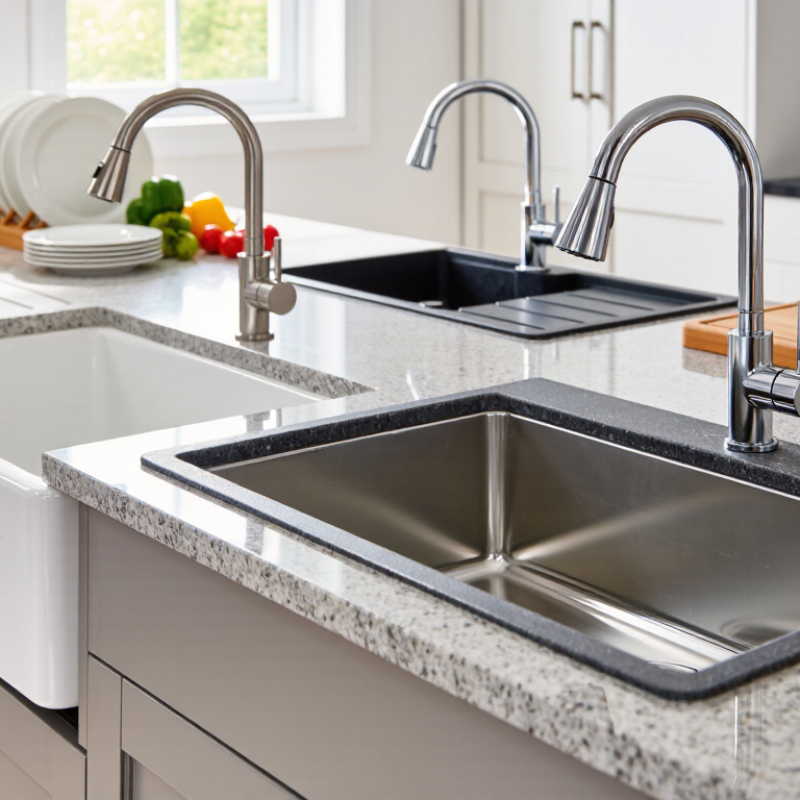
An undermount kitchen sink is installed beneath the countertop, rather than resting on top of it. The countertop edge remains visible, creating a smooth transition into the basin. Crumbs and water can be wiped directly into the sink. No raised rim gets in the way. It is a small detail, but you notice it during daily cleanup.
Installation depends on the countertop material and a secure mounting system. Stone and other solid-surface counters commonly support this design; the sink’s weight needs reliable support below. The exposed cutout edge should also be finished to resist moisture. A careless fit can invite leaks or damage. Not ideal.
Houzz’s 2024 U.S. Kitchen Trends Study reported that 65% of renovating homeowners chose an undermount sink, making it the most popular sink style in that survey. That figure reflects surveyed U.S. projects, not every global market. Buyers should check cabinet width, basin depth, faucet placement, and local countertop options before choosing. Also consider whether the sink can be reached comfortably for cleaning; a seamless edge looks neat, but it does not make maintenance disappear.
How to Compare Materials, Sizes, Shapes, and Configurations
Choosing an undermount kitchen sink starts with the counter, not the showroom photo. Stone and solid-surface counters generally support this installation well, but confirm the fabricator’s requirements before ordering. Stainless steel is relatively light and forgiving; fireclay and cast iron are heavier, so cabinet support matters. Gauge, finish, and sound-dampening pads also affect daily use. A thin steel basin may feel louder when a pot slips. It is a small detail, until dinner gets busy.
Measure the cabinet’s interior width, then allow space for mounting clips and plumbing. A deep, wide bowl can handle baking sheets, but it may reduce storage below and feel awkward for shorter users. Single-bowl sinks offer uninterrupted room; divided configurations separate washing tasks, though a divider can obstruct large pans. Rounded corners are easier to wipe than tight square corners. Check drain position, too: a rear-set drain can leave more usable cabinet space, but may not suit every layout. One measurement is easy to miss. Compare basin dimensions, not only the outer rim, and ask how the edge will be sealed against the countertop. A careful fit matters more than a dramatic shape.
Installation Requirements for Different Countertop Types
Undermount sink installation depends on the countertop material, not just the sink dimensions. Natural stone and engineered quartz usually support undermount mounting when the cutout is accurately finished and the cabinet provides enough clearance. A fabricator should confirm the sink’s rim shape, mounting system, and required support before cutting. Stone is heavy. A full sink adds more weight.
Solid-surface counters can often accept undermount sinks, but the joint must follow the material supplier’s guidance. Concrete counters need planned reinforcement and a carefully sealed opening. Wood counters require durable sealing around the cutout, with regular checks for moisture damage. Standard laminate is usually unsuitable for a conventional undermount installation because its exposed core can absorb water. Some specialized systems exist, but compatibility must be verified.
Tips: Measure the cabinet interior, plumbing space, and countertop thickness before ordering. Use the sink template, not a rough estimate. Check that clips or support rails fit beneath the counter, and ask the fabricator how the sink will be supported during curing. Keep the sealant specification on hand. Even careful work can leave a small gap, so inspect the rim after installation and address uneven contact promptly.
10 Best Undermount Kitchen Sinks for Global Buyers
Choosing an undermount kitchen sink for an international project takes more than comparing photographs. Measure the cabinet’s clear interior, countertop opening, and drain position before selecting a model. A deep single bowl can handle baking trays, while divided bowls help separate rinsing and food preparation. Check the stated dimensions carefully; “standard” does not mean the same thing in every market.
Material affects weight, noise, and care. Stainless steel is relatively light and suits many busy kitchens, but its finish can show water marks. Composite and fireclay options may offer a different look, though their weight and installation requirements deserve attention. Confirm that the countertop material can support an undermount installation, and ask a qualified installer about sealing and support. A small mismatch can become an expensive inconvenience.
Tips: Request a dimensioned drawing, cutout template, and installation instructions before ordering. Confirm drain compatibility, included fittings, packaging protection, and delivery timelines with the supplier. If possible, compare the sink’s usable bowl dimensions—not just its outside size—with your largest pot. Reviews can help, but they may not reflect your local water conditions or cabinet construction. I would not skip that last check.
Maintenance, Durability, and International Buying Factors
For global buyers, an undermount sink must handle daily wear and varied water conditions. Stainless steel is practical, but gauge alone does not guarantee durability. Check the basin’s finish, corner radius, sound-dampening pads, and mounting hardware. A World Stainless Association report put global stainless-steel production at about 58.4 million tonnes in 2023. That shows a broad industrial supply base, not that every sink meets the same standard. Ask suppliers for material specifications, installation drawings, and test documentation. Salt, hard water, and abrasive cleaners can leave marks or accelerate surface damage.
Tips: Match care advice to local water quality. Dry the rim after use, especially where mineral deposits are common. Confirm that the cabinet can support a water-filled basin and heavy cookware. For cross-border orders, compare the sink’s cutout dimensions, drain position, packaging, and replacement-part availability before purchase. Small mismatches become expensive. I would not rely on polished product photos; they hide the underside and mounting details.
Durability also depends on correct installation. An uneven countertop or weak adhesive can stress the joint, even when the basin is well made. Request clear instructions for the countertop material and approved sealants. Check whether the supplier can provide spare clips and compatible drains in your market. One detail is easy to overlook: shipping protection. A dented rim may prevent a flush fit, and inspection after delivery is worth the extra few minutes.





