


The referenced articles were not included, so I can’t verify an industry report or an expert’s exact quotation. Please provide the source material, or allow me to write the introduction without an attributed quote.
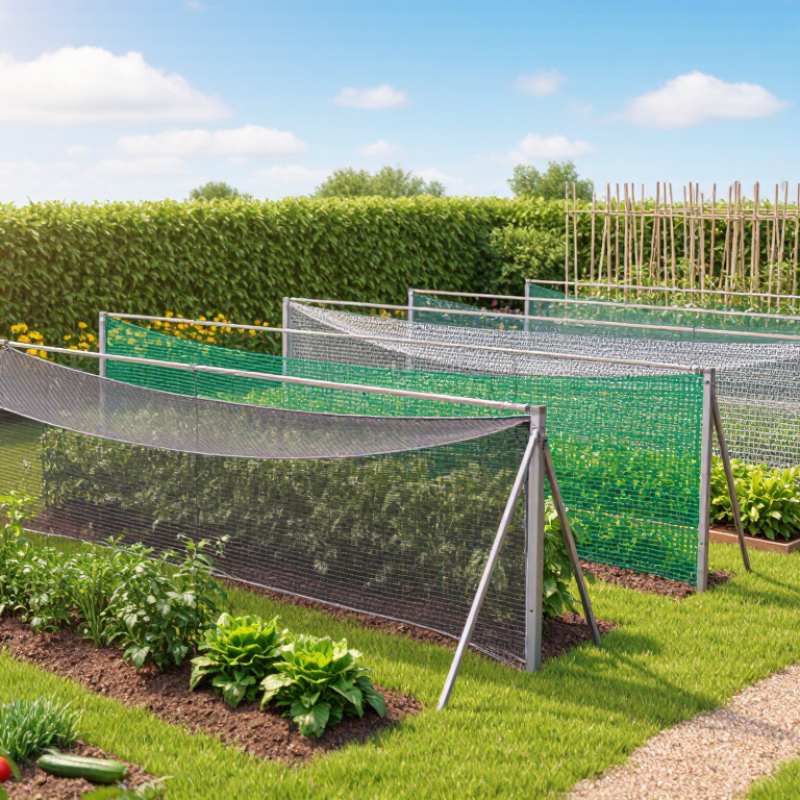
Garden sun screen netting is a woven mesh that reduces the intensity of direct sunlight. Its threads intercept and scatter some incoming light, while open spaces let air pass through. The result is softer light and less heat on exposed leaves and soil. The level of shade depends on the mesh density, so check the product’s stated shade rating rather than judging by color alone. Not waterproof. Rain can usually pass through, though dense mesh may slow it.
In a vegetable bed, netting can be stretched over hoops to create a small shaded tunnel. Leave space between the cover and foliage, and secure the edges so wind cannot lift them. Air movement matters. Trapped warm air can stress plants, especially on still afternoons. Watch the leaves and soil after installation: pale, scorched patches may signal too much sun, while weak, stretched growth can mean too little. A common misjudgment is covering every plant equally. Seedlings may welcome shade during a hot spell, but fruiting crops often need plenty of light. Adjusting the cover by season is useful, though it takes some trial and error.
There is no single best shade rating for every garden. A 30–50% shade net is a practical starting point for many mixed vegetable gardens; sun-loving crops generally need less shade, while seedlings and heat-sensitive plants may benefit from more. The sunlight-transmission values shown are calculated as 100% minus the nominal shade rating. Actual results vary with the net’s weave, color, and growing conditions.
The best garden shade netting matches the crop, local heat, and sunlight—not simply the darkest available mesh. University of Georgia Cooperative Extension greenhouse guidance gives 30–50% shade as a common starting range for many crops. Leafy greens may benefit from stronger protection during hot spells, while fruiting plants often need more light. A 50% rating means the net blocks about half of incoming light under rated conditions; it does not guarantee the same temperature drop in every garden. Check the label, then watch for leggy stems or pale leaves, signs that plants may be getting too little light.
Material and installation matter, too. UV-stabilized polyethylene is a practical choice for outdoor use, but lifespan varies with sun exposure, wind, and handling. Choose a mesh that allows airflow, and leave space between the net and foliage so leaves do not stay damp after rain. A tightly stretched net can also tear when gusts hit. I would test a small bed first; garden conditions rarely behave as neatly as product ratings suggest.
What Is the Best Type of Garden Sun Screen Netting?
Comparing Common Types of Garden Sun Screen Netting
Knitted polyethylene netting is a practical choice for vegetable beds: it is light, flexible, and less likely to unravel when cut. Woven netting is often sturdier, but frayed edges can be a nuisance. Reflective aluminized screens bounce away some radiant heat, making them useful over exposed patios or heat-sensitive crops. They can cost more and may reduce airflow if installed too low. Color matters less than the shade rating and placement. A 50% rating means the net blocks roughly half the incoming light, not half the heat.
University of Arizona Cooperative Extension guidance puts many vegetable-garden applications in the 30–50% shade range, depending on crop and conditions. That is a useful starting point, not a universal rule: leafy greens may welcome more protection, while fruiting crops often need stronger light. I still see gardeners choose the darkest net for the hottest spot. That can leave tomatoes pale and slow. Measure midday sun, then check plants again after installation.
Tips: Start with removable 30–40% knitted netting for mixed beds. Keep it several inches above foliage, secure the edges, and leave open sides for airflow. Watch for stretched stems or fewer flowers; both can signal too much shade.
Match shade percentage to the crop, season, and afternoon heat—not just the net’s color. Clemson Cooperative Extension guidance places many vegetables in the 30–50% shade range. A 30% net suits sun-loving tomatoes and peppers during hot spells, while leafy lettuce and spinach often benefit from 40–50% protection in midsummer. Check the net label: a 40% shade rating means it blocks about 40% of incoming sunlight. Keep airflow open around the bed.
Watch the plants, too. Pale, stretched stems can signal excessive shade; crisp leaf edges and midday wilting may indicate heat stress. Young seedlings are more sensitive than established plants, so start with moderate coverage and adjust after several sunny days. Small detail: measure light at plant height, not above the net. I have seen growers choose a heavier cloth for “extra protection,” then wonder why flowering slows. That choice can backfire. Shade needs also shift with latitude, cloud cover, and the angle of the afternoon sun, so treat extension ranges as starting points, not fixed rules.
| Plant or Garden Use | Typical Light Preference | Suggested Shade Net | When This Shade Level May Help |
|---|---|---|---|
| Lettuce and other leafy greens | Sun to partial shade; growth can suffer in hot conditions. | 30–50% shade | Use during hot, bright weather to reduce heat and slow premature flowering. Choose the lower end in milder conditions. |
| Spinach and cool-season greens | Sun in cool weather; partial shade during heat. | 30–50% shade | Helpful as temperatures rise, while maintaining enough light for continued growth. |
| Tomatoes | Full sun in most growing conditions. | 20–30% shade | Consider light shade during intense heat or heat waves. Too much shade can reduce flowering and fruit production. |
| Peppers | Full sun; may benefit from protection from extreme heat. | 20–30% shade | Can reduce sun stress in very hot climates. Monitor plants and remove or reduce shade if growth becomes weak. |
| Cucumbers and other heat-sensitive fruiting vegetables | Full sun to partial shade, depending on climate. | 20–30% shade | Useful during hot spells when leaves show heat stress; avoid heavy shade that limits flowering and fruiting. |
| Basil and similar culinary herbs | Usually full sun; afternoon shade can help in very hot areas. | 20–30% shade | Use temporarily in extreme heat or strong afternoon sun. In cooler conditions, these plants generally need more direct light. |
| Newly transplanted seedlings | Bright light, with gradual adjustment to outdoor sun. | 30–50% shade | Provides temporary protection while seedlings acclimate. Gradually reduce shade as plants become established. |
| Ferns and many shade-loving foliage plants | Indirect or filtered light; direct midday sun may scorch foliage. | 50–70% shade | Suitable for bright, exposed garden areas where plants need substantial protection from direct sunlight. |
| Shade-loving outdoor container plants | Bright shade or filtered light, depending on the species. | 40–60% shade | A moderate starting range for containers in sunny locations; adjust according to plant response and local conditions. |
| Sun-loving plants during unusually intense heat | Normally full sun. | 20–30% shade, used temporarily | Can provide short-term relief from extreme afternoon sun without making the growing area persistently too dark. |
Note: Shade percentage indicates the approximate portion of sunlight blocked by the net. Recommendations are starting points; plant variety, climate, season, and net height can affect the best choice. Check plant growth and adjust the shade level as needed.
What Is the Best Type of Garden Sun Screen Netting?
Installation and Care for Garden Sun Screen Netting
A suitable screen is only useful if it fits the garden’s needs. Check the stated shade percentage and choose one that suits the plants and local summer conditions. Leafy greens may need different light levels than sun-loving tomatoes. Measure the area before buying, and leave room to fasten the edges without stretching the fabric hard.
Use sturdy posts, a frame, or another stable support to carry the netting. Secure it with clips or ties spaced along the edges, rather than relying on a few corner knots. Keep it taut. A loose panel can flap in wind and rub against stems, while excessive tension may strain the fabric or supports. Leave enough clearance for airflow and plant growth. Check after rain.
Inspect the netting periodically for loose ties, small tears, and sagging sections. Repair minor damage early with a suitable patch or replacement tie. Brush away leaves and dirt gently; harsh scrubbing can weaken some materials. If the screen is removable, let it dry before storing it in a cool, dry place. I would not assume one installation suits every yard: wind exposure and changing plant height can call for adjustments during the season.



For those larger-sized parts, or smaller quantity runs, we have 2 independent powder coat booths and ovens. The quality, durability and affordability of today’s powder coating finishes make this the process of choice for world-class companies.
Powder coating advantages over other forms of coating are many. Materials used in the Powder coating process can be metals and non-metals that come in a multitude of thicknesses, textures, colors, etc. Another of Powder coating’s biggest advantages over conventional coatings is its ability to create finishes in many different textures. Powder Coating Booths allow us the ability to apply these advantages to large products.
Tri-State Fabricators runs a full-service conveyor line for painting. Wet painting can provide protection or decoration to many different part styles. From start to finish, every project is easier to undergo random and point-based inspection by our skilled painting team.
Advantages to our Wet Paint Line are these lines start with product prep and ends with a thorough inspection of a high quality finished product. Our ability to complete large and small projects with a superior finish and doing so in a timely and economical fashion. This passes along the savings in production to our customers. When powder coating ins not an option, our Wet Paint Line gets the job done right the first time.
When the parts get big and heavy we roll-out our custom paint racks and oversize booth. By utilizing our partnerships with all the major paint brands, we can match virtually any color with wet paint.
The advantages of having access to a Wet Paint Booth are many. Large projects of many different shapes can be loaded into the booth. The Wet Paint Booth offers an environment that is much more controlled than a typical parts painting operation.
Not only are they used because of their controlled environment, but they’re are also advantageous when it comes to applying paint to parts that are needed in industries that require specialty coatings such as medical, aerospace, etc.
Our military forces have some very high standards when it comes to the finish of their vehicles and equipment. From the first pre-treatment step to final coat, it takes a great deal of knowledge and experience to protect the men and women of our armed forces. They deserve only the best, and Tri-State Fabricators provides it.
All of our processes are closely monitored by our staff and management teams. Both of which are highly trained in the processes of metal fabrication and finishing. Tri-State Fabricators’ goal is to always fully satisfy each and every customer, including the military. We will always put a 110% into what we do.
Abrasive media blasting is an excellent way to remove old paint, rust, and increase the paint/powder adhesion. Glass beads produce a much smoother and brighter finish than angular abrasives; leaving the part clean yet without any dimensional change. Chemically inert and environmentally friendly, we can recycle our beads approximately 30 times; making them a more preferred method of metal cleaning or surface finishing.
Advantages to Glass Bead Blasting are many. Glass bead blast media is used when a project is needing rough surfaces need to become smooth for applications of coatings such as paint. It is typically used to clean paint and rust from a product surface without deforming the surface it is being used on. Overall, compared to many other blasting media, Glass Bead Blasting is a very economical choice and those savings are always passed on to our customers.
Tri-State Fabricators utilize a zinc phosphate wash to clean and etch the material to ensure the best paint adhesion possible. The unique design of our 3-stage wash system does the work like a 5-stage. From Cleaning and rinsing to conversion coating and post-treatment, Our Part Washing process is a complete service and works throughout the fabrication service and the finishing service.
Along with the previously mentioned benefits, Curing is a vital chemical reaction that leaves the product finish hard and relatively safe from mild abrasion and aggressive corrosion. This process can be done in more than one way; ambient air-dry or in curing ovens at temps that exceed 240°.
From fixing paint mistakes (someone else’s of course) to simply cleaning our paint line hooks, our burn-off oven is put to good use. After a quick burn-off, a little clean up, and a fresh coat of paint, your parts will look better than new.
Why does our Burn-Off Oven work so well? Because super heating the air around parts turns the materials into ashes. From paint and powder coatings to rubber and machining oils, high temps do the job without degrading the integrity of the part.
Masking is a vital part of producing high quality products. We have die-cut masking patterns to protect machined surfaces as well as a wide range of plugs and caps to protect threaded holes and bolts. We provide permanent and temporary masking.
Masking allows the selected sections of a product to be protected from a fabrication or finishing service. This can be with both chemicals when etching and tapes, paints when only finishing just a section of the product. Masking is great in aiding the customization process of a project.
Screen printing is a photographic process that transfers artwork onto a porous nylon screen which allows colored ink to flow through the screen and be deposited on an aluminum or plastic component. We can generally have just about any design created onto a screen for your parts.
Some of the advantages of Screen Printing are, brand recognition for your business displaying on your products, assembly instructions, product warnings/hazards, etc. Tri-State Fabricators produces Screen Printing of the highest quality so you know it’s durable.
Metal Finishing is the art of treating the exterior portion of product, often metal but can also be made of other materials, so that the surface is clean and free of any debris. Then the process of applying coats or either paint of powder coat takes place. This coating process improves the quality of the product in both appearance and resistance to wear and corrosion.
Tri-State Fabricators, Inc., understands that a project typically isn’t complete until a high-quality finish has been added to your product. This is why our painting and powder coating teams continuously inspect the products throughout the Metal Finishing process.