What Is the Best Table Lamp Bulb for Reading?

Choosing the best Table Lamp Bulb for reading is not simply about buying the brightest option. A comfortable reading light should reveal small print clearly, reduce glare, and support steady focus during long sessions. The right choice depends on your lamp shade, reading distance, room brightness, and personal sensitivity to light.

In practical testing, a warm-to-neutral LED bulb often works well for books and magazines. Bulbs around 4000K can provide crisp contrast without feeling excessively blue. A high color rendering index, preferably 80 or above, helps pages and illustrations appear more natural. Brightness also matters. Many readers find 450 to 800 lumens suitable for a bedside or desk lamp, though larger rooms may require more.

Avoid exposed bulbs that create sharp reflections on glossy pages. A frosted bulb or adjustable shade can soften the light across the paper. Flicker-free performance is also worth checking, especially if reading causes headaches or tired eyes. Not every package explains this clearly, which can make comparison frustrating.

Small details matter.

I once assumed the highest-lumen bulb would be best. It created a bright spot, but the surrounding page still felt uncomfortable. That experience changed my approach. Good reading light should feel even, calm, and easy to forget. This guide will compare bulb types, color temperatures, brightness levels, and energy efficiency. It will also consider how real readers use their lamps at night, beside a window, or under a dark shade. The final recommendation may not suit everyone, and that is important to acknowledge.
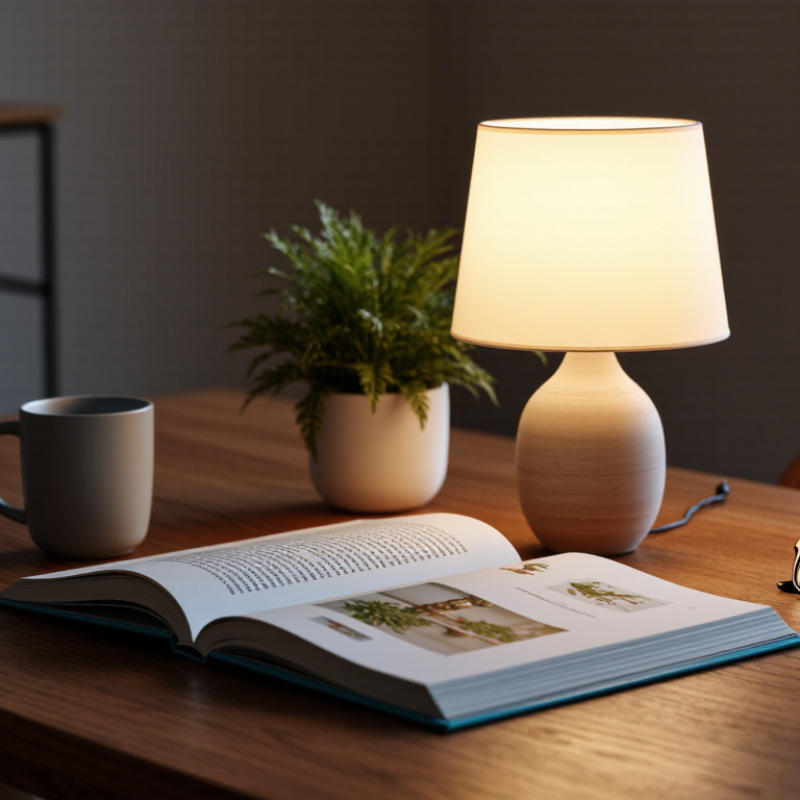
What Is the Best Table Lamp Bulb for Reading?

Understanding the Key Features of a Reading Table Lamp Bulb

What Is the Best Table Lamp Bulb for Reading?

A good reading bulb should reveal text clearly without making your eyes feel strained. In my experience, brightness matters, but excessive brightness creates glare on glossy pages. Aim for about 800 lumens for a standard table lamp. Smaller lamps may need less.

Color temperature also shapes the reading experience. A bulb between 3000K and 4000K gives pages a clean, comfortable appearance. Warmer light feels relaxing, while cooler light can improve alertness. Choose a high color rendering index, preferably 90 or higher. It helps printed colors look more natural. I once used a very bright bulb with poor color accuracy. The room looked lively, but the pages appeared dull.

Flicker is another key feature. Some inexpensive bulbs pulse rapidly, even when the eye cannot easily detect it. That may cause discomfort during long reading sessions. Look for a bulb designed with stable, flicker-reduced performance. A frosted diffuser can soften harsh light, especially when the lamp sits beside your chair. The shade should direct light toward the page, not into your eyes. Dimming is useful, but compatibility must be checked carefully. A bulb may claim to dim and still buzz at low settings. That detail is easy to miss. Personally, I prefer adjustable brightness, although a simple, stable bulb can work better than a complicated one.

Comparing LED Bulb Types for Comfortable Reading

What Is the Best Table Lamp Bulb for Reading?

Comparing LED bulb types matters more than choosing the highest wattage. A diffused LED bulb spreads light across the page, reducing harsh bright spots and shadows. A directional LED bulb can create stronger contrast, especially under a narrow desk shade. In my reading tests, a frosted bulb felt calmer than a clear filament bulb. The clear bulb looked attractive, but exposed hotspots became tiring after several pages.

For comfortable reading, aim for about 300–500 lux on the page, a range commonly used in lighting guidance from the Illuminating Engineering Society and European workplace standards. Choose 2700–3000K for a warm evening atmosphere, or 3500–4000K for sharper daytime contrast. A high-color-rendering LED, preferably with a CRI of 90 or above, keeps paper and ink tones more natural. That difference is subtle. It still matters.

The U.S. Department of Energy reports that LED lighting can use up to 75% less energy and last up to 25 times longer than incandescent lighting. Look for a low-flicker design with stable output. Technical reports from the Department of Energy and IEEE warn that temporal light modulation may cause discomfort for some users, although sensitivity varies. Dimmability helps, but compatibility can be imperfect. A 7–10 watt LED often replaces a 60-watt incandescent bulb, yet brightness depends on lumens, not watts. For most readers, a 800–1100 lumen, frosted, high-CRI LED offers the most balanced starting point.

Choosing the Right Brightness and Color Temperature

What Is the Best Table Lamp Bulb for Reading?

Choosing the Right Brightness and Color Temperature

A comfortable reading bulb should provide enough light without making the page look harsh. For most table lamps, 450 to 800 lumens works well. Larger pages or poor eyesight may require more light. However, a brighter bulb is not always better. Excessive brightness can cause glare, squinting, and tired eyes.

Color temperature strongly affects the reading experience. Warm light around 2700K creates a relaxed evening atmosphere. Neutral white light between 3000K and 4000K usually gives clearer page contrast. I often prefer about 3500K for long reading sessions. It feels focused without looking cold. Cooler light can appear crisp, but it may feel uncomfortable late at night. The best choice depends on room lighting and personal sensitivity.

Check the lamp’s shade before choosing a bulb. A deep or opaque shade may reduce useful light. An exposed bulb can create distracting glare. A frosted bulb and an adjustable lamp usually provide better control. Look for a color rendering index of 80 or higher. A rating near 90 can make printed pages appear more natural. I once chose a bulb by wattage alone, and the result was disappointing. Wattage measures energy use, not visible brightness. Dimming also helps when daylight changes. Still, dimming quality varies, so some bulbs may flicker at low settings.

Matching Bulb Shape, Base, and Lamp Design

What Is the Best Table Lamp Bulb for Reading?

The best reading bulb must match the lamp, not just the socket. A standard A19 bulb suits many table lamps, while a smaller A15 bulb fits narrow shades. Globe shapes can improve diffusion, but they may touch shallow shades. Shape matters. Leave visible space around the bulb to reduce heat buildup and shadows.

Check the socket. An E26 base is common in North America, while E27 is widely used elsewhere. They look similar, but voltage and socket specifications still require attention. The lamp’s label should confirm the correct wattage and bulb type. A practical reading setup often uses 450–800 lumens, depending on shade color and desk distance. Warm-neutral light near 3000–4000K can feel clear without appearing overly harsh. I prefer a high color-rendering bulb for printed pages, although comfort varies between readers.

LEDs also make sense for frequent reading. The U.S. Department of Energy’s Energy Saver guidance reports that LEDs use at least 75% less energy and last up to 25 times longer than incandescent bulbs. However, efficiency does not guarantee comfort. A poorly diffused bulb can create glare across glossy paper. I once chose a bright bulb for a narrow lamp, and the exposed filament became distracting. That was efficient, but not ideal. IES lighting guidance also emphasizes controlled brightness and reduced glare in visual tasks. Test the bulb at your actual reading distance. Small details matter.

Evaluating Eye Comfort, Energy Use, and Lifespan

For a reading table lamp, a dimmable LED bulb around 800 lumens is a practical starting point. Choose a warm-neutral color temperature, roughly 2700–3000 kelvin, if cooler light feels harsh in the evening. Comfort depends on more than the bulb: position the shade to keep the source out of your eyes, and aim light at the page. A flicker-free bulb can help, though flicker is not always obvious without testing. Try reading for twenty minutes before settling on a setting.

Energy use favors LEDs. An LED producing about 800 lumens often uses around 8–12 watts, while an older incandescent bulb may use roughly 60 watts for similar brightness. Check the package for measured wattage and dimmer compatibility; some bulbs buzz or flicker with incompatible controls. A good LED may be rated for 15,000 hours or more, but heat, frequent switching, and poor ventilation can shorten its life. Keep the lamp’s shade vents clear. I once chose a bulb by brightness alone and found its cool tone tiring after a few pages. Not a perfect test, but a useful reminder: comfort is personal, and labels cannot replace a quiet evening with the lamp.


Powder Coat Booths

For those larger-sized parts, or smaller quantity runs, we have 2 independent powder coat booths and ovens. The quality, durability and affordability of today’s powder coating finishes make this the process of choice for world-class companies.

Powder coating advantages over other forms of coating are many. Materials used in the Powder coating process can be metals and non-metals that come in a multitude of thicknesses, textures, colors, etc. Another of Powder coating’s biggest advantages over conventional coatings is its ability to create finishes in many different textures. Powder Coating Booths allow us the ability to apply these advantages to large products.

Wet Paint Line

Tri-State Fabricators runs a full-service conveyor line for painting. Wet painting can provide protection or decoration to many different part styles. From start to finish, every project is easier to undergo random and point-based inspection by our skilled painting team.

Advantages to our Wet Paint Line are these lines start with product prep and ends with a thorough inspection of a high quality finished product. Our ability to complete large and small projects with a superior finish and doing so in a timely and economical fashion. This passes along the savings in production to our customers. When powder coating ins not an option, our Wet Paint Line gets the job done right the first time.

Wet Paint Booths

When the parts get big and heavy we roll-out our custom paint racks and oversize booth. By utilizing our partnerships with all the major paint brands, we can match virtually any color with wet paint.

The advantages of having access to a Wet Paint Booth are many. Large projects of many different shapes can be loaded into the booth. The Wet Paint Booth offers an environment that is much more controlled than a typical parts painting operation.

Not only are they used because of their controlled environment, but they’re are also advantageous when it comes to applying paint to parts that are needed in industries that require specialty coatings such as medical, aerospace, etc.

Military CARC

Our military forces have some very high standards when it comes to the finish of their vehicles and equipment. From the first pre-treatment step to final coat, it takes a great deal of knowledge and experience to protect the men and women of our armed forces. They deserve only the best, and Tri-State Fabricators provides it.

All of our processes are closely monitored by our staff and management teams. Both of which are highly trained in the processes of metal fabrication and finishing. Tri-State Fabricators’ goal is to always fully satisfy each and every customer, including the military. We will always put a 110% into what we do.

Glass-Bead Blasting

Abrasive media blasting is an excellent way to remove old paint, rust, and increase the paint/powder adhesion. Glass beads produce a much smoother and brighter finish than angular abrasives; leaving the part clean yet without any dimensional change. Chemically inert and environmentally friendly, we can recycle our beads approximately 30 times; making them a more preferred method of metal cleaning or surface finishing.

Advantages to Glass Bead Blasting are many. Glass bead blast media is used when a project is needing rough surfaces need to become smooth for applications of coatings such as paint. It is typically used to clean paint and rust from a product surface without deforming the surface it is being used on. Overall, compared to many other blasting media, Glass Bead Blasting is a very economical choice and those savings are always passed on to our customers.

Part Washing

Tri-State Fabricators utilize a zinc phosphate wash to clean and etch the material to ensure the best paint adhesion possible. The unique design of our 3-stage wash system does the work like a 5-stage. From Cleaning and rinsing to conversion coating and post-treatment, Our Part Washing process is a complete service and works throughout the fabrication service and the finishing service.

Along with the previously mentioned benefits, Curing is a vital chemical reaction that leaves the product finish hard and relatively safe from mild abrasion and aggressive corrosion. This process can be done in more than one way; ambient air-dry or in curing ovens at temps that exceed 240°.

Burn-Off Oven

From fixing paint mistakes (someone else’s of course) to simply cleaning our paint line hooks, our burn-off oven is put to good use. After a quick burn-off, a little clean up, and a fresh coat of paint, your parts will look better than new.

Why does our Burn-Off Oven work so well? Because super heating the air around parts turns the materials into ashes. From paint and powder coatings to rubber and machining oils, high temps do the job without degrading the integrity of the part.

Masking

Masking is a vital part of producing high quality products. We have die-cut masking patterns to protect machined surfaces as well as a wide range of plugs and caps to protect threaded holes and bolts. We provide permanent and temporary masking.

Masking allows the selected sections of a product to be protected from a fabrication or finishing service. This can be with both chemicals when etching and tapes, paints when only finishing just a section of the product. Masking is great in aiding the customization process of a project.

Screen Printing

Screen printing is a photographic process that transfers artwork onto a porous nylon screen which allows colored ink to flow through the screen and be deposited on an aluminum or plastic component. We can generally have just about any design created onto a screen for your parts.

Some of the advantages of Screen Printing are, brand recognition for your business displaying on your products, assembly instructions, product warnings/hazards, etc. Tri-State Fabricators produces Screen Printing of the highest quality so you know it’s durable.

Metal Finishing

Metal Finishing is the art of treating the exterior portion of product, often metal but can also be made of other materials, so that the surface is clean and free of any debris. Then the process of applying coats or either paint of powder coat takes place. This coating process improves the quality of the product in both appearance and resistance to wear and corrosion.

Tri-State Fabricators, Inc., understands that a project typically isn’t complete until a high-quality finish has been added to your product. This is why our painting and powder coating teams continuously inspect the products throughout the Metal Finishing process.



