


Choosing an SUV E-Bike for 2026 means looking beyond fat tires and rugged styling. The category has no single industry-wide definition. In practice, it often describes a utility-focused electric bike built for heavier loads, wider tires, and mixed surfaces. That makes comparisons tricky. A roomy rear rack may look impressive, yet handling, braking, and battery range matter more on a steep, loaded ride.
The wider market offers useful context. PeopleForBikes, drawing on Circana retail data, reported that U.S. e-bike sales grew 269% from 2019 to 2022. That figure covers e-bikes broadly, not SUV-style models alone. It signals growing interest, not proof that every new design is dependable. PeopleForBikes CEO Jenn Dice has emphasized e-bikes’ potential to bring more people into cycling. The practical question follows: will a bike make more everyday trips feel manageable? That matters.
This guide compares ten 2026 models through real buying concerns: rated payload, motor behavior, battery capacity, braking, tire grip, and service support. Picture a child seat, two grocery bags, and a damp path home. Specs alone cannot tell you whether the bike will feel steady. Nor does “long range” guarantee the same distance for every rider; hills, cold weather, load, and assist level change the result. Some trade-offs remain. We’ll point them out, including where published claims need closer checking, so you can choose for your routes—not just the showroom floor.
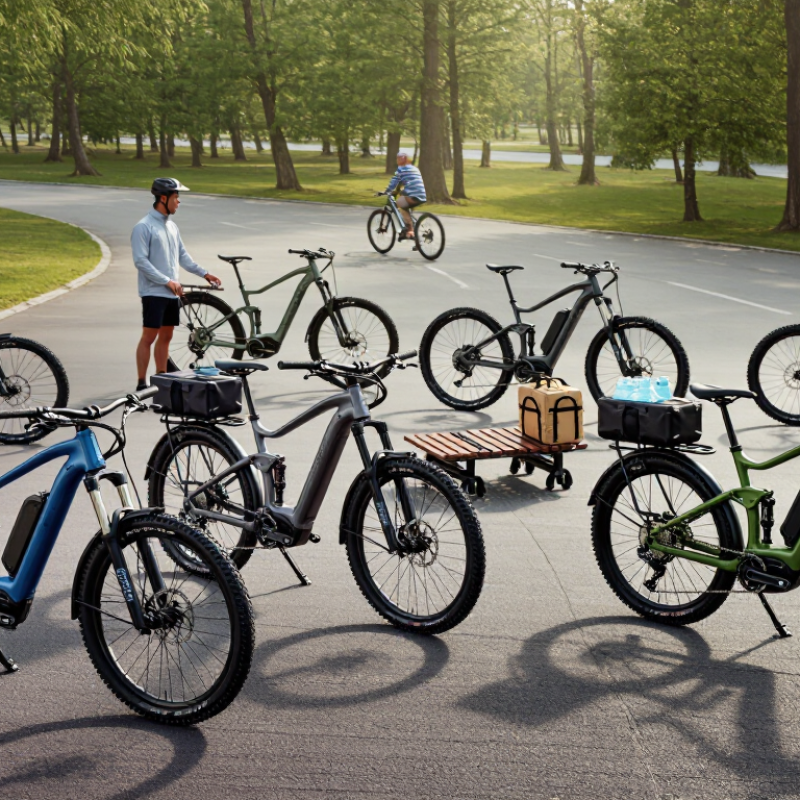
10 Best SUV E Bike Models for 2026 Buyers
“SUV e-bike” is a design label, not a standardized vehicle class. These bikes typically pair a sturdy frame with wide tires, a more upright riding position, and mounts for racks or other gear. Compared with a light commuter model, one may feel steadier on gravel and easier to load with groceries. The trade-off is real: extra weight can make stairs, tight storage, and unpowered riding harder.
The Light Electric Vehicle Association estimated that about 1.1 million e-bikes were imported into the United States in 2022. That industry figure covers e-bikes broadly, not SUV-style models, so it cannot show how popular this niche is. For buyers, the useful distinction is practical fit. Check the bike’s total weight, rated payload, tire clearance, and battery capacity. A large-looking frame does not automatically mean a longer range or better handling. Test it over a curb and a rough patch, if possible. Small details matter.
Tips: Bring your usual lock and a loaded bag to a test ride. Notice how the bike steers slowly, and check whether you can lift it safely. Manufacturer range estimates may differ from your real route, especially with hills, cold weather, or heavy cargo.

Choosing an SUV-style e-bike starts with the job it must do: carry groceries, child seats, or camping gear. Check the maximum payload, including rider weight, and compare it with your real load. A large frame can feel stable, but it may be awkward in a narrow hallway or on a car rack. Measure first.
Range claims need context. Hills, cold weather, tire pressure, assistance level, and extra cargo all affect battery use. The Light Electric Vehicle Association estimated about 1.1 million e-bikes were imported into the United States in 2022. That figure signals a fast-growing market, not a guarantee of quality or real-world range. Treat advertised distance as a best-case estimate. Ask how the battery is tested and replaced.
Look beyond motor power. Hydraulic brakes, grippy tires, bright lights, and a sturdy kickstand matter when the bike is heavy and fully loaded. Test it loaded, if possible, on a slope and over rough pavement. Check whether the frame fits your height and whether local shops can service its parts. A high payload rating looks reassuring; it does not tell you how the bike handles. I would give handling more weight than a flashy display.
| SUV E-Bike Profile | Best For | Typical Motor Class | Typical Battery | Planning Range* | Common Tire Setup | Useful Features to Check | Main Trade-Off |
|---|---|---|---|---|---|---|---|
| All-Round Commuter SUV | Daily trips on paved roads, bike paths, and occasional gravel | 250–500 W nominal | 500–700 Wh | 35–70 mi (56–113 km) | 27.5 × 2.4–2.8 in | Integrated lights, fenders, rack mounts, hydraulic disc brakes | Less cushioned than a fat-tire model on rough surfaces |
| Long-Range Touring SUV | Long recreational rides and routes with limited charging access | 250–750 W nominal, subject to local rules | 700–1,000 Wh | 45–90 mi (72–145 km) | 27.5 × 2.4–3.0 in | Removable battery, multiple assist levels, touring rack compatibility | Larger batteries add weight and can increase replacement cost |
| Fat-Tire All-Terrain SUV | Loose gravel, sand, packed snow, and uneven paths | 500–750 W nominal where permitted | 600–900 Wh | 25–60 mi (40–97 km) | 20 × 4.0 in or 26 × 4.0 in | Low-pressure tire compatibility, strong brakes, puncture protection | Wide tires can feel slower and require more effort on pavement |
| Full-Suspension Comfort SUV | Rough roads, broken pavement, and comfort-focused recreational rides | 250–750 W nominal, subject to local rules | 600–900 Wh | 30–70 mi (48–113 km) | 27.5 × 2.4–3.0 in | Adjustable suspension, suspension lockout, dependable hydraulic brakes | More moving parts mean added maintenance and weight |
| Utility-Rack SUV | Groceries, commuting gear, and everyday errands | 250–500 W nominal | 500–750 Wh | 30–65 mi (48–105 km) | 26–27.5 in, approximately 2.2–2.8 in wide | Rated rear rack, sturdy kickstand, fenders, frame-integrated lights | Confirm the rack’s load limit; it may be lower than the bike’s total payload limit |
| Passenger-Ready SUV | Short trips with a compatible child seat or approved passenger setup | 250–750 W nominal, subject to local rules | 600–900 Wh | 25–60 mi (40–97 km) | 20–27.5 in, typically 2.4–4.0 in wide | Explicit passenger approval, compatible footrests, wheel guards, strong brakes | Passenger use is not suitable unless the frame and accessories are specifically rated for it |
| Step-Through SUV | Riders who prefer easier mounting, dismounting, or frequent stops | 250–500 W nominal | 500–750 Wh | 30–65 mi (48–105 km) | 26–27.5 in, approximately 2.2–3.0 in wide | Frame stiffness, accessible battery placement, adjustable cockpit | Check the manufacturer’s rider-weight limit and frame feel under load |
| Compact-Wheel SUV | Urban storage, shorter riders, and stop-and-go riding | 250–500 W nominal | 400–700 Wh | 25–55 mi (40–89 km) | 20 in, approximately 2.0–4.0 in wide | Stable handling, folding or storage dimensions, accessible controls | Small wheels can feel more affected by potholes; test ride if possible |
| Lightweight SUV | Riders who need to lift or carry the bike more often | 250–500 W nominal | 400–600 Wh | 25–55 mi (40–89 km) | 27.5 × 2.0–2.6 in | Published total weight, removable battery, practical carry points | A smaller battery may provide less range under demanding conditions |
| Value-Focused SUV | New riders seeking practical features without premium components | 250–500 W nominal | 400–600 Wh | 20–50 mi (32–80 km) | 26–27.5 in, approximately 2.2–3.0 in wide | Clear warranty terms, replaceable parts, service support, certified battery system | Compare component quality and long-term service options, not just the purchase price |
How to use this comparison: “SUV e-bike” is a broad, non-standardized category, so these are representative buyer profiles rather than specific tested or verified products. Specifications vary by model and market. Planning ranges are estimates, not guarantees; rider weight, terrain, temperature, tire pressure, speed, and assist level can substantially change actual range. Check local e-bike power and speed rules, the manufacturer’s payload rating, battery certification, and warranty before buying.
“ SUV e-bike” is a loose category, so compare real equipment, not just labels. For 2026, ten useful model types to know are the compact step-through, longtail cargo, full-suspension trail bike, fat-tire commuter, dual-battery tourer, low-step utility bike, mid-drive hill climber, rear-hub value build, belt-drive all-weather bike, and folding SUV. No single frame wins. PeopleForBikes’ analysis of Circana retail data found U.S. e-bike sales rose 269% from 2019 to 2022. That growth shows rising interest, not proof that every SUV-style design suits every trip.
Check the details that change daily use: loaded weight, battery capacity, brake type, tire clearance, and whether the frame fits your storage space. A longtail may carry groceries well but feel awkward in a narrow hallway. Fat tires can soften rough pavement, yet add weight. Test the basics. Ride a short hill, brake on a safe, dry surface, and lift the bike if you must store it upstairs. An industry category label can obscure big differences in handling and range. Treat published range as an estimate; rider weight, temperature, hills, and cargo all affect it. Small details matter. I would still want clearer, comparable load and range figures before calling any one model the best.
These U.S. class limits provide useful context when comparing SUV-style e-bikes: Classes 1 and 2 are limited to 20 mph of motor assistance, while Class 3 is limited to 28 mph. State and local rules may vary, and an SUV-style design does not determine an e-bike’s class.
Range is useful only when compared under similar conditions. A large battery may look impressive, but hills, rider weight, temperature, and high assist can shorten a ride. For 2026 buyers, compare claimed range with battery capacity and the kind of route you actually ride. A practical test includes a steep section, stop-and-go streets, and some distance on low assist. Numbers vary.
Power matters most when a loaded bike starts uphill or moves through soft gravel. Models with stronger torque can feel more capable, yet extra motor output may use battery faster. A smooth, predictable assist response often beats a dramatic surge on narrow paths. Check whether the display makes assist levels easy to change while wearing gloves. Small detail. Big difference.
Comfort and utility separate everyday SUV-style e-bikes from machines that only look rugged. Look for stable handling, adjustable contact points, tires suited to mixed surfaces, and brakes that feel controlled with cargo aboard. A rear rack, sturdy fenders, and integrated lights can matter more than a few extra watts. Ask how the bike behaves when loaded, not just how it feels on a short test ride. Some comparisons overlook this. It is an easy mistake. A heavier frame may feel planted, but lifting it into a vehicle can become tiresome; there is no perfect trade-off.
Choosing an SUV e-bike starts with the ride, not the tire width. For daily commuting, prioritize a comfortable upright position, dependable lights, and space for a lock or work bag. If your route includes gravel or broken pavement, wider tires and a suspension fork can soften sharp bumps. For groceries or child seats, check the rated payload and rear-rack capacity; a powerful motor does not increase either limit. Small detail. Big difference.
PeopleForBikes’ 2023 U.S. Bicycling Participation Report estimated that 112 million Americans rode a bicycle in 2022. That broad mix of riders is a reminder that one SUV-style setup cannot suit everyone. NACTO’s 2023 Shared Micromobility Report recorded 133 million shared-bike and scooter trips in North America. Those trips show how often people use small electric vehicles for practical journeys, but they do not prove a privately owned bike’s range.
For hilly routes or heavier loads, compare motor assistance and braking feel, not just advertised peak power. For shorter errands, a lower step-through frame and easy-to-remove battery may matter more. Check that the battery and electrical system have credible safety certification, such as UL 2849. A published range number alone is not enough; rider weight, hills, temperature, and assist level all change it. Take a test ride with your usual bag, if possible. My advice would still be imperfect without knowing your roads.


For those larger-sized parts, or smaller quantity runs, we have 2 independent powder coat booths and ovens. The quality, durability and affordability of today’s powder coating finishes make this the process of choice for world-class companies.
Powder coating advantages over other forms of coating are many. Materials used in the Powder coating process can be metals and non-metals that come in a multitude of thicknesses, textures, colors, etc. Another of Powder coating’s biggest advantages over conventional coatings is its ability to create finishes in many different textures. Powder Coating Booths allow us the ability to apply these advantages to large products.
Tri-State Fabricators runs a full-service conveyor line for painting. Wet painting can provide protection or decoration to many different part styles. From start to finish, every project is easier to undergo random and point-based inspection by our skilled painting team.
Advantages to our Wet Paint Line are these lines start with product prep and ends with a thorough inspection of a high quality finished product. Our ability to complete large and small projects with a superior finish and doing so in a timely and economical fashion. This passes along the savings in production to our customers. When powder coating ins not an option, our Wet Paint Line gets the job done right the first time.
When the parts get big and heavy we roll-out our custom paint racks and oversize booth. By utilizing our partnerships with all the major paint brands, we can match virtually any color with wet paint.
The advantages of having access to a Wet Paint Booth are many. Large projects of many different shapes can be loaded into the booth. The Wet Paint Booth offers an environment that is much more controlled than a typical parts painting operation.
Not only are they used because of their controlled environment, but they’re are also advantageous when it comes to applying paint to parts that are needed in industries that require specialty coatings such as medical, aerospace, etc.
Our military forces have some very high standards when it comes to the finish of their vehicles and equipment. From the first pre-treatment step to final coat, it takes a great deal of knowledge and experience to protect the men and women of our armed forces. They deserve only the best, and Tri-State Fabricators provides it.
All of our processes are closely monitored by our staff and management teams. Both of which are highly trained in the processes of metal fabrication and finishing. Tri-State Fabricators’ goal is to always fully satisfy each and every customer, including the military. We will always put a 110% into what we do.
Abrasive media blasting is an excellent way to remove old paint, rust, and increase the paint/powder adhesion. Glass beads produce a much smoother and brighter finish than angular abrasives; leaving the part clean yet without any dimensional change. Chemically inert and environmentally friendly, we can recycle our beads approximately 30 times; making them a more preferred method of metal cleaning or surface finishing.
Advantages to Glass Bead Blasting are many. Glass bead blast media is used when a project is needing rough surfaces need to become smooth for applications of coatings such as paint. It is typically used to clean paint and rust from a product surface without deforming the surface it is being used on. Overall, compared to many other blasting media, Glass Bead Blasting is a very economical choice and those savings are always passed on to our customers.
Tri-State Fabricators utilize a zinc phosphate wash to clean and etch the material to ensure the best paint adhesion possible. The unique design of our 3-stage wash system does the work like a 5-stage. From Cleaning and rinsing to conversion coating and post-treatment, Our Part Washing process is a complete service and works throughout the fabrication service and the finishing service.
Along with the previously mentioned benefits, Curing is a vital chemical reaction that leaves the product finish hard and relatively safe from mild abrasion and aggressive corrosion. This process can be done in more than one way; ambient air-dry or in curing ovens at temps that exceed 240°.
From fixing paint mistakes (someone else’s of course) to simply cleaning our paint line hooks, our burn-off oven is put to good use. After a quick burn-off, a little clean up, and a fresh coat of paint, your parts will look better than new.
Why does our Burn-Off Oven work so well? Because super heating the air around parts turns the materials into ashes. From paint and powder coatings to rubber and machining oils, high temps do the job without degrading the integrity of the part.
Masking is a vital part of producing high quality products. We have die-cut masking patterns to protect machined surfaces as well as a wide range of plugs and caps to protect threaded holes and bolts. We provide permanent and temporary masking.
Masking allows the selected sections of a product to be protected from a fabrication or finishing service. This can be with both chemicals when etching and tapes, paints when only finishing just a section of the product. Masking is great in aiding the customization process of a project.
Screen printing is a photographic process that transfers artwork onto a porous nylon screen which allows colored ink to flow through the screen and be deposited on an aluminum or plastic component. We can generally have just about any design created onto a screen for your parts.
Some of the advantages of Screen Printing are, brand recognition for your business displaying on your products, assembly instructions, product warnings/hazards, etc. Tri-State Fabricators produces Screen Printing of the highest quality so you know it’s durable.
Metal Finishing is the art of treating the exterior portion of product, often metal but can also be made of other materials, so that the surface is clean and free of any debris. Then the process of applying coats or either paint of powder coat takes place. This coating process improves the quality of the product in both appearance and resistance to wear and corrosion.
Tri-State Fabricators, Inc., understands that a project typically isn’t complete until a high-quality finish has been added to your product. This is why our painting and powder coating teams continuously inspect the products throughout the Metal Finishing process.

