Best Strapping Machinery for Efficient Packaging Solutions?
In the ever-evolving landscape of packaging, Strapping Machinery plays a crucial role in ensuring efficiency and reliability. According to industry expert John Smith, "Effective strapping solutions can significantly enhance packaging integrity." This highlights the importance of selecting the appropriate equipment to meet diverse needs.
Strapping machinery is not merely a convenience; it is essential for businesses aiming to streamline their operations. Whether it’s securing parcels or bundling products, the right machinery can make a significant impact. However, wrong choices can lead to inefficiencies. Occasionally, companies underestimate the importance of investing in high-quality equipment, leading to packaging failures.
Moreover, advancements in this field are continuous. As new technologies emerge, staying updated is vital. Companies often need to reassess their current machinery to ensure it meets modern demands. An occasional lapse in evaluation can hinder progress. Therefore, understanding the best strapping machinery is not just beneficial; it’s imperative for operational success.
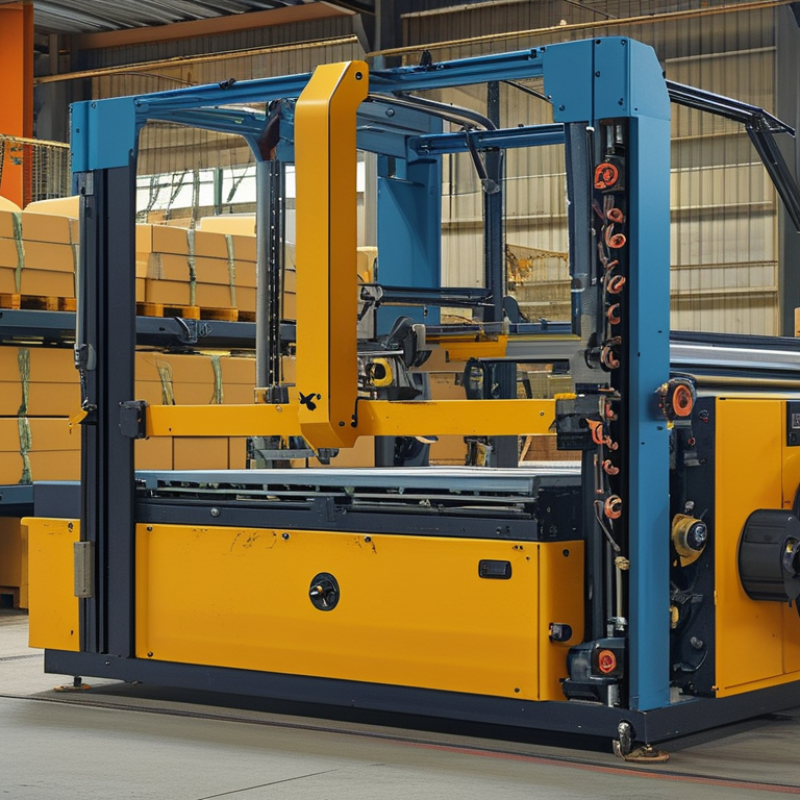
Types of Strapping Machinery for Packaging Applications
Strapping machinery plays a crucial role in modern packaging solutions. Depending on the application, there are several types of strapping machinery available. Semi-automatic machines are popular for small to medium production volumes. They require manual feeding of the strap but automate sealing. This can save time while allowing flexibility.
Fully automatic machines cater to high-volume operations. They integrate seamlessly into production lines. These machines can handle various strapping materials, adapting to different sizes and weights. Operators often find that these systems enhance efficiency significantly, reducing labor costs and error rates. However, initial investment costs can be high, which may not be feasible for all businesses.
Another type includes handheld strapping tools, which are ideal for smaller operations or occasional use. They are lightweight and portable, providing flexibility in various environments. Users sometimes struggle with inconsistent strap tension, which can lead to packaging failures. Proper training and practice are essential to achieve optimal results. Each type of machine has its pros and cons, making it essential for companies to assess their needs carefully.
Key Features to Consider When Choosing Strapping Equipment
When selecting strapping equipment, it is essential to consider several key features. Speed and efficiency are paramount. According to a recent industry report, machines that can process up to 50 cycles per minute are increasingly favored. Such high performance reduces labor costs and accelerates packaging throughput. Automated features, such as tension control and seal integrity sensing, further enhance reliability and product protection.
Another critical aspect is the type of strapping material used. Polypropylene and polyester are the most common choices. A study by the Association of Packaging and Processing Technologies indicates that polyester strapping exhibits a 20% higher tensile strength than polypropylene. This makes it particularly suitable for heavy-duty applications. Additionally, the option to use biodegradable materials is gaining traction. As sustainability becomes a priority, manufacturers are increasingly looking to eco-friendly strapping solutions.
Ease of use cannot be overlooked. Machines should require minimal training for operators to maximize productivity. Reports indicate that user-friendly controls can reduce the learning curve by nearly 30%. Regular maintenance is essential as well. Neglecting this aspect can lead to increased downtime. Addressing these factors will help businesses make informed decisions when investing in strapping machinery.
Best Strapping Machinery for Efficient Packaging Solutions
This chart illustrates key evaluation metrics for strapping machinery, focusing on aspects such as speed, durability, versatility, cost, and maintenance frequency. These features are crucial in determining the efficiency of packaging solutions.
Benefits of Automated Strapping Systems for Efficiency
Automated strapping systems significantly improve packaging efficiency in various industries. These machines streamline the strapping process, reducing manual labor and time. By automating the task, businesses can focus their workforce on more value-added activities. This leads to better productivity and ultimately enhances overall performance.
One of the key benefits of automated systems is their consistency. Unlike manual strapping, which can vary in tightness and placement, machines ensure uniform adjustments every time. Additionally, advanced designs allow for quick changes to strap sizes and materials. This versatility supports businesses in adapting to different packaging needs without compromising speed or quality.
However, implementing automated strapping systems does come with challenges. Initial costs can be high, and training staff to operate new equipment may take time. Some companies may struggle with the transition from manual to automated processes. Reflecting on these factors is crucial for a successful integration. Despite these hurdles, the long-term gains in efficiency and reliability often outweigh the initial setbacks.
Maintenance Tips for Extending the Life of Strapping Machines
Maintaining Strapping Machines is vital for longevity. Regular upkeep can prevent costly breakdowns. Simple practices can enhance machine performance significantly. Begin by keeping the machine clean and free from debris. Dust and particles can interfere with components, causing jams or malfunctions. Use a soft cloth to wipe down surfaces regularly. Ensure all moving parts are lubricated according to the manufacturer's guidelines.
Check for wear and tear. Examine straps and tension settings frequently. Faulty straps can lead to improper packaging, affecting product integrity. Replace any worn parts immediately to avoid further issues. Also, ensure that electrical connections are secure. Loose wiring can cause unpredictable behavior.
Education on usage is essential as well. Improper handling can result in damage. Training staff on best practices helps prevent misuse. Encourage them to report any unusual sounds or behaviors from the machine. This proactive approach can identify potential issues early. Regular inspections and understanding your equipment contribute to its efficiency. Always seek professional advice when needed, as it is crucial for maintaining optimal performance.
Best Strapping Machinery for Efficient Packaging Solutions - Maintenance Tips for Extending the Life of Strapping Machines
| Model | Strapping Type | Speed (packages/min) | Max Strap Width (mm) | Maintenance Frequency (months) | Average Cost ($) |
| Model A | Polypropylene | 25 | 15 | 6 | 1500 |
| Model B | Polyester | 30 | 19 | 4 | 1800 |
| Model C | Composites | 20 | 17 | 12 | 2000 |
| Model D | Steel | 15 | 22 | 8 | 2500 |
Comparative Analysis of Manual vs. Automatic Strapping Solutions
When choosing between manual and automatic strapping solutions, efficiency is key. According to a recent industry report, automated strapping systems can increase packaging speed by up to 30% compared to manual tools. This is particularly important in high-demand sectors like logistics, where every second counts. However, manual strapping remains relevant for smaller operations due to its initial lower cost and simplicity.
Many businesses face challenges with manual strapping, such as operator fatigue and inconsistent tension. A study found that automated systems ensure uniform tension, reducing the risk of damaged packages. This consistency enhances product safety during transit. Despite the advantages, transitioning to an automatic system requires careful evaluation. It’s crucial to consider the volume of strapping needed and the long-term return on investment.
When selecting strapping solutions, prioritize your workflow needs. Analyze the daily output and packaging requirements. Personnel training for manual solutions can improve efficiency. Yet, investing in automation may yield significant labor savings over time. Always keep in mind the specific needs of your operation before making a decision.





