


10 Best Stainless Steel Water Tanks for Global Buyers?

Choosing among the 10 Best Stainless Steel Water Tanks for Global Buyers requires more than comparing prices or polished surfaces. The WHO/UNICEF Joint Monitoring Programme reported that 2.2 billion people lacked safely managed drinking water in 2022. The United Nations World Water Development Report also identifies rising pressure on freshwater systems, especially in rapidly growing cities. Storage quality now matters at household, industrial, agricultural, and emergency levels.

Ss Steel Water Tanks can offer strong durability, hygienic interiors, and reliable performance when correctly designed. Their value depends on steel grade, weld quality, insulation, foundation stability, and local water chemistry. A tank that works beside a cool European warehouse may fail sooner in a humid coastal region. Chlorides are not a small detail. Neither is poor drainage.

Corrosion specialist Dr. Mars G. Fontana stated, “Corrosion is an electrochemical process.” This short observation explains why material selection cannot stand alone. Buyers should check potable-water compliance, including NSF/ANSI 61 where applicable, and review standards such as AWWA D103 for bolted steel tanks. Manufacturer testing, traceable certificates, and documented cleaning procedures strengthen trust.

Still, no ranking is perfect. Capacity, transport distance, installation skills, and maintenance budgets change the final choice. A cheaper tank may become expensive after repeated repairs. A premium tank may be unnecessary for a low-risk application. This guide compares practical specifications, not marketing promises, helping global buyers assess Ss Steel Water Tanks with clearer evidence and fewer costly assumptions.
10 Best Stainless Steel Water Tanks for Global Buyers?

Types of Stainless Steel Water Tanks for Different Global Applications

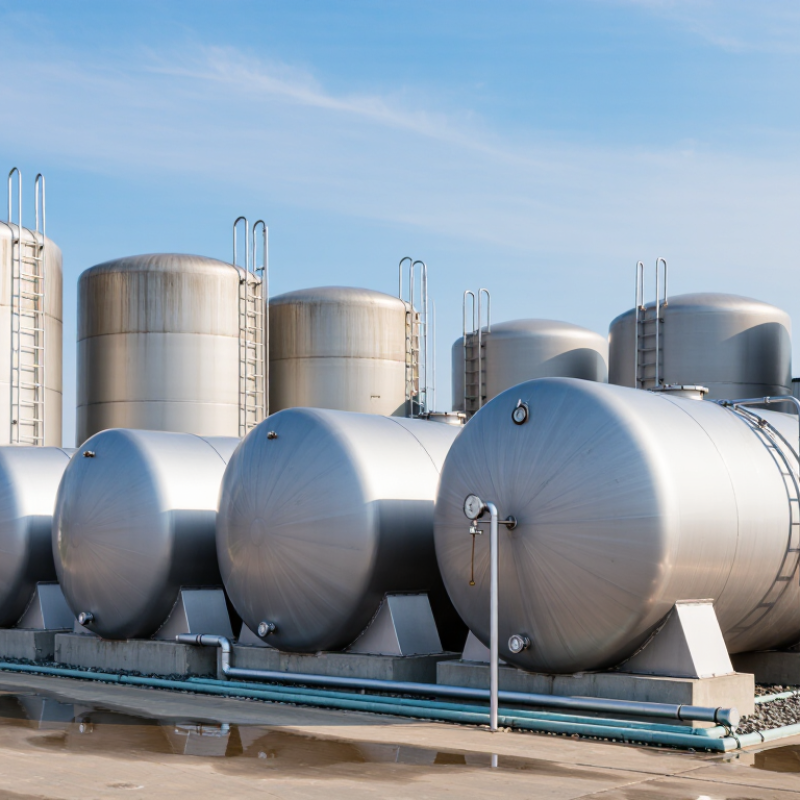
Stainless steel water tanks serve different needs, and tank shape matters as much as steel grade. Vertical tanks suit factories, farms, hotels, and municipal storage sites. They use a small ground footprint and support large capacities. Horizontal tanks work well beneath platforms or inside low-clearance buildings. Their wider base can improve stability during transport and installation.

Sectional tanks use bolted panels assembled on site. This design helps projects with narrow access routes or difficult urban locations. Panel replacement is also practical after long service. Welded tanks provide strong, smooth interiors and fewer joint areas. They are often selected for drinking water, process water, and emergency fire reserves. Insulated tanks help protect warm or chilled water in changing climates. Coastal facilities may need stronger corrosion planning, even when stainless steel is specified.

Material selection should match water chemistry, temperature, cleaning methods, and local maintenance skills. Common stainless grades can perform differently in chlorinated or salty environments. A 316-grade option may be more suitable for coastal exposure, but it is not automatically the best answer. I have seen projects overspend on metal while neglecting drainage and access. That mistake is expensive. Check weld quality, internal polishing, support foundations, overflow routes, and inspection openings before approval. A perfect tank choice rarely exists; the reliable solution balances capacity, hygiene, climate, transport, and future repairs.

10 Best Stainless Steel Water Tanks for Global Buyers — Types of Stainless Steel Water Tanks for Different Global Applications
No. Tank Type Typical Capacity Range Common Stainless Steel Grade Recommended Applications Main Advantages Key Design Considerations Typical Installation Applicable Compliance References
1 Sectional Panel Water Tank 1–5,000 m³ 304 or 316L stainless steel panels Commercial buildings, hospitals, schools, factories and municipal water storage Modular construction, easy transportation, expandable capacity and convenient replacement of individual panels Panel sealing, internal bracing, foundation flatness and access for inspection must be carefully designed Ground-level, rooftop or purpose-built tank room Project-dependent requirements such as EN 13280, NSF/ANSI/CAN 61 or AS/NZS 4020
2 Vertical Cylindrical Tank 500–100,000 m³ 304L or 316L stainless steel Municipal reservoirs, industrial process water, potable-water buffering and fire-water systems Efficient use of land, good structural stability and wide customization range Wind and seismic loads, shell thickness, roof design, foundation settlement and internal corrosion exposure Outdoor ground installation on a reinforced concrete foundation Local structural codes, potable-water material requirements and site-specific engineering standards
3 Horizontal Cylindrical Tank 1–100 m³ 304 or 316L stainless steel Rural water supply, pressure-pump systems, transportable water storage and small commercial facilities Low overall height, simple access and suitability for locations with height restrictions Saddle supports, tank anchoring, drainage slope and protection against rolling or seismic movement Ground level, skid-mounted or trailer-mounted Local pressure-vessel rules where applicable; potable-water contact requirements for drinking water
4 Rooftop Stainless Steel Tank 1–100 m³ 304L; 316L for coastal or chloride-rich environments High-rise buildings, hotels, apartment complexes and emergency domestic-water storage Uses gravity for distribution, reduces pumping demand and provides local reserve capacity Roof load capacity, wind uplift, seismic restraint, waterproofing, overflow routing and maintenance access On a designed rooftop plinth or structural support frame Local building, seismic, wind-load and potable-water regulations
5 Underground Stainless Steel Tank 10–1,000 m³ 316L or corrosion-protected 304L Space-limited urban sites, rainwater harvesting, fire-water storage and landscape irrigation Preserves surface space, protects stored water from sunlight and reduces visual impact External soil pressure, buoyancy, groundwater protection, ventilation, leak detection and maintenance access Below ground with engineered concrete or backfill support Local excavation, structural, groundwater and environmental regulations
6 Insulated Stainless Steel Water Tank 1–500 m³ 304L or 316L with insulated outer cladding Hot-water storage, cold-climate facilities, food processing and temperature-sensitive water systems Reduces heat loss or heat gain and helps limit condensation on the tank exterior Insulation type, vapor barrier, hygienic cladding, thermal expansion and cleaning access Indoor or outdoor installation with weather-resistant cladding Local thermal, fire-safety and potable-water material requirements
7 Jacketed or Coil-Equipped Tank 1–200 m³ 316L for hygienic or chemically demanding applications Food and beverage plants, breweries, pharmaceutical utilities and controlled-temperature water storage Allows heating or cooling through a jacket or internal coil without direct contact between utility fluid and stored water Heat-transfer area, weld quality, cleanability, drainability and compatibility of the heating or cooling medium Indoor process area or controlled outdoor installation Hygienic design rules, food-contact requirements and applicable pressure-system regulations
8 Hygienic Vertical Tank with Spray Ball 0.5–100 m³ 316L stainless steel; sanitary internal finish Pharmaceutical water systems, beverage production, cosmetics and high-purity utility water Designed for clean-in-place operation, reduced dead zones and improved internal hygiene Surface finish, sanitary welds, spray-ball coverage, slope toward drains and hygienic fittings Indoor process room or clean utility area Applicable hygienic design, GMP, food-contact and purified-water requirements
9 Rainwater Harvesting Tank 1–500 m³ 304L for general environments; 316L in coastal areas Residential developments, commercial buildings, irrigation, toilet flushing and non-potable reuse Long service life, good resistance to sunlight and suitability for urban water-reuse systems Pre-filtration, first-flush diversion, mosquito protection, overflow control and separation from potable systems Above ground, underground or integrated with a building service area Local rainwater harvesting, plumbing, environmental and non-potable reuse regulations
10 Fire-Water Storage Tank 20–5,000 m³ 304L or 316L, selected according to site exposure Warehouses, data centers, industrial plants, airports and commercial properties Provides dedicated water reserves for sprinkler, hydrant or fire-pump systems Required reserve volume, suction connections, low-level protection, overflow, inspection and fire-system reliability Ground-level outdoor or dedicated fire-protection area Applicable local fire codes, NFPA or other authority-approved fire-protection standards
Buyer’s note: Capacity ranges and material selections are representative engineering ranges, not fixed product specifications. Final tank dimensions, steel grade, wall thickness, fittings, insulation, seismic design and certification should be confirmed according to water chemistry, climate, installation site, intended water quality and the regulations of the destination country.

Key Specifications to Compare Before Choosing a Stainless Steel Water Tank

Choosing among the 10 best stainless steel water tanks requires more than comparing prices. Global buyers should examine material grade, capacity, wall thickness, and operating conditions. Grade 304 stainless steel suits many general water applications. Grade 316 offers stronger resistance in coastal or chloride-rich environments. However, the correct choice depends on water chemistry and installation conditions.

Check the working pressure, design temperature, and allowable load before ordering. A tank for a rooftop may need stronger supports than a ground-level unit. Ask for weld inspection records, surface passivation details, and material certificates. Smooth internal surfaces reduce residue buildup and simplify cleaning. Small details matter. Inspect the manway, drain valve, overflow outlet, level gauge, and inlet position. Poor fitting alignment can create expensive site problems.

Insulation is important where water temperature changes quickly. Consider foam type, outer cladding, UV exposure, and local weather. For international shipping, confirm dimensions, lifting points, packing strength, and replacement-part availability. Tank capacity should reflect daily demand, peak use, and emergency storage, not just the largest available model. I have seen oversized tanks waste space and increase cleaning time. A specification sheet can still hide weak welds or unclear pressure limits. My checklist is useful, but it is not flawless. Request drawings, installation instructions, warranty terms, and independent test evidence before making a final decision.

10 Leading Stainless Steel Water Tanks for International Buyers

10 Leading Stainless Steel Water Tanks for International Buyers

International buyers need tanks that perform beyond showroom photographs. The ten leading options include welded, bolted, modular, vertical, horizontal, insulated, and sectional designs. Each suits different water volumes, site conditions, and transport limits. Food-grade stainless steel, commonly 304 or 316, supports clean storage and strong corrosion resistance. However, material choice should match local water chemistry, temperature, and cleaning methods.

A dependable tank should have smooth internal welds, secure fittings, a stable base, and accessible inspection ports. Ask for material certificates, pressure or leak-test records, dimensional drawings, and traceable production data. These documents help engineers verify quality before shipment. International buyers should also check installation instructions, spare-part availability, drainage design, and export packaging. A tank may be excellent, yet unsuitable if local technicians cannot maintain it.

Practical inspections matter.

Field checks often reveal small problems. Misaligned flanges, thin insulation, or poorly protected openings can create expensive delays. Do not judge a tank by polished surfaces alone. Review the supplier’s manufacturing experience, quality controls, warranty terms, and communication response. No design is perfect. A larger tank may reduce refill frequency but increase foundation costs. A cheaper option may require more frequent cleaning. Careful buyers compare lifecycle value, not only the quoted purchase price.

Installation, Maintenance, and Hygiene Standards for Water Storage Tanks

Choosing a stainless steel water tank involves more than checking capacity and price. Installation conditions strongly affect water safety and service life. Set the tank on a level, reinforced foundation that can support its full operating weight. An uneven base creates stress. That detail is often underestimated.

Use hygienic fittings, sealed covers, and screened vents to limit dust, insects, and other contaminants. Keep inlet pipes above the tank floor when possible. This reduces sediment disturbance. Internal welds should be smooth, fully cleaned, and properly passivated by qualified technicians. Inspectors should check for sharp edges, trapped water, and poorly finished joints before commissioning. A small flaw can become a cleaning problem.

Maintenance needs a written schedule. Inspect the roof, valves, gaskets, ladders, and anchor points every month. Drain and clean the tank at intervals based on water quality and local drinking-water requirements. Do not assume stainless steel alone prevents bacterial growth. Test stored water after cleaning, especially when the tank serves homes, clinics, or food facilities. Use cleaning agents compatible with the steel grade, then rinse thoroughly with approved water. Chloride exposure deserves attention. Coastal air, salt deposits, and unsuitable chemicals can cause pitting. Keep inspection records, material certificates, weld documentation, and water-test results together. Requirements differ between countries, so buyers should verify them with local authorities and qualified engineers. In practice, maintenance plans are sometimes too optimistic. Real dust, heat, and access limitations should shape the schedule.

How to Select the Best Stainless Steel Water Tank for Your Market

How to Select the Best Stainless Steel Water Tank for Your Market

Global buyers should treat tank selection as a water-quality decision, not a catalogue exercise. The UNICEF and WHO Joint Monitoring Programme reported that 2.2 billion people lacked safely managed drinking water in 2022. Local water chemistry matters. Test chloride, acidity, hardness, and temperature before choosing stainless steel. Grade 304 may suit many indoor systems, while grade 316 can better resist chloride-rich coastal or industrial environments. However, stronger material does not excuse poor welding.

A practical specification should include certified steel, weld inspection, passivation, hygienic fittings, and a cleanable internal surface. Ask for material certificates and test records. For potable applications, check NSF/ANSI/CAN 61 or the relevant national standard.

The tank also needs protection from sunlight, freezing, and standing water around its foundation. Small details matter, such as a screened overflow, sloped floor, accessible manway, and a drain that fully empties the vessel.

Demand is not only about drinking water. FAO AQUASTAT reports that agriculture uses about 70% of global freshwater withdrawals, so irrigation storage may require larger volume and frequent cycling.

Food facilities need stricter hygiene controls. A common mistake is choosing capacity from average consumption alone. Peak demand, delivery delays, emergency storage, and future expansion can change the calculation.

I would not pretend one design fits every market. Even experienced buyers sometimes overlook maintenance access, then discover that a low-cost tank is difficult to clean. Evaluate the installer, inspection process, spare parts, and local service capability before approving the final design.

Powder Coat Booths

For those larger-sized parts, or smaller quantity runs, we have 2 independent powder coat booths and ovens. The quality, durability and affordability of today’s powder coating finishes make this the process of choice for world-class companies.

Powder coating advantages over other forms of coating are many. Materials used in the Powder coating process can be metals and non-metals that come in a multitude of thicknesses, textures, colors, etc. Another of Powder coating’s biggest advantages over conventional coatings is its ability to create finishes in many different textures. Powder Coating Booths allow us the ability to apply these advantages to large products.

Wet Paint Line

Tri-State Fabricators runs a full-service conveyor line for painting. Wet painting can provide protection or decoration to many different part styles. From start to finish, every project is easier to undergo random and point-based inspection by our skilled painting team.

Advantages to our Wet Paint Line are these lines start with product prep and ends with a thorough inspection of a high quality finished product. Our ability to complete large and small projects with a superior finish and doing so in a timely and economical fashion. This passes along the savings in production to our customers. When powder coating ins not an option, our Wet Paint Line gets the job done right the first time.

Wet Paint Booths

When the parts get big and heavy we roll-out our custom paint racks and oversize booth. By utilizing our partnerships with all the major paint brands, we can match virtually any color with wet paint.

The advantages of having access to a Wet Paint Booth are many. Large projects of many different shapes can be loaded into the booth. The Wet Paint Booth offers an environment that is much more controlled than a typical parts painting operation.

Not only are they used because of their controlled environment, but they’re are also advantageous when it comes to applying paint to parts that are needed in industries that require specialty coatings such as medical, aerospace, etc.

Military CARC

Our military forces have some very high standards when it comes to the finish of their vehicles and equipment. From the first pre-treatment step to final coat, it takes a great deal of knowledge and experience to protect the men and women of our armed forces. They deserve only the best, and Tri-State Fabricators provides it.

All of our processes are closely monitored by our staff and management teams. Both of which are highly trained in the processes of metal fabrication and finishing. Tri-State Fabricators’ goal is to always fully satisfy each and every customer, including the military. We will always put a 110% into what we do.

Glass-Bead Blasting

Abrasive media blasting is an excellent way to remove old paint, rust, and increase the paint/powder adhesion. Glass beads produce a much smoother and brighter finish than angular abrasives; leaving the part clean yet without any dimensional change. Chemically inert and environmentally friendly, we can recycle our beads approximately 30 times; making them a more preferred method of metal cleaning or surface finishing.

Advantages to Glass Bead Blasting are many. Glass bead blast media is used when a project is needing rough surfaces need to become smooth for applications of coatings such as paint. It is typically used to clean paint and rust from a product surface without deforming the surface it is being used on. Overall, compared to many other blasting media, Glass Bead Blasting is a very economical choice and those savings are always passed on to our customers.

Part Washing

Tri-State Fabricators utilize a zinc phosphate wash to clean and etch the material to ensure the best paint adhesion possible. The unique design of our 3-stage wash system does the work like a 5-stage. From Cleaning and rinsing to conversion coating and post-treatment, Our Part Washing process is a complete service and works throughout the fabrication service and the finishing service.

Along with the previously mentioned benefits, Curing is a vital chemical reaction that leaves the product finish hard and relatively safe from mild abrasion and aggressive corrosion. This process can be done in more than one way; ambient air-dry or in curing ovens at temps that exceed 240°.

Burn-Off Oven

From fixing paint mistakes (someone else’s of course) to simply cleaning our paint line hooks, our burn-off oven is put to good use. After a quick burn-off, a little clean up, and a fresh coat of paint, your parts will look better than new.

Why does our Burn-Off Oven work so well? Because super heating the air around parts turns the materials into ashes. From paint and powder coatings to rubber and machining oils, high temps do the job without degrading the integrity of the part.

Masking

Masking is a vital part of producing high quality products. We have die-cut masking patterns to protect machined surfaces as well as a wide range of plugs and caps to protect threaded holes and bolts. We provide permanent and temporary masking.

Masking allows the selected sections of a product to be protected from a fabrication or finishing service. This can be with both chemicals when etching and tapes, paints when only finishing just a section of the product. Masking is great in aiding the customization process of a project.

Screen Printing

Screen printing is a photographic process that transfers artwork onto a porous nylon screen which allows colored ink to flow through the screen and be deposited on an aluminum or plastic component. We can generally have just about any design created onto a screen for your parts.

Some of the advantages of Screen Printing are, brand recognition for your business displaying on your products, assembly instructions, product warnings/hazards, etc. Tri-State Fabricators produces Screen Printing of the highest quality so you know it’s durable.

Metal Finishing

Metal Finishing is the art of treating the exterior portion of product, often metal but can also be made of other materials, so that the surface is clean and free of any debris. Then the process of applying coats or either paint of powder coat takes place. This coating process improves the quality of the product in both appearance and resistance to wear and corrosion.

Tri-State Fabricators, Inc., understands that a project typically isn’t complete until a high-quality finish has been added to your product. This is why our painting and powder coating teams continuously inspect the products throughout the Metal Finishing process.


