Best Stainless Steel Keel for Durability and Strength?
When it comes to creating a durable and strong boat, a stainless steel keel stands out as a top choice. The keel plays a critical role in a vessel's stability and overall performance on the water. A well-designed stainless steel keel not only ensures strength, but it also improves durability against harsh marine environments.
Choosing the right stainless steel keel is essential for long-lasting performance. While there are many options available, not every keel is created equal. Some may rust or corrode over time, leading to potential failures during a voyage. It's vital to consider factors such as material grade, thickness, and construction methods.
However, many boat enthusiasts might overlook the importance of these details. Rushing to make a decision can result in missed opportunities for better options. After all, the right stainless steel keel can make a significant difference in maintaining your boat’s integrity. Every choice counts when it comes to navigating the waters with confidence and agility.
Understanding the Importance of Stainless Steel Keels in Marine Craft
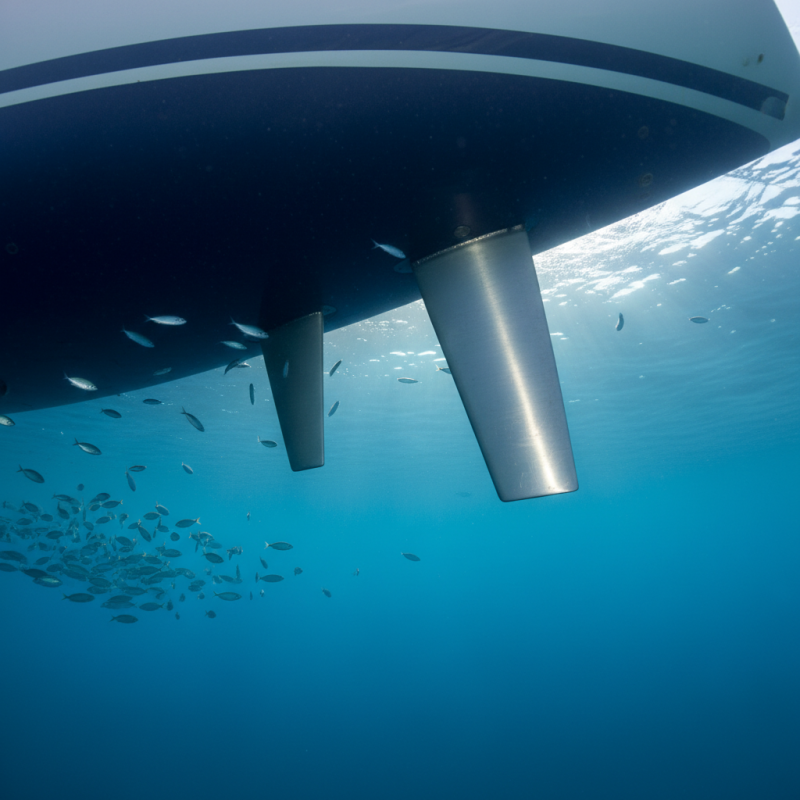
Stainless steel keels play a crucial role in marine craft. They provide the necessary strength and durability to withstand harsh sea conditions. A well-built keel ensures stability and balance, essential for safe navigation. In rough waters, the keel helps the vessel remain upright and reduces the risk of capsizing.
Choosing the best stainless steel can be challenging. Different grades offer varying levels of corrosion resistance and strength. It’s vital to assess the environmental conditions where the craft will operate. Some stainless steel may not perform well in saltwater environments. Users should regularly inspect the keel for signs of wear or damage.
The ideal keel should be robust but not excessively heavy. It should enhance performance without compromising speed. Striking this balance can be tough. Careful planning and material selection can lead to better outcomes. Designers must contemplate production costs versus long-term benefits. Understanding these factors can lead to more informed choices in keel construction.
Best Stainless Steel Keel for Durability and Strength? - Understanding the Importance of Stainless Steel Keels in Marine Craft
| Material Type | Corrosion Resistance | Tensile Strength (MPa) | Weight (kg/m) | Cost per Meter ($) |
| 304 Stainless Steel | Good | 515 | 8.0 | 50 |
| 316 Stainless Steel | Excellent | 580 | 8.5 | 70 |
| Duplex Steel | Very Good | 720 | 7.5 | 90 |
| Nitronic 50 | Exceptional | 690 | 8.2 | 120 |
Key Properties of Stainless Steel for Enhanced Durability and Strength
When selecting a stainless steel keel, focus on its key properties. Durability and strength are critical. Stainless steel offers excellent resistance to rust and corrosion. This makes it ideal for marine environments. The right alloy can enhance these traits further.
Consider the grade of stainless steel. Grades like 316 are particularly useful. They contain molybdenum, increasing resistance to chlorides. This is important for ocean use. Dry and wet conditions can affect durability. The finish of the stainless steel also plays a role. A smooth finish can help prevent buildup of marine growth.
Tips: Always check the specifications of the steel. Make sure it suits your specific needs. Regular maintenance can prolong its life. Cleaning after exposure to saltwater is essential. Some wear may appear over time, reflecting normal usage. Acknowledging these imperfections can lead to better choices in the future. Keep an eye on the keel for any cracks or weakness. Regular inspections are necessary for maintaining its integrity.
Comparing Different Grades of Stainless Steel for Keel Construction
When comparing different grades of stainless steel for keel construction, it's crucial to consider their mechanical properties. Stainless steel often refers to alloys predominantly made of iron, chromium, and nickel. The most commonly used grades are 304 and 316. According to a report from the Marine Engineering Society, 316 stainless steel offers better corrosion resistance, especially in marine environments, due to its higher nickel and molybdenum content.
However, 304 stainless steel is more cost-effective and provides adequate strength for many applications. Data indicates that 304 stainless steel can handle a yield strength of approximately 215 MPa, while 316 can achieve around 290 MPa. This difference can significantly affect the durability of a keel. The choice depends on environmental exposure. Saltwater can accelerate corrosion, making 316 the preferred option for longevity.
Selecting the right grade also involves trade-offs. While 316 may outperform in harsh conditions, it comes at a higher price. For builders on a budget, 304 might suffice, but it often requires more frequent maintenance. Builders must balance performance with cost and maintenance needs.
Understanding the specific conditions where the keel will operate is vital for informed decisions. Each choice carries risks; there's no one-size-fits-all solution.
Factors to Consider When Choosing a Stainless Steel Keel
When selecting a stainless steel keel, durability and strength are critical. A good keel must withstand harsh marine environments. Corrosion resistance is essential. Studies show that marine-grade stainless steel (like 316 or 304) is often preferred for its resistance to saltwater.
Consider the thickness of the steel. Thicker steel offers better strength but adds weight. A balance is vital. Additionally, weld quality should not be overlooked. Poor welds can weaken structural integrity. A 2020 industry report highlighted that over 30% of keel failures were due to inadequate welding methods.
Weight distribution is another factor. A well-designed keel helps with stability and performance. However, some boaters may overlook how a keel's shape impacts efficiency. It's not merely about materials; design plays a significant role. Choosing the right keel involves reflection and careful consideration. The right option can make a difference in performance and longevity.
Maintenance Tips for Longevity of Stainless Steel Keels in Marine Environments
Maintaining stainless steel keels is essential for their longevity in marine environments. Regular inspections should focus on signs of corrosion or wear. Despite their strength, stainless steel can develop pits over time. These small imperfections can lead to bigger problems, so early detection is crucial.
Cleaning is another vital aspect. Rinsing the keel with fresh water after every trip can help remove salt residues. Using a mild soap for deeper cleaning will further protect the surface. Avoid abrasive materials; they can scratch the finish and create entry points for corrosion.
Additionally, applying a protective coating can enhance durability. Some boat owners overlook this step, thinking stainless steel needs no extra care. However, a quality marine-grade sealant can add an extra layer of defense. Remember, the ocean is relentless. It’s important to check for damage regularly to ensure the keel stays in peak condition.
Durability Comparison of Stainless Steel Keels
This chart compares the durability ratings of various stainless steel keel types in marine environments. A higher rating indicates better resistance and strength over time.





