Best Spark Plug Types for Optimal Engine Performance?
spark plugs play a vital role in vehicle performance. These small components ignite the air-fuel mixture in engines. Choosing the right spark plug can significantly enhance engine efficiency. Different types of spark plugs are designed for various engine conditions. Factors like heat range and material affect performance.
Many drivers overlook spark plugs during maintenance. This can lead to poor fuel economy and reduced power. The wrong type can even damage your engine over time. It’s important to understand your vehicle’s needs. Not all spark plugs are created equal. Some are better suited for high-performance engines.
Researching spark plug types is essential. Copper, platinum, and iridium options offer unique benefits. Consider how you drive and your engine’s specifications. An informed choice can lead to optimal performance. Your engine deserves the best spark plugs available. This decision reflects your commitment to vehicle care. Choosing wisely can be challenging yet rewarding.
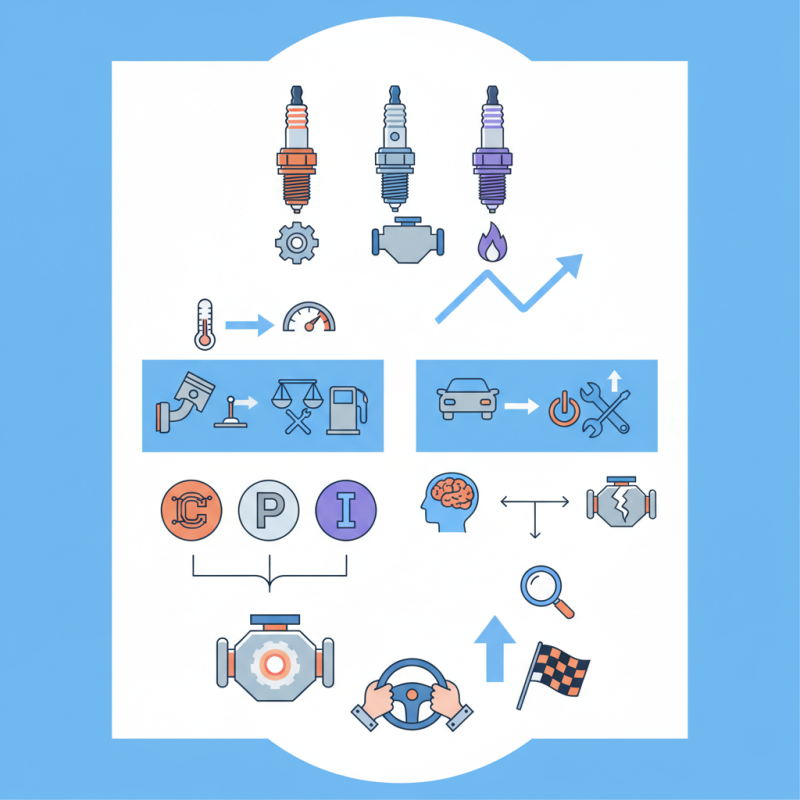
Understanding Spark Plugs and Their Role in Engine Performance
Spark plugs play a crucial role in engine performance by igniting the air-fuel mixture in the combustion chamber. They must operate at high temperatures and withstand pressure, ensuring optimal combustion. According to a study by the Society of Automotive Engineers, the right spark plug can enhance fuel efficiency by up to 10%. This efficiency not only improves performance but also reduces emissions.
Different spark plug types can significantly impact engine function. Copper spark plugs offer good conductivity but have a shorter lifespan. Platinum plugs last longer and provide a more stable performance. Iridium spark plugs, while expensive, deliver superior heat transfer and a longer life. A recent report from the International Council on Clean Transportation emphasizes that using the appropriate spark plug type can increase engine responsiveness. However, choosing the wrong type can lead to misfiring and decreased power output.
Engine performance can waver due to several factors related to spark plugs. Incorrect gap settings can hamper ignition and lead to inefficient combustion. Additionally, spark plug fouling from fuel deposits can cause stalling. Regular maintenance is essential to ensure spark plugs are in optimal condition. Monitoring their status can prevent costly engine repairs.
Best Spark Plug Types for Optimal Engine Performance
| Spark Plug Type | Material | Lifespan (miles) | Temperature Range (°F) | Application |
| Copper | Copper | 20,000 - 30,000 | -10 to 900 | Standard vehicles |
| Platinum | Platinum | 60,000 - 100,000 | -40 to 1,200 | Older to mid-range vehicles |
| Iridium | Iridium | 100,000 - 120,000 | -40 to 1,800 | Performance vehicles |
| Double Platinum | Double Platinum | 100,000 | -40 to 1,200 | Premium vehicles |
| Laser Platinum | Laser Platinum | 100,000 | -40 to 1,200 | High-performance vehicles |
Types of Spark Plugs: A Breakdown of Materials and Designs
When it comes to spark plugs, the material and design can significantly impact engine performance. Copper, platinum, and iridium are the most common materials used today. Copper is a traditional choice, offering excellent conductivity. However, it wears out quickly. This can lead to frequent replacements and more maintenance concerns.
Platinum and iridium spark plugs, while more expensive, provide increased durability. They last longer and can enhance fuel efficiency. The design also plays a key role. For instance, fine-wire designs can help achieve a more efficient ignition. This may improve overall engine performance. However, the complexity of these designs can sometimes lead to installation difficulties.
It's essential to choose wisely based on your engine requirements. Some vehicles may benefit from specific spark plug types, while others do not. Always consult your vehicle’s manual for recommendations. If not, you might end up with underperforming parts. This can lead to regrettable issues down the road.
Choosing the Right Spark Plug for Your Engine Type and Needs
Choosing the right spark plug is essential for optimal engine performance. Different engines require different spark plugs based on their design and operating conditions. Understanding your engine type is critical. For instance, performance engines might benefit from iridium spark plugs, while standard engines often perform well with copper ones.
When selecting a spark plug, consider the heat range. It’s vital to choose plugs that match your engine's operating temperature. A spark plug too hot can lead to pre-ignition, while one too cold can cause fouling. This balance is crucial for efficient combustion.
Tips: Always consult your vehicle's manual. This document provides specific recommendations based on engine requirements. Regularly check spark plugs for wear. Replace them if you notice any signs of damage or excessive deposits. Ignoring this can negatively impact performance and fuel efficiency.
In summary, selecting the right spark plug entails more than just picking a part. Reflect on your driving conditions and vehicle needs. Keep in mind that maintaining the spark plugs enhances engine longevity and performance. Making informed choices will lead to a smoother and more efficient ride.
Best Spark Plug Types for Optimal Engine Performance
Maintaining Spark Plugs for Optimal Performance and Longevity
Maintaining spark plugs is essential for optimal engine performance and longevity. An engine relies on spark plugs to ignite the fuel-air mixture. Regular inspection and timely replacement of spark plugs can make a significant difference in engine efficiency.
One important tip is to check the spark plugs every 20,000 to 30,000 miles, especially if you notice engine misfires or reduced fuel efficiency. Replacing worn-out spark plugs can restore your engine's original power. Consider cleaning carbon deposits from the plugs, as buildup can hinder performance.
Another aspect to consider is the correct gap settings. Each vehicle may require a specific gap for the optimal ignition. Using a feeler gauge can help you measure and adjust the gaps accurately. Ignoring these specifications may lead to poor combustion and reduced engine power. Factors like moisture and dirt can affect spark plugs as well. Proper sealing and cleanliness should be maintained.
Signs of Worn or Faulty Spark Plugs and When to Replace Them
When it comes to engine performance, spark plugs play a vital role. Signs of worn or faulty spark plugs include rough idling, difficulty starting, and reduced fuel efficiency. According to the U.S. Department of Energy, faulty spark plugs can reduce engine efficiency by up to 30%. This not only leads to a decrease in performance but also increases emissions, negatively impacting the environment.
Another indicator of spark plug issues is misfiring, which can cause engine knocking. Misfiring can lead to excessive fuel consumption. A study by the Auto Care Association indicates that over 30% of drivers experience reduced power directly related to spark plug problems. It’s crucial to inspect spark plugs regularly and consider replacing them every 30,000 to 100,000 miles, depending on the type.
Schedule inspections if you notice poor acceleration or unusual noises from the engine. Ignoring these signs can lead to more severe engine issues. A well-maintained spark plug can significantly enhance engine performance and longevity. Regular checks and timely replacements are essential for optimal vehicle operation.





