


What Is the Best Single Cartridge Mechanical Seal in 2026?

In 2026, the best Single Cartridge Mechanical Seal is the one that fits the pump, process fluid, and operating conditions—not simply the most expensive or widely advertised model. Cartridge seals arrive as preassembled units, which can help reduce installation errors. They do not eliminate the need for careful selection or correct setup.

Small details matter. A seal exposed to hot water has different demands from one handling abrasive slurry or a volatile solvent. Pressure, temperature, shaft speed, fluid compatibility, solids, and startup conditions all influence seal performance. The flush or cooling arrangement matters, too. A seal that looks suitable on a product page may struggle when the pump runs far from its normal operating point.

There is no universal winner. Not even close.

This guide will compare the features that make a cartridge seal dependable in real service: seal-face materials, elastomer compatibility, balance design, secondary sealing, and installation requirements. It will also explain how to review manufacturer specifications against the pump’s operating envelope. Where applicable, buyers should check relevant industry standards and confirm details with the seal or pump manufacturer. Ask for documented operating limits, not vague claims about “heavy-duty” performance.

Experience from maintenance teams can add useful context. A seal that installs quickly in a clean workshop may be less forgiving in a cramped pump room, with cold hands and limited access. That practical difference is easy to overlook. The final choice should reflect failure history, maintenance capability, and the cost of downtime—not just purchase price. Some application details may remain uncertain until operating data is verified. That is worth admitting before choosing.
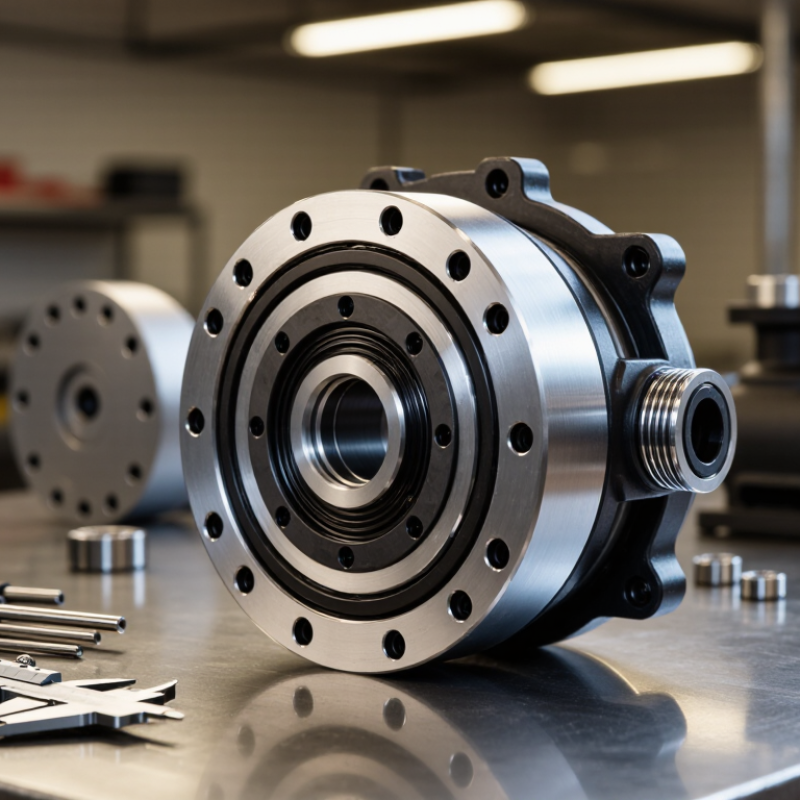
What Is the Best Single Cartridge Mechanical Seal in 2026?

What a Single Cartridge Mechanical Seal Is

What Is the Best Single Cartridge Mechanical Seal in 2026?

A single cartridge mechanical seal is a preassembled unit fitted around a pump shaft. It typically includes rotating and stationary seal faces, secondary seals, springs, and a gland plate. The cartridge keeps these parts aligned during installation. Setting clips often hold the correct working position until the seal is secured. One compact assembly. Compared with assembling separate seal components in the field, a cartridge design can reduce handling and setup errors. Exact features vary, so check the equipment documentation.

Tips: Confirm shaft size, operating speed, pressure, temperature, and fluid compatibility before choosing a seal. Check the installation instructions, too. A small mismatch can cause leakage or premature wear.

The seal faces form a controlled contact area that limits fluid escape while the shaft turns. Their materials must suit the process fluid and operating conditions. Elastomers and metal parts also need compatible temperature and chemical ratings. A cartridge seal can simplify installation, but it cannot correct poor alignment, vibration, or dry running. That distinction is easy to overlook. In practice, selection should begin with pump and process data, not just the cartridge dimensions. When information is uncertain, verify it with the pump or seal documentation before ordering.


How Its Main Components Work Together

A single cartridge mechanical seal works as a coordinated unit, not as a collection of isolated parts. The rotating face turns with the shaft, while the stationary face remains fixed in the gland. Their finely finished surfaces run close together, with a thin fluid film helping limit friction and leakage. The faces do the sealing. Springs maintain contact as small movements and wear occur, while secondary seals limit leakage around the shaft and gland.

The sleeve, gland, and setting clips help keep the assembly positioned during installation. Once the clips are removed, the seal operates within its designed working range. That sounds simple, but shaft runout, vibration, or incorrect piping can still affect performance. A cartridge cannot correct every equipment problem. Even experienced technicians should check the installation details rather than assume a preassembled unit guarantees a trouble-free start.

Tips: Keep the faces and elastomers clean during handling. Confirm shaft dimensions, alignment, and the specified flush arrangement before startup. Never run the seal dry unless its design explicitly permits it. If leakage appears, pause and investigate the operating conditions; replacing the seal alone may not address the cause.

What Is the Best Single Cartridge Mechanical Seal in 2026? — How Its Main Components Work Together

Face-material thermal conductivity helps dissipate heat generated at the sealing interface. The chart shows typical conductivity ranges for common mechanical-seal face materials; actual values vary by grade and temperature.

How the parts work together: The rotating and stationary faces form the primary seal. Springs maintain face contact, while secondary elastomer seals block leakage around the components. The cartridge sleeve and gland hold the assembly together and help simplify installation. No single face material or cartridge design is best for every service; selection depends on the fluid, pressure, temperature, speed, and equipment.

Which Performance Factors Define the Best Seal in 2026

What Is the Best Single Cartridge Mechanical Seal in 2026?

Which Performance Factors Define the Best Seal in 2026

No seal is universal. The best choice depends on the pump, fluid, and operating conditions. Pressure, temperature, shaft speed, fluid chemistry, and solids content define the seal’s working limits. Check startup and upset conditions, not just steady operation. A seal suited to hot, clean water may wear quickly in abrasive slurry. Face materials should resist wear and heat, while elastomers must remain compatible with the process fluid. Shaft movement and vibration also matter; small changes can affect face contact and leakage.

A cartridge design arrives preassembled and can reduce setting errors, but it cannot fix poor alignment or a damaged sleeve. Alignment still matters. Evaluate leakage control during pressure changes, heat removal, and whether the flush plan could become blocked. Installation access and replacement time deserve attention too. A technically capable seal may prove awkward when routine service is difficult. Compare maintenance records, vibration readings, and leakage trends with documented test conditions. Confirm material compatibility and operating limits, including dry-running risks. In practice, incomplete process data can make a “best” choice uncertain, so field feedback should inform the final selection.

How Seal Designs and Materials Compare Across Applications

What Is the Best Single Cartridge Mechanical Seal in 2026?

The best single cartridge mechanical seal depends on the fluid, operating conditions, and maintenance environment. A cartridge arrives assembled, which can reduce installation errors and make replacement more predictable. But it cannot compensate for poor alignment, excessive vibration, or an unsuitable material choice. Not always.

Seal faces often pair hard materials, such as silicon carbide, with carbon. This combination can suit many clean-water duties, while harder faces may resist abrasive wear in slurry service. Elastomers need equal care: EPDM may suit some water applications, while fluoroelastomers tolerate many oils and chemicals. Compatibility varies with concentration and temperature, so check current material data before specifying a seal.

Application details matter. A hot pump handling a thin solvent may need materials and cooling provisions unlike a food-process pump exposed to frequent washdowns. Abrasive solids can score faces; crystallizing fluids may leave deposits around them. That matters. Review pressure, temperature, shaft speed, flush conditions, and expected dry-running risk together. A practical selection starts with the actual process data, not a broad “universal” claim. Even then, operating records may expose assumptions that looked sound on paper.

How to Select a Single Cartridge Seal for a Specific Pump

The best single cartridge mechanical seal is the one that fits the pump’s duty, not the one with the longest feature list. Start with the process fluid: note its solids, viscosity, lubricity, and tendency to crystallize. Then confirm operating and upset pressure, temperature, speed, and shaft dimensions. Small details matter.

Check the seal chamber’s bore, depth, and available axial space against the pump drawing. Record shaft runout and vibration at operating speed; a cartridge cannot correct poor alignment or a damaged sleeve. API Standard 682 provides guidance on seal arrangements and piping plans for centrifugal and rotary pumps. Use it alongside the pump’s service history, not as a substitute for it.

The U.S. Department of Energy’s Improving Pumping System Performance: A Sourcebook for Industry reports that pumping systems account for nearly 20% of global electricity demand. Seal reliability is only one part of that picture, but leakage, maintenance, and unplanned shutdowns affect operating costs. Match the seal materials and support plan to the actual fluid and chamber conditions. A field note: drawings can be incomplete, so verify dimensions on the pump itself before ordering. That extra check can feel tedious. It is still cheaper than discovering a mismatch during installation.

What Is the Best Single Cartridge Mechanical Seal in 2026? — How to Select a Single Cartridge Seal for a Specific Pump

There is no universally best single cartridge seal. The right choice depends on the pump, process fluid, operating conditions, materials, and applicable safety requirements. Use this comparison as a selection guide, then confirm the design against the pump and seal manufacturers’ specifications.

Service or Pump Condition Single Cartridge Seal Design to Consider Why It May Suit the Application Key Checks Before Selection
Clean, cool water or other low-viscosity, non-hazardous liquid Single, balanced cartridge seal with faces and elastomers compatible with the liquid A balanced design can reduce hydraulic closing force on the seal faces. A single arrangement is commonly considered when limited leakage to the surrounding area is acceptable. Confirm suction conditions, seal-chamber pressure, face pairing, elastomer compatibility, and whether the pump provides adequate circulation or flushing.
Hot process liquid or a service with elevated seal-chamber temperature Single cartridge seal selected for the actual temperature, with an appropriate flush or cooling arrangement where required Temperature affects face lubrication, elastomer performance, and fluid behavior. Managing heat at the seal chamber can help maintain the conditions required for reliable operation. Check the maximum and normal temperatures, vapor pressure, elastomer temperature limits, face-material limits, and the required piping plan and utility availability.
Liquid containing suspended solids or abrasive particles Single cartridge seal with a face and chamber arrangement intended for solids-bearing service; consider a suitable clean flush if the process allows it Solids can interfere with the lubricating film and wear seal faces. The appropriate design depends on particle size, concentration, hardness, and whether solids can settle in the seal chamber. Identify solids concentration and particle characteristics; check chamber geometry, flush source and flow, face materials, and whether a different seal arrangement is required.
Viscous, polymerizing, crystallizing, or otherwise prone-to-deposit liquid Single cartridge seal with a seal-chamber and piping arrangement suited to the fluid; evaluate circulation, heating, or flushing needs Deposits or poor circulation can obstruct the seal area and compromise face lubrication. Cartridge construction can simplify installation, but does not by itself prevent fouling. Review viscosity across the operating temperature range, crystallization or curing behavior, cleanability, flush compatibility, and startup and shutdown procedures.
Corrosive liquid Single cartridge seal using corrosion-compatible wetted metal parts, faces, and secondary seals Material compatibility must be assessed for every wetted component, not just the seal faces. Chemical concentration and temperature can change corrosion behavior. Verify the full chemical composition, concentration, temperature, contaminants, and exposure conditions against material compatibility data.
ANSI process pump with a standard seal chamber Cartridge seal designed for the pump’s seal-chamber dimensions and shaft or sleeve interface A pump-specific fit helps ensure correct installation and alignment. “Cartridge” describes an assembled seal unit; it does not guarantee that a seal fits every pump of the same general type. Confirm pump model, chamber dimensions, shaft or sleeve size, gland bolt pattern, working length, and available axial clearance.
Between-bearings or multistage pump Cartridge seal engineered for the pump’s actual chamber pressure, shaft movement, and operating conditions Seal-chamber conditions can differ substantially from discharge pressure, especially in multistage or balance-line configurations. Obtain seal-chamber pressure, shaft runout and movement, speed, temperature, and hydraulic operating range; verify the design with the pump supplier.
Hazardous, toxic, or environmentally regulated liquid Do not assume a single seal is sufficient; assess whether a dual seal or another containment system is required A single seal has one primary sealing interface and may allow leakage. The acceptable arrangement depends on the hazard, emissions limits, regulations, and site risk assessment. Review applicable regulations and process-safety requirements, expected leakage consequences, monitoring needs, and the site’s containment strategy.

Selection note: Operating limits are design-specific and cannot be determined from seal style alone. Before ordering, provide the seal supplier with pump details, fluid composition, normal and maximum pressure and temperature, speed, seal-chamber conditions, and any flushing or cooling requirements. Confirm the final selection against current manufacturer documentation and the applicable standards for the installation.

Powder Coat Booths

For those larger-sized parts, or smaller quantity runs, we have 2 independent powder coat booths and ovens. The quality, durability and affordability of today’s powder coating finishes make this the process of choice for world-class companies.

Powder coating advantages over other forms of coating are many. Materials used in the Powder coating process can be metals and non-metals that come in a multitude of thicknesses, textures, colors, etc. Another of Powder coating’s biggest advantages over conventional coatings is its ability to create finishes in many different textures. Powder Coating Booths allow us the ability to apply these advantages to large products.

Wet Paint Line

Tri-State Fabricators runs a full-service conveyor line for painting. Wet painting can provide protection or decoration to many different part styles. From start to finish, every project is easier to undergo random and point-based inspection by our skilled painting team.

Advantages to our Wet Paint Line are these lines start with product prep and ends with a thorough inspection of a high quality finished product. Our ability to complete large and small projects with a superior finish and doing so in a timely and economical fashion. This passes along the savings in production to our customers. When powder coating ins not an option, our Wet Paint Line gets the job done right the first time.

Wet Paint Booths

When the parts get big and heavy we roll-out our custom paint racks and oversize booth. By utilizing our partnerships with all the major paint brands, we can match virtually any color with wet paint.

The advantages of having access to a Wet Paint Booth are many. Large projects of many different shapes can be loaded into the booth. The Wet Paint Booth offers an environment that is much more controlled than a typical parts painting operation.

Not only are they used because of their controlled environment, but they’re are also advantageous when it comes to applying paint to parts that are needed in industries that require specialty coatings such as medical, aerospace, etc.

Military CARC

Our military forces have some very high standards when it comes to the finish of their vehicles and equipment. From the first pre-treatment step to final coat, it takes a great deal of knowledge and experience to protect the men and women of our armed forces. They deserve only the best, and Tri-State Fabricators provides it.

All of our processes are closely monitored by our staff and management teams. Both of which are highly trained in the processes of metal fabrication and finishing. Tri-State Fabricators’ goal is to always fully satisfy each and every customer, including the military. We will always put a 110% into what we do.

Glass-Bead Blasting

Abrasive media blasting is an excellent way to remove old paint, rust, and increase the paint/powder adhesion. Glass beads produce a much smoother and brighter finish than angular abrasives; leaving the part clean yet without any dimensional change. Chemically inert and environmentally friendly, we can recycle our beads approximately 30 times; making them a more preferred method of metal cleaning or surface finishing.

Advantages to Glass Bead Blasting are many. Glass bead blast media is used when a project is needing rough surfaces need to become smooth for applications of coatings such as paint. It is typically used to clean paint and rust from a product surface without deforming the surface it is being used on. Overall, compared to many other blasting media, Glass Bead Blasting is a very economical choice and those savings are always passed on to our customers.

Part Washing

Tri-State Fabricators utilize a zinc phosphate wash to clean and etch the material to ensure the best paint adhesion possible. The unique design of our 3-stage wash system does the work like a 5-stage. From Cleaning and rinsing to conversion coating and post-treatment, Our Part Washing process is a complete service and works throughout the fabrication service and the finishing service.

Along with the previously mentioned benefits, Curing is a vital chemical reaction that leaves the product finish hard and relatively safe from mild abrasion and aggressive corrosion. This process can be done in more than one way; ambient air-dry or in curing ovens at temps that exceed 240°.

Burn-Off Oven

From fixing paint mistakes (someone else’s of course) to simply cleaning our paint line hooks, our burn-off oven is put to good use. After a quick burn-off, a little clean up, and a fresh coat of paint, your parts will look better than new.

Why does our Burn-Off Oven work so well? Because super heating the air around parts turns the materials into ashes. From paint and powder coatings to rubber and machining oils, high temps do the job without degrading the integrity of the part.

Masking

Masking is a vital part of producing high quality products. We have die-cut masking patterns to protect machined surfaces as well as a wide range of plugs and caps to protect threaded holes and bolts. We provide permanent and temporary masking.

Masking allows the selected sections of a product to be protected from a fabrication or finishing service. This can be with both chemicals when etching and tapes, paints when only finishing just a section of the product. Masking is great in aiding the customization process of a project.

Screen Printing

Screen printing is a photographic process that transfers artwork onto a porous nylon screen which allows colored ink to flow through the screen and be deposited on an aluminum or plastic component. We can generally have just about any design created onto a screen for your parts.

Some of the advantages of Screen Printing are, brand recognition for your business displaying on your products, assembly instructions, product warnings/hazards, etc. Tri-State Fabricators produces Screen Printing of the highest quality so you know it’s durable.

Metal Finishing

Metal Finishing is the art of treating the exterior portion of product, often metal but can also be made of other materials, so that the surface is clean and free of any debris. Then the process of applying coats or either paint of powder coat takes place. This coating process improves the quality of the product in both appearance and resistance to wear and corrosion.

Tri-State Fabricators, Inc., understands that a project typically isn’t complete until a high-quality finish has been added to your product. This is why our painting and powder coating teams continuously inspect the products throughout the Metal Finishing process.
