Best Shrink Tunnel Machine for Your Packaging Needs?
In today’s fast-paced packaging industry, choosing the right equipment is crucial. The Shrink Tunnel Machine stands out as a vital asset for many businesses. According to a recent report by Smith Packaging Solutions, 75% of companies experience efficiency gains after integrating modern shrink tunnels. These machines not only improve the appearance of products but also enhance their protection. Industry expert Johnathan Reed emphasizes, "A well-selected Shrink Tunnel Machine can significantly reduce labor costs and improve throughput."
Yet, not all shrink tunnels are created equal. Businesses must consider factors like size, energy efficiency, and speed. It's essential to balance between quality and cost. Some companies have faced challenges in finding the right machine that fits their specific needs. Often, overlooked features lead to operational frustrations. The right Shrink Tunnel Machine can support various industries, from food to electronics, highlighting its versatility.
However, the journey to finding the best fit requires careful consideration. Prospective buyers should research and analyze their unique requirements. Factors like throughput, shrink characteristics, and energy consumption are vital. Without this insight, companies may face pitfalls. Investing time in understanding these machines can lead to a successful packaging solution.
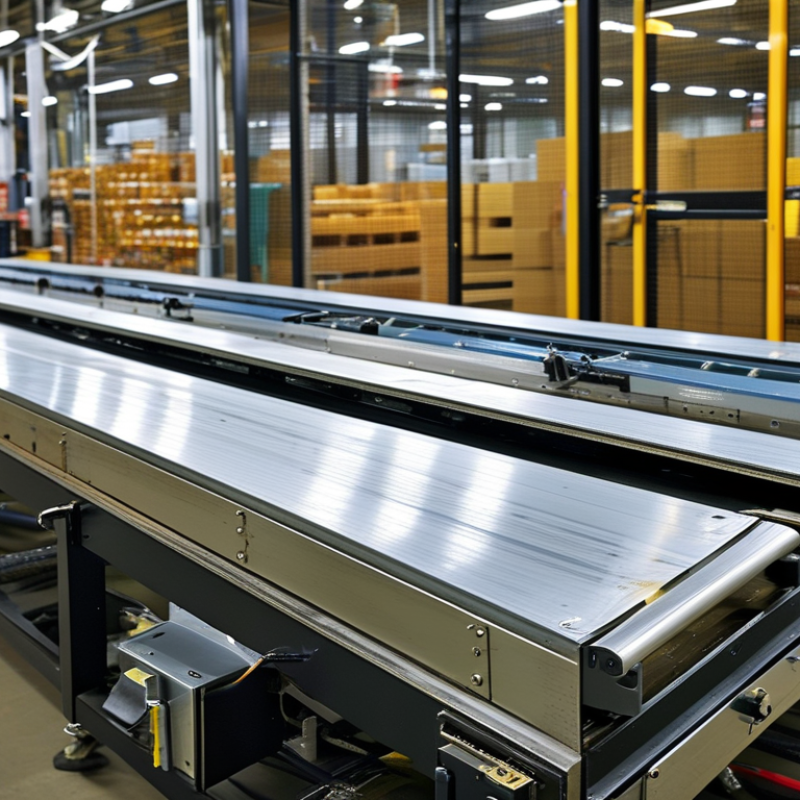
Understanding Shrink Tunnel Machines: A Comprehensive Overview
Shrink tunnel machines play a crucial role in the packaging industry. They use heat to shrink plastic film around products, ensuring secure sealing. According to a report by Smithers Pira, the global shrink film market is expected to reach $8.8 billion by 2025, indicating a growing reliance on these machines. Understanding how they work can optimize your packaging process.
These machines come in various sizes and heating mechanisms, impacting their efficiency and suitability for different products. Some use steam, while others rely on convection heat. Research by Grand View Research suggests that shrink tunnel machines with advanced automation can reduce labor costs by nearly 30%. However, not all businesses understand the nuances of choosing the right machine. Misjudging the required speed or heat settings can lead to packaging failures.
Maintenance of shrink tunnel machines is another critical aspect. Regular checks can prevent downtime. Yet, many operators overlook this. Neglect can result in inconsistent results. A study by the Packaging Machinery Manufacturers Institute indicates that about 25% of users face issues due to improper maintenance. Thus, understanding shrink tunnel machines goes beyond initial purchase considerations. It involves continuous learning and adaptation.
Key Features to Consider When Choosing a Shrink Tunnel Machine
When selecting a shrink tunnel machine, consider several key features. The machine's size must accommodate your products. Ensure it fits within your production area without causing bottlenecks. Variable speed settings are important as they allow you to adjust the conveyor speed based on the product's material and size. This flexibility can significantly enhance packaging efficiency.
Temperature settings are another crucial factor. Precise temperature control is essential for effective shrinking. A machine that offers adjustable heat ensures consistent results across different products. Watch for machines that have temperature gauges, as they provide real-time insights into the process. This helps maintain product quality and reduces the chance of damage.
Incorporating automation features can improve productivity. Look for machines with easy-to-use interfaces and programmable settings. This can reduce human error and streamline your workflow. With complex packaging needs, always reflect on your evolving requirements. Re-evaluate your choice if your production volume changes. A versatile shrink tunnel machine can adapt, but ensuring it aligns with your current demands is vital for success.
Different Types of Shrink Tunnel Machines and Their Applications
Shrink tunnel machines are essential in modern packaging. They offer efficient ways to secure products with shrink film, enhancing both protection and appearance. Understanding different types can help businesses choose wisely.
There are several types of shrink tunnel machines, each with unique applications. For instance, the low-speed machine is suitable for small operations. It can shrink wrap bottles, jars, or food items efficiently. On the other hand, high-speed machines are designed for larger enterprises. They can handle higher volume outputs, making them ideal for mass production.
Some machines have adjustable temperature controls, enabling customization for different materials. This feature is crucial, as overheating can damage products. Additionally, certain machines are equipped with conveyors, improving workflow. This setup can sometimes cause challenges, like uneven shrinkage if not monitored properly. It's vital to regularly inspect and evaluate machine performance to ensure consistent quality.
Benefits of Using a Shrink Tunnel Machine in Packaging Solutions
Shrink tunnel machines are essential for modern packaging solutions. They provide a streamlined way to secure products in shrink film. This technique enhances product presentation and protects items during transport. Research indicates that using shrink tunnel machines can reduce packaging waste by up to 30%. This efficiency can lead to significant savings over time.
Implementing a shrink tunnel machine often improves productivity. It allows for faster packaging rates compared to manual methods. According to industry reports, companies that have switched to automated shrink tunnels report a 20% increase in their packaging speed. However, selecting the right machine can be challenging. Different products require different heating configurations. Reflecting on your specific needs is crucial.
Consider the size, shape, and material of your products. The right adjustments can maximize the efficiency of your shrink tunnel. Regular maintenance is necessary to ensure optimal performance. Overlooking this aspect may lead to unplanned downtime, which can impact productivity. Assessing your workflow before integration will help in making informed decisions.
Tips for Maintaining Your Shrink Tunnel Machine for Optimal Performance
Maintaining a shrink tunnel machine is essential for ensuring optimal performance. Regular inspection is key. Check for wear and tear on components. Look out for any signs of overheating or unusual noises. These issues can lead to larger problems if not addressed promptly.
Cleaning the machine also plays a crucial role. Accumulated dust and debris can affect efficiency. Use a soft cloth and non-abrasive cleaner for maintenance. Make sure to pay attention to the heating elements. Keeping these clean enhances the quality of the shrink wraps produced.
It's vital to follow the manufacturer's guidelines for maintenance schedules. However, technology can sometimes fail. There might be moments when troubleshooting becomes necessary. Don't hesitate to consult professional advice in such cases. Fine-tuning the machine periodically can help in achieving consistent results. Regular evaluations will lead to a smoother operation over time. This can save both time and resources in the long run.
Performance Metrics of Shrink Tunnel Machines





