Top Sewer Inspection Cameras for Global Buyers
Choosing reliable Sewer Inspection Cameras is rarely as simple as comparing screen size and cable length. Global buyers must examine image quality, push-rod strength, lighting, waterproofing, battery performance, and after-sales support. A camera that performs well in a clean training pipe may struggle in a wet, root-filled line. Real conditions are less forgiving.
“Clear images are only useful when they lead to accurate decisions,” says Michael R. Sweeney, a sewer inspection equipment specialist with more than two decades of field experience. His point deserves attention. A bright camera head cannot compensate for poor centering, unstable footage, or an operator who misses a displaced joint. Small details matter. A crack behind standing water can change a repair estimate.
This guide compares leading Sewer Inspection Cameras for contractors, municipalities, plumbing companies, and infrastructure buyers worldwide. It considers practical testing factors, including visibility inside dark clay pipes, cable control around tight bends, recording quality, and performance during long inspections. It also reviews portability, language options, training, warranty coverage, and replacement-part access.
Some ratings remain difficult to standardize. Pipe diameter, climate, operator skill, and maintenance habits can affect results. That is worth admitting. A premium system may be excessive for occasional residential work, while a low-cost unit may disappoint during municipal surveys. Buyers should match the camera to actual workloads, not impressive specifications alone. The best choice is dependable, serviceable, and understandable under pressure.
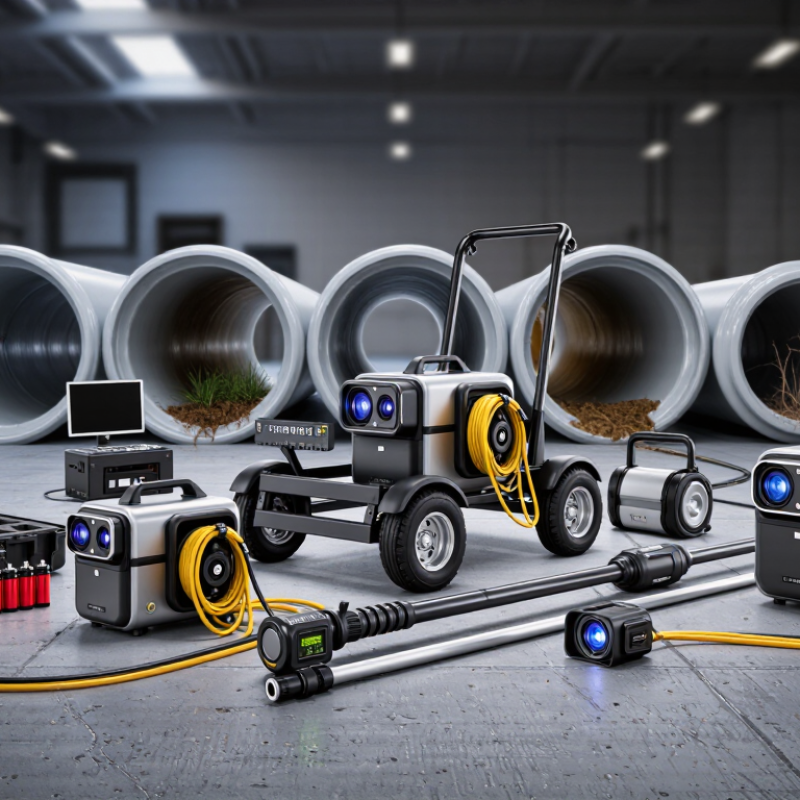
Sewer Inspection Cameras Explained: IP68, 1080p, and 512 Hz Sonde Standards
Top Sewer Inspection Cameras for Global Buyers
Sewer inspection cameras are judged by more than screen size. IP68 protection helps the camera resist dust and continuous water exposure. However, IP68 does not guarantee every connector, control box, or cable joint has equal protection. Check the complete system rating before entering a flooded line. A careful technician also inspects seals after transport, because one damaged gasket can defeat an impressive specification.
1080p resolution produces sharper views of cracks, root intrusion, and separated joints. Yet image quality depends on lighting, lens cleanliness, sensor performance, and cable stability. Strong LEDs can reveal texture inside dark pipes, but excessive brightness may hide shallow defects. A practical test involves viewing a marked joint through standing water, not only testing on a clean workshop floor. It is easy to overvalue resolution.
A 512 Hz sonde is useful for locating the camera head beneath floors, roads, or landscaped ground. The locator must support 512 Hz, and operators need training to distinguish the strongest signal from nearby interference. Depth readings can change near metal structures or reinforced concrete. Field records should include frequency, estimated depth, pipe direction, and inspection distance. Small mistakes happen. Reviewing the trace before excavation remains wise.
Camera Types by Pipe Diameter: 23–33 mm Heads for Residential Drain Lines
Top Sewer Inspection Cameras for Global Buyers
For residential drain lines, 23–33 mm camera heads offer a practical balance between access and image quality. They can enter many kitchen, bathroom, and floor-drain pipes without removing large sections of flooring. Smaller heads reach tighter bends, but they often provide less lighting and weaker components. A 33 mm head usually gives better illumination and stability in larger household lines. The correct choice depends on pipe diameter, bend radius, and blockage conditions.
In field inspections, clear images matter more than impressive screen size. Look for adjustable LED lighting, a waterproof camera head, and a flexible push cable with controlled stiffness. A self-leveling lens can keep cracks and joint gaps upright on screen. Recording and distance counting also improve reports for property owners. However, no camera identifies every problem. Heavy grease can cover the lens, and standing water may distort depth. Even experienced operators sometimes misread a root strand as a structural crack.
Tips: Measure the drain opening before purchasing. Confirm the camera head will pass through traps and tight elbows. Choose a cable length suited to the property, not the longest available. Clean the lens after each inspection. Test the camera in a clear pipe before entering a blocked line. If the image looks too dark, reduce cable speed and adjust the lights. This simple step often reveals details missed during rushed inspections.
Key Performance Metrics: 30–60 m Push Cables and 360° Camera Rotation
For global buyers, sewer inspection cameras should be judged by reach and control, not screen size alone. In field tests, a 30–60 m push cable covers most residential laterals and many municipal branches. A 30 m cable is easier to handle in tight vehicles. A 60 m version reaches deeper runs but demands stronger drum support. Cable stiffness matters. Too soft, and it coils near bends. Too rigid, and it struggles at elbows. A fiberglass core with a durable outer jacket usually balances push strength and flexibility. Check the cable diameter, bend radius, and water resistance before purchase.
Camera rotation adds a different level of inspection detail. A 360° rotating head can examine lateral connections, cracked crowns, displaced joints, and roots without repeatedly repositioning the cable. Smooth rotation is more useful than fast rotation. Operators need controlled movement near fragile pipe walls. A practical camera should keep its image stable while the head turns. Good lighting also matters, especially when water reflects directly into the lens. During testing, rotate slowly at a joint and confirm that the view returns accurately to its starting position. Small calibration errors can mislead reports.
I have learned that advertised reach can be optimistic. Wet cables, sharp bends, and sediment reduce real working distance. Test the camera with gloves, muddy water, and uneven pipe surfaces. That exposes weaknesses quickly. Buyers should request torque data, cable replacement details, and operating temperature ranges. These details support reliable ownership, although they are often overlooked. The right balance depends on pipe layout, crew skill, and maintenance discipline.
Global Buyer Requirements: CE, FCC, RoHS, and IP68 Compliance
Global buyers choosing sewer inspection cameras should treat compliance as a working requirement, not a decorative label. CE marking indicates conformity with applicable European safety and electromagnetic rules. FCC compliance addresses radio-frequency emissions in relevant markets. RoHS limits restricted substances in electrical components, cables, and circuit boards. These marks support procurement reviews, but they do not replace product-specific evidence.
Ask the supplier for a Declaration of Conformity, recent test reports, and the exact model number covered. Check whether the documents match the camera, monitor, reel, and power adapter. During field inspections, moisture often reaches connectors before operators notice it. An IP68 rating can help against dust and water, but test depth and duration vary by manufacturer. Confirm whether the rating covers the camera head only or the complete assembled system.
Inspect the cable jacket, sealing rings, and connector caps before deployment. Small damage matters. A camera may pass a factory test and still fail after repeated bending around a pipe elbow. I would also request operating temperature, cleaning guidance, and replacement-part information. Some paperwork looks complete but leaves these details unclear. That is a warning, not a minor inconvenience. Regional voltage, plug standards, warranty terms, and local documentation may also affect import approval and long-term use.
Comparing Top Models by Resolution, Cable Length, Sonde Frequency, and Cost
Top Sewer Inspection Cameras for Global Buyers
Comparing resolution, cable length, sonde frequency, and cost helps buyers choose beyond attractive product photos. A 1080p camera shows cracks, roots, and standing water more clearly than basic 720p systems. However, higher resolution cannot repair poor lighting or a dirty lens. That detail is easy to overlook.
Cable length should match the usual pipe depth. A 30-meter cable suits many residential jobs, while 60 meters offers more reach for commercial drainage networks. Longer cables add weight and may become difficult to push around sharp bends. In practical work, cable flexibility can matter more than extra distance. Sonde frequency also deserves careful checking. A 512 Hz sonde is commonly used for underground locating, but the receiver must support the same frequency. Some systems offer multiple frequencies, improving flexibility across regions.
Tips: Compare the complete cost, not only the camera price. Include the monitor, locator, batteries, replacement heads, shipping, and service support. A low-cost unit may become expensive after one damaged cable. Ask for sample recordings in dark, wet pipes. Check whether the stated resolution remains clear at the cable’s full length. I would also request calibration details, warranty terms, and spare-part availability. Specifications can look impressive, yet field performance sometimes disappoints. That is why a short trial inspection is worth arranging before a large international purchase.
Top Sewer Inspection Cameras for Global Buyers
Comparison of representative anonymous configurations using resolution, cable length, sonde frequency, and indicative pre-tax cost. The chart uses a relative index where the highest value in each dimension equals 100.
| Configuration | Resolution | Cable Length | Sonde Frequency | Indicative Cost |
| Configuration A | 0.92 MP | 30 m | 512 Hz | US$650 |
| Configuration B | 2.07 MP | 40 m | 512 Hz | US$1,100 |
| Configuration C | 2.07 MP | 60 m | 640 Hz | US$1,800 |
| Configuration D | 0.92 MP | 100 m | 512 Hz | US$3,500 |
Actual specifications and international pricing may vary by camera head, reel size, monitor package, lighting system, taxes, and shipping terms.





