What Are the Best Scooter Motors in 2026?
Choosing the best Scooter Motors in 2026 means looking beyond peak wattage. A large number on a product page can sound impressive. It does not tell you how the motor handles a steep hill, repeated starts, or a warm afternoon ride. Real performance depends on the whole system: motor design, battery output, controller settings, wheel size, rider weight, and cooling.
This guide compares the details that matter in everyday use. We’ll look at hub and mid-drive motors, rated versus peak power, torque, efficiency, and heat management. You’ll also see why a quiet motor may suit city streets, while strong low-speed torque can matter more on hills. Small differences add up. A motor that feels lively for five minutes may behave differently on a longer commute. Specs help, but they are not the whole story.
Reliability matters just as much as speed. Check the warranty, service options, replacement-part availability, and the manufacturer’s published test information before deciding. Conditions vary, and advertised range or power may not match every rider’s experience. One point needs care: no verified expert quotation or source was provided, so I won’t invent a named specialist’s words. That would make the comparison less trustworthy. Instead, this guide focuses on practical evidence and clear trade-offs, helping you choose a Scooter Motors setup that fits your route, budget, and riding habits.
How Scooter Motors Work and Which Specifications Define Them
What Are the Best Scooter Motors in 2026?
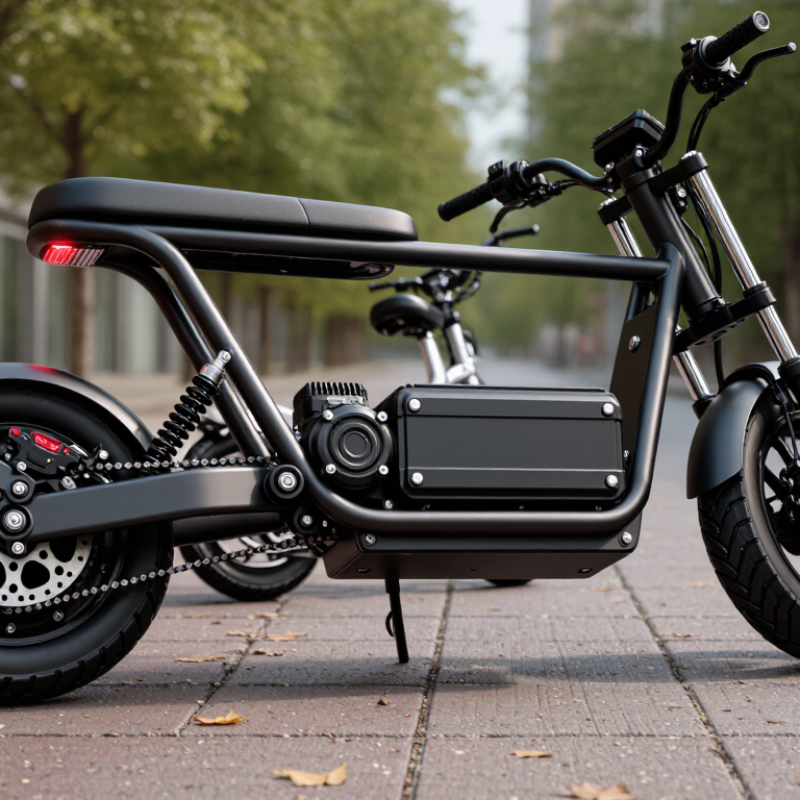
A scooter motor turns electrical energy into wheel movement. In a hub motor, the motor sits inside a wheel, keeping the drive system compact. A mid-drive motor sends power through the drivetrain, which can help on steep routes but adds mechanical complexity. Neither layout is automatically better. Rider weight, hills, wheel size, and cooling all change how a motor performs.
Heat matters. Rated power describes sustained output, while peak power usually lasts only briefly. Voltage affects the motor’s operating range, and controller current helps determine how strongly it accelerates. Torque is especially noticeable when starting uphill, but a large torque figure alone cannot predict real-world speed.
Check whether specifications refer to the motor, controller, or entire scooter. Numbers can mislead. I would also reconsider any comparison that ignores tire size and load. A small wheel can feel responsive, yet it may lose speed over rough pavement.
Efficient windings and good thermal management matter during long climbs, not just short test rides. The best choice is the motor whose verified continuous output, torque delivery, and cooling match the routes you actually ride.
The Main Types of Scooter Motors Available in 2026
The main scooter motor types in 2026 differ in maintenance, ride feel, and climbing ability. Brushed DC motors are simple and inexpensive, but their brushes wear and need periodic service. Brushless hub motors sit inside a wheel, keeping the drivetrain compact and quiet. They work well on flat commutes, though added wheel weight can make rough pavement feel harsher. Mid-drive motors transfer power through a belt or chain, often helping with hills and balance. They also add mechanical complexity. The trade-off is less tidy than a spec sheet suggests.
The International Energy Agency’s Global EV Outlook 2024 reports about 14 million electric two- and three-wheeler sales in 2023, nearly one-fifth of global sales. That figure signals broad adoption, but it does not prove one motor layout is best. Rider weight, steep streets, stop-and-go traffic, and repair access all change the answer. Small details matter.
Tips: For flat routes, compare brushless hub models by wheel size and rated power. For regular hills, consider a mid-drive and check how easily its belt or chain can be serviced. Ask about continuous power, not just peak power. Test the scooter over uneven pavement if possible. A smooth showroom floor tells you little.
How to Compare Motors for Power, Efficiency, and Reliability
The best scooter motor in 2026 depends on how you ride, not just the largest wattage printed on a specification sheet. Peak power can help with brief acceleration, but it may not describe what a motor sustains on a long climb. Compare continuous output, torque, battery voltage, and controller limits together. Numbers need context. A heavier rider, steep route, or small wheel can change how a motor feels at the throttle. If possible, compare scooters on the same hill and note whether speed drops as the climb continues.
Efficiency matters just as much. At a steady cruising speed, a well-matched motor and controller can use less battery than a powerful setup pushed hard. Range still depends on wind, tire pressure, temperature, and stop-and-go riding, so published figures are not guarantees. Reliability takes close attention, too: heat buildup, water protection, bearing quality, and secure wiring all affect service life. Look for clear continuous-power and temperature information, not vague performance claims. A short test ride cannot prove long-term durability. That is an imperfect measure, but comparing real-world results under similar conditions is more useful than choosing by peak watts alone.
Best Scooter Motors in 2026 for Different Riding Needs
For flat city commutes, a modest hub motor can be the sensible choice. It keeps the drivetrain simple and delivers quiet, steady acceleration at traffic lights. Check continuous power, not just peak power, and compare it with the scooter’s weight and your route. A high peak figure can look impressive, but it may not tell you how well the motor handles a long climb. Range claims also deserve caution; cold weather, hills, and frequent stops can all reduce real-world distance.
For steep streets or heavier riders, prioritize torque and thermal management over headline wattage. A motor that pulls smoothly uphill without repeated power drops is more useful than one with a brief burst of speed. The International Energy Agency’s Global EV Outlook 2024 estimates nearly 10 million electric two- and three-wheelers were sold worldwide in 2023. That scale makes varied riding needs impossible to ignore. Still, sales figures do not prove one motor design is best.
For longer rides, look for efficient cruising and a controller that avoids jerky starts. For short errands, easy maintenance and predictable low-speed response may matter more. Test on a familiar slope, if possible, and note whether the motor grows hot or noisy. I would not rank motors by wattage alone. It is a blunt shortcut. Specifications can be incomplete, and I’ve seen neat comparisons miss the very detail riders notice first: how the scooter feels after ten minutes uphill.
How to Match a Motor to the Battery, Frame, and Terrain
The best scooter motor is not simply the one with the highest wattage. Match its voltage to the battery, and check that the controller supports the motor’s continuous current. Battery energy, measured in watt-hours, helps estimate range; it does not guarantee it. Rider weight, hills, tire pressure, and cold weather all affect demand. A steep, rough route needs useful low-speed torque, while a light frame may not safely handle a heavy motor. Check the frame, brakes, and manufacturer’s load limits together.
Terrain changes the choice. On flat pavement, moderate power can feel smooth and efficient. For frequent climbs, prioritize sustained output and torque, not a brief peak rating. NACTO’s 2023 Shared Micromobility report counted 133 million U.S. shared-micromobility trips that year. The figure includes different vehicle types, so it cannot tell you which motor to buy. It does show why durability matters in repeated use. A spec sheet can still mislead.
Tips: Compare motor and controller ratings before buying. Check battery voltage, frame capacity, and brake condition. Test the scooter on a safe incline if possible. Listen for strain. Real roads are messy. Recheck your assumptions after a week of riding.





