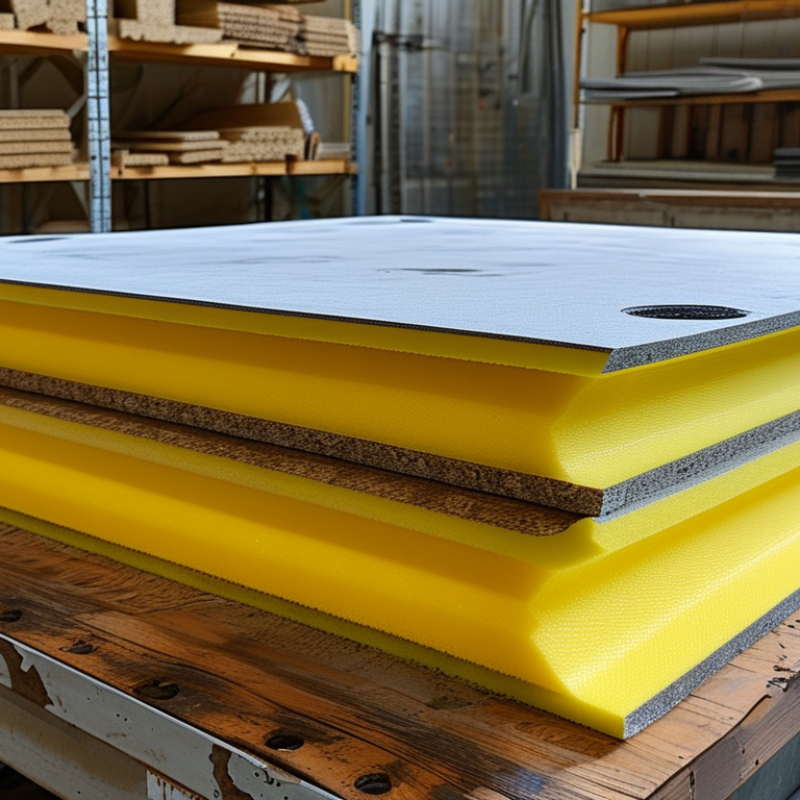
Best Rubber Foam Sheet for Soundproofing and Insulation Solutions?
Finding the best Rubber Foam Sheet for soundproofing and insulation solutions can be challenging. These sheets are essential in various applications, from industrial spaces to home theaters. Their unique properties make them a preferred choice for effective sound damping and thermal insulation.
Rubber Foam Sheets provide a versatile solution. They reduce noise pollution and improve energy efficiency. Each product has different specifications, which can be overwhelming. It’s crucial to select a sheet that meets your specific needs. Research into densities and thicknesses will help make an informed choice.
Many users overlook installation challenges. Proper installation is key to maximizing effectiveness. Even high-quality sheets may not perform well if incorrectly applied. Therefore, one should consider professional advice or thorough guides when using Rubber Foam Sheets.
What is Rubber Foam and Its Properties for Soundproofing?
Rubber foam is a versatile material well-known for its soundproofing properties. Made from natural or synthetic rubber, it offers excellent insulation against noise. According to the Acoustical Society of America, rubber foam can reduce sound transmission by up to 30 decibels. This attenuation is crucial in environments like studios, offices, or residential spaces where noise control is vital.
The structure of rubber foam plays a significant role in its effectiveness. Its closed-cell design traps air pockets, which helps absorb sound waves. This unique property allows rubber foam to diminish low-frequency noise, making it ideal for soundproofing solutions. Studies suggest that using rubber foam sheets alongside other materials can enhance overall soundproofing performance.
Tips: When choosing rubber foam for your project, consider its density. Higher density provides better sound insulation. Also, evaluate the thickness of the foam; thicker sheets generally offer greater sound reduction. Not all rubber foams perform equally, so research is essential before making a decision. Reflecting on your specific noise challenges will lead to more tailored solutions.
Best Rubber Foam Sheet for Soundproofing and Insulation Solutions
Types of Rubber Foam Sheets Suitable for Insulation Solutions
When it comes to soundproofing and insulation, rubber foam sheets are top contenders. These sheets vary in type, each offering unique benefits. Closed-cell rubber foam provides great thermal insulation. It also acts as a barrier against moisture. Open-cell rubber foam is more flexible and lightweight. It absorbs sound effectively but may not be as durable.
Consider the thickness of the foam. Thicker sheets often provide better sound insulation. Density also matters; denser materials can absorb more sound. If you're unsure about your needs, start with samples. This helps in determining the right fit.
Tips: Ensure a proper seal during installation. Gaps can reduce effectiveness. Always check the manufacturer's specifications. Understanding your environment will guide you in making the right choice.
Benefits of Using Rubber Foam for Soundproofing Applications
Rubber foam is increasingly recognized for its excellent soundproofing properties. This material effectively absorbs sound waves, reducing noise levels in various environments. Whether in homes, offices, or studios, rubber foam acts as a barrier against unwanted noise. It helps create a quieter space, enhancing comfort and focus.
Using rubber foam for insulation offers additional benefits. Its lightweight nature makes installation easy. It fits well in various spaces, from walls to ceilings. Rubber foam is also resistant to moisture and mold, ensuring durability over time. These qualities make it a reliable choice for many soundproofing needs.
However, not all rubber foams are created equal. Some may not provide the desired level of soundproofing. It's essential to assess specific needs and environments before selecting the right foam. This process may involve trial and error to find the best fit. Understanding these differences can lead to better sound control in your space.
How to Choose the Right Rubber Foam Sheet for Your Needs
Choosing the right rubber foam sheet for soundproofing and insulation requires careful consideration. Begin by assessing your specific needs. Are you blocking noise from external sources or reducing echoes within a space? Different applications demand different foam densities and thicknesses. Commonly, a thicker foam will provide better sound absorption.
When evaluating options, look at the technical specifications. Density matters. Higher density foams often yield superior soundproofing. Additionally, consider the material's intended use. Some rubber foams are designed for industrial applications, while others suit residential spaces. It’s critical to match the foam type with your environment.
You can also think about installation methods. Some rubber foam sheets are easier to install than others. Make sure to check the adhesive compatibility if you plan to glue the sheets. A common mistake is overlooking the need for proper sealing around edges. This can lead to inefficient soundproofing. Reflect on your selection process, and don't hesitate to seek expert advice when needed.
Best Rubber Foam Sheet for Soundproofing and Insulation Solutions
| Property | Description | Application |
| Density | Ranges from 20 kg/m³ to 60 kg/m³ | Acoustic insulation, vibration dampening |
| Thickness | Available in thicknesses from 5mm to 50mm | Wall, ceiling, and floor applications |
| Acoustic Performance | NRC ratings up to 0.95 | Recording studios, home theaters |
| Temperature Resistance | -30°C to +100°C | HVAC systems, refrigeration units |
| Chemical Resistance | Resistant to oils, acids, and solvents | Industrial applications, workshops |
| Installation | Easy to cut and install | DIY projects, professional installations |
Installation Tips for Effective Soundproofing with Rubber Foam Sheets
When it comes to soundproofing with rubber foam sheets, installation plays a crucial role. The right technique ensures optimal results. Begin by measuring the area you want to treat. Accurate measurements help minimize waste and maximize coverage. Cut the foam sheets to fit snugly around doors, windows, and walls. Gaps can let sound in, reducing effectiveness.
Applying adhesive evenly on both surfaces is vital. Use a roller for a smooth application. This ensures good contact and better sound absorption. After the sheets are in place, consider sealing the edges with acoustic caulk. This extra step can prevent air leaks.
Remember that soundproofing is an iterative process. If the results aren't to your satisfaction, reevaluate your installation method. Perhaps adjust the sheet thickness or explore layering techniques. Each space is unique, and your approach may need fine-tuning. Embrace this trial and error as part of the journey towards achieving the perfect soundproof environment.