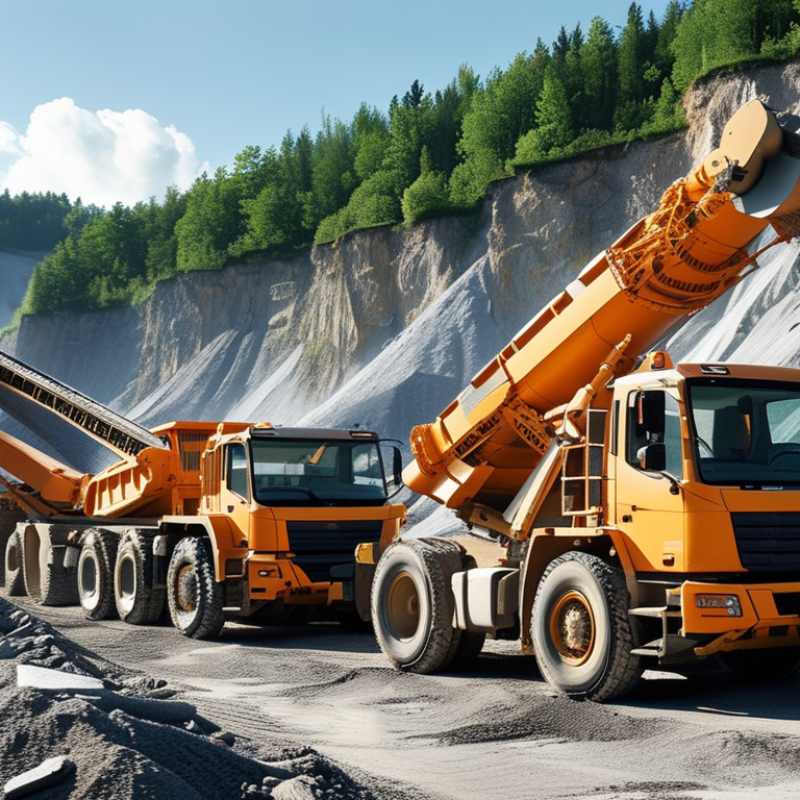
Best Rock Conveyor Systems for Efficient Material Handling?
Efficient material handling is crucial for industries working with heavy materials. Rock Conveyor systems provide a streamlined solution for transporting rock and other aggregates. These systems minimize human labor and reduce operational costs, proving essential for productivity.
When selecting a rock conveyor, factors like capacity, material compatibility, and space constraints come into play. Many companies overlook these details, leading to inefficiency. A robust rock conveyor should withstand harsh environments while maintaining performance.
Inspection and maintenance are often neglected. Regular checks can prevent downtime and extend the equipment’s lifespan. An effective rock conveyor system is more than just a transport system; it symbolizes a commitment to efficiency and reliability in material handling.
Types of Rock Conveyor Systems for Material Handling Applications
When it comes to rock conveyor systems, various types cater to diverse material handling applications. These systems enhance efficiency in transporting heavy materials, but each type serves specific needs. For example, belt conveyors are widely used due to their versatility. They can handle a range of materials from small rocks to large boulders. However, they may struggle in extreme weather conditions.
Another type is the screw conveyor. This system uses a rotating screw to move materials. It is particularly effective for transporting materials at an angle. However, it can be less efficient for larger rocks, leading to potential clogs. Proper maintenance is crucial to avoid these pitfalls.
Bucket elevators are also notable, especially for vertical movement. They effectively lift materials to various heights. Yet, they can wear out quickly if overloaded. Understanding the limitations of each system is important in optimizing performance. By considering these factors, users can better select the right conveyor system for their specific requirements.
Advantages of Using Rock Conveyor Systems in Material Transportation
Rock conveyor systems play a crucial role in efficient material handling. These systems transport heavy materials quickly over long distances. They reduce the need for manual labor, which can be unsafe and time-consuming. By utilizing conveyor systems, companies enhance productivity and minimize operational costs.
One significant advantage is the reduction of material loss. Traditional transport methods can lead to spills and damage. Conveyor systems ensure efficient movement of rocks, decreasing waste. Their durability allows for continuous operation, even in harsh environments. This reliability proves essential for industries like mining and construction.
Despite their benefits, these systems can also pose challenges. Maintenance is vital for optimal performance. Neglect may result in breakdowns and increased downtime. Investing in regular checks can mitigate these risks. With a thoughtful approach, rock conveyor systems offer a robust solution for material transportation.
Key Features to Consider When Selecting a Rock Conveyor System
When selecting a rock conveyor system, several key features should be prioritized. One crucial aspect is the material handling capacity. According to a report by the International Journal of Rock Mechanics, systems with a capacity of 500 tons per hour are increasingly in demand. It’s essential to assess if the conveyor can handle your specific volume and type of rock efficiently.
Another important feature is the belt design. A wider belt allows for better load distribution and reduces wear over time. Studies indicate that conveyor systems with reinforced belts can last up to 30% longer than standard options. Additionally, the inclination angle of the conveyor plays a significant role. An angle greater than 30 degrees can complicate material transfer, increasing operational risks.
Maintenance accessibility is another significant factor. Conveyors that are designed for easy access reduce downtime. A report from the National Institute of Occupational Safety and Health emphasizes the importance of minimizing maintenance risks. Ultimately, balancing these features is crucial for efficient operation while considering both productivity and safety.
Best Rock Conveyor Systems for Efficient Material Handling
| Feature | Description | Importance |
| Load Capacity | The maximum weight the conveyor can handle per hour. | Critical for determining suitability for specific materials. |
| Belt Width | The width of the conveyor belt affects the volume of material it can carry. | Essential for efficiency and material flow. |
| Conveyor Length | The distance the conveyor travels from start to end. | Affects installation complexity and spatial requirements. |
| Motor Power | The horsepower of the motor driving the conveyor. | Determines the speed and efficiency of material transport. |
| Material Type | The type of material being handled, such as rocks, gravel, etc. | Influences design and material choice for the conveyor. |
| Durability | The conveyor's resistance to wear and tear over time. | Crucial for long-term cost-efficiency and maintenance. |
| Safety Features | Inclusion of safety guards, emergency stop buttons, etc. | Necessary for compliance and worker safety. |
| Flexibility | Ability to adapt to different layouts and operations. | Allows for versatility in handling various processes. |
Maintenance Best Practices for Rock Conveyor Systems
Regular maintenance of rock conveyor systems is vital for operational efficiency. According to industry reports, a well-maintained system can reduce operational downtime by 30%. This improvement translates into significant cost savings and higher productivity levels in material handling operations. Conveyor systems are exposed to harsh conditions, leading to potential wear and tear. Focusing on routine checks for belt alignment and tension can avoid costly breakdowns.
Implementing scheduled maintenance is essential. Inspections should cover the entire system, from pulleys to rollers. Keeping a maintenance log helps track performance trends. Use vibration analysis to detect issues early. This proactive approach helps prevent unplanned downtime.
Here’s a quick tip: lubricate moving parts regularly to extend lifespan. Another suggestion is to train staff for routine inspections. Employees often overlook small issues, which can escalate if not addressed. Seeking input from the team can improve maintenance practices. Ultimately, creating a culture of responsibility can lead to enhanced operations.
Innovative Technologies in Rock Conveyor System Design and Efficiency
Rock conveyor systems play a crucial role in material handling, particularly in mining and construction. Recent advancements have introduced innovative technologies that enhance efficiency and reliability. For instance, high-capacity conveyors are now capable of transporting up to 5,000 tons of material per hour. This maximizes production while minimizing operational delays.
One notable development is the integration of smart sensors in conveyor systems. These sensors monitor performance in real-time. They can detect potential issues before they cause breakdowns, significantly reducing downtime. According to a recent industry report, companies implementing these technologies reported a 30% reduction in maintenance costs.
Another area of innovation is the use of modular designs. These allow for quick adjustments to system configurations. Such flexibility is vital in projects that require rapid changes in material handling needs. However, it is important to acknowledge that some systems can become overly complex. This complexity may lead to increased training requirements for operators and maintenance staff. Balancing innovation with usability remains a challenge in the industry.
Best Rock Conveyor Systems for Efficient Material Handling
This chart illustrates the efficiency ratings and maximum load capacities of various innovative rock conveyor systems designed for optimal material handling. The data highlights the advancements in technology and design that enhance performance in different applications.