7 Best Richerlink ONT Models for Global Buyers
Choosing an optical network terminal is not just a matter of comparing model names. Global buyers need to match each Richerlink Ont to their network type, service plan, and installation conditions. A unit designed for a compact apartment may not suit a busy office with several wired devices. Small details matter. Port count, Wi-Fi support, power requirements, and compatibility with the optical line can shape everyday performance.
This guide compares seven Richerlink ONT models through practical buying criteria. It considers home and business use, wired connectivity, wireless features, and the information buyers should confirm before ordering. Product specifications can vary by configuration or market, so check the current datasheet and confirm compatibility with your internet service provider. A product page alone may not answer every question. Ask about supported standards, connector type, and warranty coverage.
Expert insight would make this comparison stronger, but no verifiable Richerlink ONT expert quotation or source was provided. I will not invent a specialist’s name or words. That matters. Reliable recommendations should be traceable to product documentation, tested experience, or an identifiable technical professional. Buyers should also remember that an ONT cannot improve a connection beyond the limits of the service plan and network. The best choice is the model that fits the actual deployment, not simply the one with the longest feature list. Before purchasing, compare the details against your site requirements. A little checking can prevent an inconvenient mismatch.
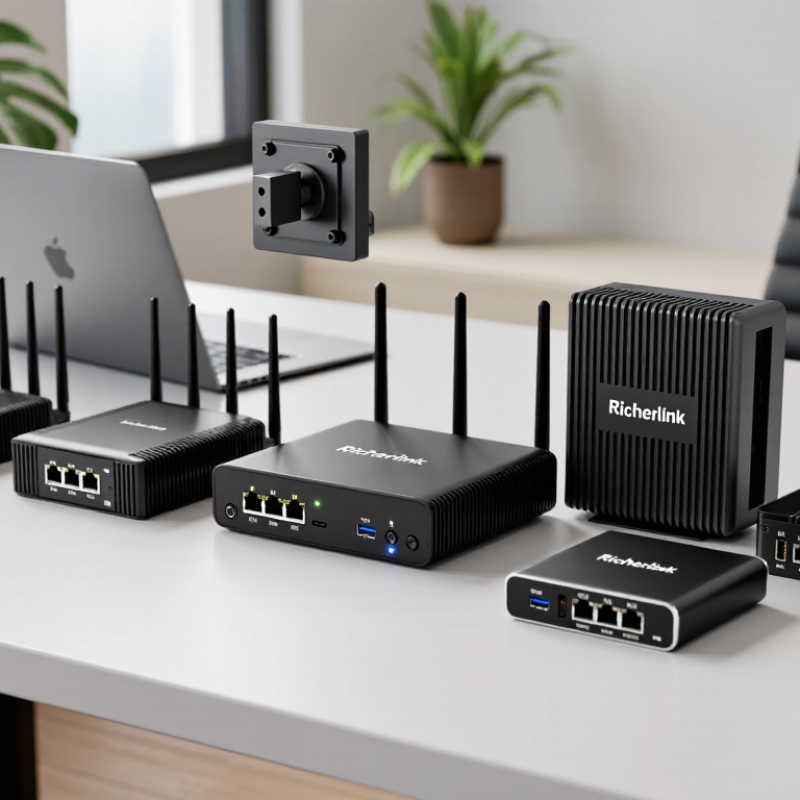
Understanding Richerlink ONTs and Their Role in Fiber Networks
An optical network terminal, or ONT, sits where a fiber connection enters a home, office, or other site. It converts light signals from the provider’s fiber network into data that connected devices can use. In a typical passive optical network, the ONT communicates with equipment at the provider’s end over a shared fiber line. The ONT’s Ethernet ports then connect to a router, computer, or local network switch. Small box. Big responsibility.
Choosing an ONT involves more than checking its port count. Buyers should confirm compatibility with the network operator, the required optical standard, and the intended service speed. A device may have several Ethernet ports, yet still be unsuitable for a particular access network. Wi-Fi is another point to check: some terminals include it, while others need a separate router. For installation, note the fiber connector type and allow a clean, gentle cable bend; tight loops can affect performance. The status lights can help identify whether the optical link is active, though their meanings vary by device. Specifications matter. Still, real deployment details can be messy, and published figures do not tell the whole story. Confirming requirements with the network provider before purchase can prevent avoidable setup problems.
Key Factors for Choosing an ONT in Global Markets
Choosing an ONT for a global market starts with network compatibility, not the product label. Confirm the required PON standard, such as GPON or XGS-PON, and check that the device works with the intended OLT. Optical class and connector type matter too; a connector that looks similar may still be unsuitable. Small detail. Costly mistake.
Check the Ethernet ports against real service needs. A household plan above one gigabit may need a faster WAN or LAN port, while a basic installation may not. Decide whether the ONT should handle routing and Wi-Fi or operate in bridge mode. For Wi-Fi models, compare supported bands, antenna placement, and coverage expectations. Thick walls can change the result. A specification sheet cannot show every room.
For deployments across regions, review power input, plug options, operating temperature, and management features. Remote configuration can simplify support, but confirm that the provider’s systems can communicate with the ONT. IPv6 and VLAN support may also be essential for a particular network. Ask for interoperability evidence and test a sample unit under the intended setup. I would not rely on a feature list alone; compatibility claims sometimes need closer checking.
Seven Richerlink ONT Models for Different Network Needs
A useful ONT range should match real installation conditions, not just headline speeds. Seven model types cover common needs: a compact bridge unit for one wired router; a Wi-Fi model for small apartments; a dual-band unit for busy homes; a multi-gigabit LAN model for fast local transfers; a voice-enabled model for households retaining fixed-line phones; a multiport unit for small offices; and an XGS-PON model for higher-capacity fiber access. The right choice depends on the provider’s optical network, router setup, and required ports. Check compatibility before comparing features.
Demand is growing, but local needs vary. The ITU’s Facts and Figures 2024 estimated 5.5 billion people were online, while 2.6 billion remained unconnected. OECD broadband statistics reported that fiber made up about 42% of fixed broadband subscriptions across member economies in 2023. These figures show why fiber-ready equipment matters, though they do not predict one home’s speed. A 2.5-gigabit port may help with a fast service plan, but only if the router and connected devices support it. Small details matter. Confirm optical standards, power supply, and management features with the network operator. A tidy specification sheet can still mislead; real performance depends on the entire connection path.
Comparing Compatibility, Connectivity, and Deployment Features
Choosing among seven ONT models starts with compatibility, not headline speed. Check whether each unit supports the required optical standard, wavelength, and provisioning method. These details affect whether it registers smoothly with the network. A mismatch can leave the power light on while the internet connection stays dark. Ask the provider or installer to confirm interoperability before ordering.
Connectivity deserves a close look. Count the Ethernet ports, check their negotiated speeds, and note whether the unit offers voice or wireless functions. A household with a multi-gigabit plan may need faster LAN ports, while a small office might value several wired connections. Check the power adapter and dimensions, too. A compact ONT is easier to place beside a fiber entry point, but cramped ventilation can be a problem. Small details matter.
Deployment features shape installation time and ongoing support. Look for clear status indicators, accessible reset controls, and management options suited to the network operator. Wall mounting can keep cables tidy; a desktop design may be easier to inspect. Compare warranty terms and documentation, not just datasheet figures. A polished specification can still omit practical limits, and I would avoid assuming every listed feature works in every network setup. Compatibility should be verified for the exact service, not inferred from a model’s appearance or port count.
How to Verify the Right Richerlink ONT Before Purchase
Before buying an optical network terminal (ONT), match its PON technology to the provider’s network: GPON and XGS-PON are not interchangeable by default. The OECD’s June 2023 broadband statistics report that fiber made up 42.5% of fixed broadband subscriptions across OECD countries. That growth makes precise compatibility checks essential. Ask for the exact model number, hardware revision, supported wavelengths, optical class, and connector type. Small mismatches matter. Confirm the ONT works with the provider’s optical line terminal and required management profile, such as OMCI settings. A “fiber-ready” label alone proves little.
Check the product label against the datasheet, then request a clear photo of the actual unit. Verify Ethernet port speeds, power input, operating temperature, and whether the package includes the correct adapter. The ITU’s Facts and Figures 2023 estimated that 5.4 billion people were online, across very different network environments; a device suitable in one market may not suit another. Ask the seller for written confirmation of regional compatibility and firmware support. If possible, test a sample on the intended access network before placing a bulk order. A neat datasheet can still mislead, and I would treat unclear revision details as a real procurement risk.





