How to Wash Pipe Drilling for Best Results?
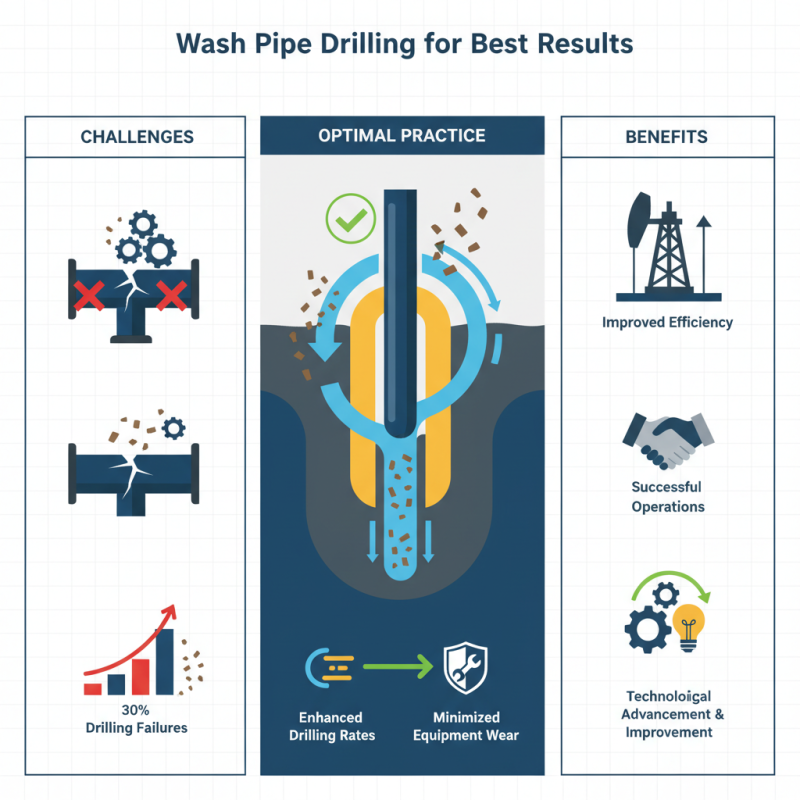
In the realm of oil and gas drilling, "Wash Pipe Drilling" plays a vital role in optimizing performance and efficiency. Studies show that improper wash pipe practices can lead to significant downtime and costly repairs. According to a report by the International Association of Drilling Contractors (IADC), nearly 30% of drilling failures are attributed to inadequate hole cleaning and fluid management. This highlights the importance of effective wash pipe techniques.
A well-executed wash pipe operation ensures that cuttings and debris are effectively removed from the wellbore. By maintaining clean pipes, operators can enhance drilling rates and minimize risks during the drilling process. However, many operators neglect this crucial step, resulting in inefficient drilling and increased wear on equipment.
Despite advancements in technology, the industry still encounters challenges in wash pipe drilling. There are ongoing discussions about the best practices and tools. Continuous improvement in wash pipe strategies is essential. By being aware of the complexities and potential pitfalls, operators can refine their processes, thus achieving better results. Effective wash pipe drilling is not just a best practice; it is a necessity for successful drilling operations.
Understanding the Importance of Proper Pipe Drilling Maintenance
Proper pipe drilling maintenance is crucial for optimal performance. It extends the life of your equipment and ensures safety during operations. Neglecting maintenance can lead to various issues such as clogs, reduced efficiency, and even accidents. Understanding the significance of maintaining your drilling pipes can save you time and money.
Regularly washing your drilling pipes is an essential part of this maintenance process. Accumulated debris can restrict flow and create pressure buildups. Consider setting a washing schedule based on your usage frequency. For instance, a weekly wash may suffice for frequent use, while monthly checks may work for less frequent operations.
Tips: Use a gentle detergent that breaks down grease without damaging the pipe material. Rinse thoroughly to remove all soap residue. Also, inspect for wear and tear during cleaning. Look for any unseen damage that could lead to problems. Lastly, don’t overlook the importance of a clean storage area. A dirty space means dirty pipes, and that’s a cycle you want to avoid.
Choosing the Right Cleaning Agents for Pipe Drilling
Cleaning pipes effectively is crucial for successful drilling operations. Choosing the right cleaning agents can significantly enhance performance. Different materials require specific treatments. For instance, organic solvents work well on grease. In contrast, acids effectively remove mineral deposits.
Many operators overlook the importance of pH balance in cleaning agents. Using acidic solutions on sensitive materials can cause damage. It's vital to test agents on small sections first. Even trusted methods can lead to unexpected results. Be cautious with concentrations; too strong can corrode equipment.
Water-based cleaners often serve as safer alternatives. They tend to be less harmful to pipes yet effective against contamination. However, they may not eliminate stubborn residues. It’s a constant learning process. As best practices evolve, staying updated is necessary. Sharing experiences among teams can improve cleaning strategies.
Step-by-Step Guide to Washing Pipe Drilling Equipment
Washing pipe drilling equipment is essential for maintaining efficiency. It’s not just about appearance; it impacts performance. When dirt and debris accumulate, equipment can function poorly. However, many overlook this crucial step and face avoidable issues later.
Start by gathering all necessary supplies. You will need a soft brush, mild detergent, and water. Take special care with hoses and nozzles; they are prone to blockages. Soak brushes in soapy water. Scrub equipment gently to avoid damage. Pay attention to hard-to-reach areas, as buildup often hides there. Rinse thoroughly with clean water to remove any detergent residue.
While cleaning, reflect on your usual methods. Sometimes, quick washes lead to incomplete cleaning. Consider whether your routine truly achieves a deep clean. Observing small details will make a difference. Regular maintenance can extend the lifespan of your equipment, but only if done properly. Take your time; quality cleaning will yield better results in the long run.
Techniques for Effective Pipe Drilling Cleaning
Proper cleaning of pipe drilling equipment is crucial for achieving optimal results. Techniques for effective cleaning can significantly impact the quality of drilled holes and prolong the lifespan of tools. According to industry reports, nearly 30% of drilling inefficiencies stem from inadequate cleaning practices. This highlights the need for regular maintenance and thorough washing protocols.
One effective method is using high-pressure water jets. They can remove debris without causing damage. Air blowing is another option, which can be efficient for less stubborn residues. These methods, when used in combination, can improve cleaning outcomes. Ensure to follow up with a thorough inspection to identify any remaining contaminants.
Tips: Always wear protective gear during cleaning. A clean workspace promotes safety and efficiency. Regularly assess your cleaning methods. If something doesn’t work as anticipated, it’s time to rethink.
Keeping a log of cleaning frequencies and techniques can also aid in refining methods. It’s essential to adapt and evolve based on feedback from drilling performance. By continuously analyzing and improving cleaning techniques, the overall drilling process becomes more reliable and effective.
Tips for Preventing Residue Build-up in Pipe Drilling
Maintaining optimal performance in pipe drilling necessitates regular cleaning and preventive measures. Residue build-up can hinder efficiency and affect results. Here are some tips to help you avoid this issue.
First, inspect the drilling pipes regularly for debris or sludge. Any signs of residue should be dealt with immediately. Use a high-pressure water jet for initial cleaning. This method helps dislodge tough materials from surfaces. Always ensure that no water remains inside the pipes after cleaning. Leaving moisture can lead to rust and further residue accumulation.
Consider adding a cleaning solution to your drilling fluid. Specific non-corrosive additives can help break down any potential build-up. Ensure that the solution is compatible with your materials. Regularly changing the drilling fluid also reduces residue risks. Avoid overusing the same fluid, as it can lead to a thicker build-up over time.
Finally, train your team on the importance of cleaning routines. A consistent practice protects both tools and the overall integrity of the work. Having a cleaning schedule promotes accountability and maintains quality. Regular maintenance combined with awareness can significantly reduce residue build-up in your drilling operations.
How to Wash Pipe Drilling for Best Results? - Tips for Preventing Residue Build-up in Pipe Drilling
| Method | Description | Time Required | Effectiveness |
| Water Rinse | Initial rinse with water to remove loose debris. | 10 minutes | High |
| Detergent Soak | Soak pipes in a mild detergent solution to break down grease. | 30 minutes | Very High |
| Scrubbing | Use brushes or scrapers to remove stubborn build-up. | 15 minutes | High |
| Final Rinse | A thorough rinse with clean water to remove any detergent. | 10 minutes | High |
| Regular Maintenance | Schedule periodic cleanings to prevent accumulation. | Ongoing | Essential |





