2026 Best Pre-Galvanized Steel Pipe Options for Global Buyers?
The demand for Pre-Galvanized Steel Pipe is steadily increasing in various industries worldwide. This rise is driven by its durability and resistance to corrosion, making it a preferred choice for many applications. According to recent industry reports, the global market for pre-galvanized steel is projected to grow at a CAGR of 4.7% over the next five years.
In addition to its physical properties, Pre-Galvanized Steel Pipe offers excellent cost-effectiveness. However, not all options are equal. Buyers must be aware of differences in quality and specifications across manufacturers. Research indicates that subpar products often lead to increased maintenance costs and safety concerns. Therefore, choosing the right supplier is crucial for long-term success.
The landscape of the pre-galvanized steel market continues to evolve. Advances in technology and manufacturing practices promise improvements in quality and sustainability. Global buyers need to stay informed to make educated decisions. Prioritizing reliable sources and understanding unique needs will enhance project outcomes.
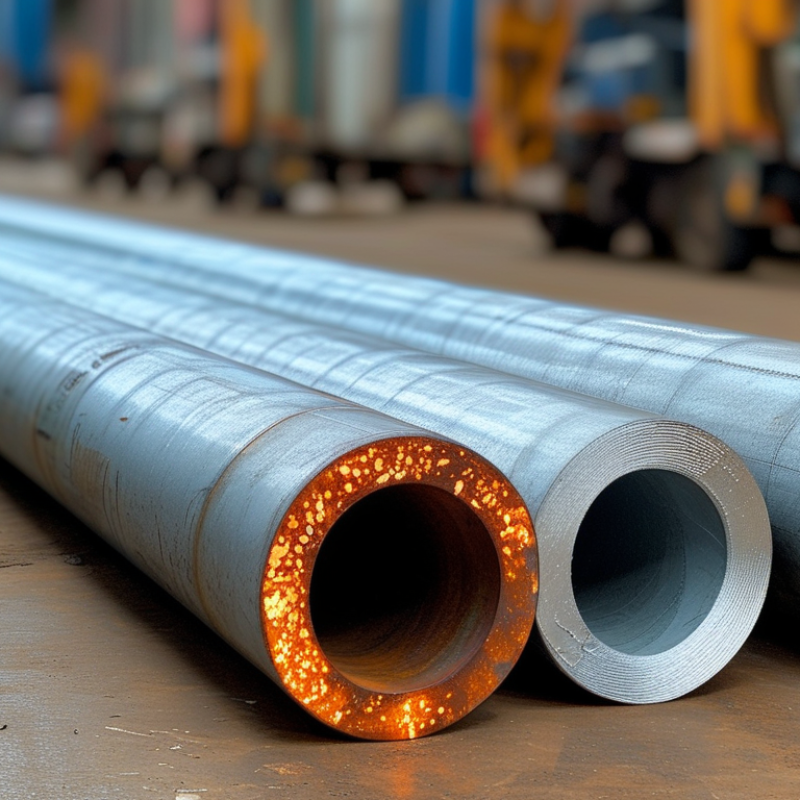
2026 Market Overview for Pre-Galvanized Steel Pipe Demand and Supply
The pre-galvanized steel pipe market is evolving rapidly. In 2026, demand is expected to rise significantly. Key industries driving this growth include construction and infrastructure. These sectors are increasingly relying on pre-galvanized pipes for their corrosion resistance and durability.
Supply chains are adapting to this rising demand. Manufacturers are exploring innovative processes to enhance production efficiency. Raw material availability remains a challenge. Fluctuations in steel prices impact the overall market stability. Buyers must be vigilant about these changes while sourcing their materials.
There are concerns regarding quality control. Not all producers meet international standards. This inconsistency can lead to project delays and additional costs. Buyers need robust strategies for vetting suppliers. Investing time in research and collaboration may yield better results. The balance of supply and demand will shape opportunities in the industry.
Key Factors Influencing Pre-Galvanized Steel Pipe Pricing Trends in 2026
Pricing trends for pre-galvanized steel pipes in 2026 will be influenced by multiple critical factors. One primary aspect is the cost of raw materials. Recent data indicates that fluctuations in zinc prices significantly impact overall pricing. For instance, zinc's price volatility has averaged around $3,000 to $4,000 per metric ton in the last year. This trend may persist as global supply chains adjust to new climate initiatives and production limits.
Demand dynamics also play a pivotal role. As infrastructure investments ramp up globally, particularly in emerging markets, demand for pre-galvanized steel pipes is projected to rise. A report by the Global Steel Association predicts a 5% increase in global consumption in 2026. Additionally, shifts in manufacturing processes could enhance efficiency but also introduce cost variables.
Moreover, regional market differences could create pricing disparities. In regions like Asia and North America, regulations surrounding environmental standards may impose additional costs. These regulations might influence both production methods and sourcing of raw materials, thus complicating the pricing landscape. Understanding these elements can help stakeholders navigate a potentially volatile market.
Top Global Manufacturers of Pre-Galvanized Steel Pipes and Their Market Share
Pre-galvanized steel pipes are essential in various industries due to their corrosion resistance and cost efficiency. These pipes undergo a galvanization process before fabrication, ensuring a protective zinc coating. This method enhances durability, making pre-galvanized steel pipes suitable for applications such as construction, automotive, and infrastructure.
Several global manufacturers lead the pre-galvanized steel pipe market. They are recognized for their high-quality products and significant market share. Their advanced manufacturing technologies allow for mass production while maintaining strict quality controls. However, not every producer meets the evolving demands of sustainability and innovation in the industry. It raises questions about ongoing practices and improvements.
Market dynamics show fluctuations in demand. End-users often seek better pricing and quality. Achieving this balance is challenging for many manufacturers. Some fail to innovate, leading to potential market decline. It is crucial for companies to reflect on their production strategies and adapt accordingly. This constant evolution will be vital for sustaining their market position and meeting buyer expectations.
Comparative Analysis of Pre-Galvanized vs. Hot-Dip Galvanized Steel Pipes
Pre-galvanized and hot-dip galvanized steel pipes serve distinct purposes in construction. Pre-galvanized pipes are coated with zinc before fabrication. This process gives them a uniform finish and good corrosion resistance. However, their protection level may not be as robust as hot-dip galvanized options. This is mainly due to the thinner layer of zinc.
Hot-dip galvanized pipes involve a different process. They are fully submerged in molten zinc. This results in a thicker coating that significantly improves durability. The finish is less uniform but offers superior protection against corrosion. For projects exposed to harsh environments, hot-dip galvanized pipes might be more reliable.
Choosing between these two types depends on specific project needs. If initial cost matters, pre-galvanized pipes can be attractive. Yet, the long-term benefits of hot-dip galvanized pipes should not be overlooked. Potential buyers must weigh the upfront expense against future maintenance costs. It’s essential to understand these differences clearly, as they impact the longevity and performance of the installation.
2026 Best Pre-Galvanized Steel Pipe Options for Global Buyers
| Pipe Type | Thickness (mm) | Diameter (mm) | Weight (kg/m) | Price (USD/m) | Corrosion Resistance | Application |
| Pre-Galvanized | 1.5 | 25 | 2.75 | 1.20 | Moderate | Construction |
| Hot-Dip Galvanized | 2.0 | 32 | 4.10 | 1.80 | High | Infrastructure |
| Pre-Galvanized | 1.0 | 40 | 6.00 | 3.00 | Low | Furniture |
| Hot-Dip Galvanized | 3.0 | 50 | 9.00 | 4.50 | Very High | Pipelines |
Applications and Industry Trends Driving Pre-Galvanized Steel Pipe Usage in 2026
Pre-galvanized steel pipes are gaining traction in various industries, driven by their versatility and durability. As the construction sector continues to expand, the demand for corrosion-resistant materials is rising. These pipes are often used in plumbing, electrical conduits, and structure supports. Their ability to withstand harsh environments makes them a preferred choice in many applications.
In 2026, the trend towards sustainability will further influence the usage of pre-galvanized steel pipes. Many companies are looking for eco-friendly materials that also reduce operational costs. The lightweight and strong characteristics of these pipes align well with this objective. Industries such as transportation and telecommunications will increasingly adopt them for infrastructure projects.
However, there are challenges. Ensuring quality control in production is crucial to maintain the integrity of the pipes. Inconsistent galvanized coatings can lead to premature corrosion. Buyers must be vigilant and consider these factors when sourcing materials. This level of scrutiny is essential to avoid future complications in their projects.
2026 Best Pre-Galvanized Steel Pipe Options for Global Buyers
This chart illustrates the projected usage of pre-galvanized steel pipes across various applications in 2026. The data reflects the increasing demand driven by key industries such as construction and automotive, highlighting industry trends that influence material selection in the global market.





