Best Practices for Managing Aluminum Inventories?
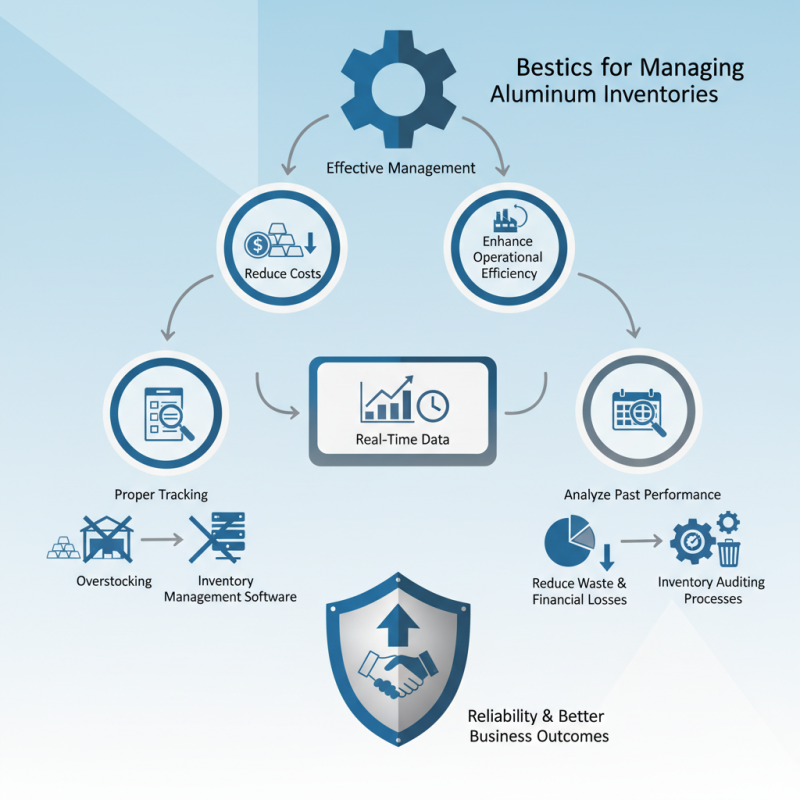
Effective management of Aluminum Inventories is crucial for businesses in industries reliant on this versatile metal. Understanding the dynamics of aluminum inventories can enhance operational efficiency and reduce costs. Companies must adopt best practices to navigate challenges like fluctuating prices and supply chain disruptions.
Proper tracking of aluminum inventories is essential. It prevents overstocking, which ties up capital. It also reduces stockouts that can halt production. Utilizing inventory management software can provide real-time data. This empowers decision-makers to act swiftly in a changing market.
Reflecting on past inventory practices reveals areas for improvement. Many organizations struggle with inaccuracies in stock counts. This can lead to excessive waste and financial losses. Adjustments in inventory auditing processes can address these issues. It’s important to analyze past performance to refine future strategies effectively. Ultimately, implementing best practices enhances the reliability of aluminum inventories, driving better business outcomes.
Understanding Aluminum Inventory Management
Effective aluminum inventory management is crucial for businesses in the metal industry. Understanding the flow and status of aluminum can significantly impact production efficiency. Start by implementing a robust tracking system. This system should provide real-time data, allowing you to see stock levels at a glance. Knowing what you have on hand avoids over-ordering and reduces waste.
Additionally, regular audits are essential. Schedule monthly checks to confirm that your records match the physical inventory. These checks help identify discrepancies early. They also allow for adjustments in ordering and production schedules. Always consider optimizing storage solutions. Proper organization can lead to easier access and reduced handling time.
Establishing relationships with suppliers is another vital aspect. Open communication can lead to better pricing and reliable delivery schedules. However, fluctuating market demand can complicate this relationship. Always be prepared to adjust your inventory strategy based on market conditions. This flexibility is vital for maintaining a competitive edge in the aluminum industry.
Best Practices for Managing Aluminum Inventories
| Inventory Item | Quantity Available | Reorder Level | Unit Price ($) | Total Value ($) |
| Aluminum Sheets | 500 | 200 | 2.50 | 1250.00 |
| Aluminum Bars | 300 | 100 | 3.00 | 900.00 |
| Aluminum Rods | 200 | 75 | 4.00 | 800.00 |
| Aluminum Foil | 400 | 150 | 1.20 | 480.00 |
| Aluminum Extrusions | 250 | 100 | 5.50 | 1375.00 |
Key Factors Influencing Aluminum Inventory Levels
Managing aluminum inventories requires a keen understanding of various factors. Demand fluctuations greatly impact inventory levels. For instance, construction and automotive industries often drive demand spikes. Accurate forecasting can be tricky. Companies must analyze historical data and market trends regularly.
Supply chain dynamics also play a crucial role. Delays in shipping or production can create stock shortages. On the other hand, excess inventory can tie up capital. Businesses need to remain agile and responsive. Regular communication with suppliers is essential for timely updates.
Lastly, storage conditions deserve attention. Aluminum must be stored properly to prevent oxidation and damage. Consideration of warehouse space and temperature control can influence inventory quality. Continuous training on best practices for inventory management helps teams optimize their processes. Balancing these factors requires expertise and ongoing evaluation.
Best Practices for Managing Aluminum Inventories
This chart displays the monthly aluminum inventory levels over a six-month period. Effective inventory management is essential to meet production demands and minimize costs, and tracking these levels can help identify trends and optimize stock levels.
Techniques for Accurate Aluminum Inventory Tracking
Accurate aluminum inventory tracking is crucial for businesses in the aluminum sector. Industry reports indicate that improper inventory management can lead to significant losses. A study by the Materials Handling Institute found that companies lose up to 30% of their inventory due to inaccuracies. Therefore, implementing effective tracking methods is essential.
One technique involves using barcoding systems. By labeling aluminum products with barcodes, businesses can track items in real-time. This method reduces human error and streamlines the inventory process. According to a survey by the National Association of Inventory Professionals, companies using barcoding see accuracy improvements of up to 25%. However, transitioning to a new system can be challenging. Companies must provide training to staff, and initial costs may be high.
Another valuable strategy is conducting regular audits. Frequent inventory checks help identify discrepancies early. A report from the Institute of Supply Chain Management emphasizes that 60% of companies link regular audits to increased operational efficiency. Despite this, many businesses still overlook the need for routine checks. The challenge lies in balancing time and resources while ensuring accurate inventory records.
Implementing Just-In-Time Inventory Practices for Aluminum
Implementing Just-In-Time (JIT) inventory practices can significantly enhance the management of aluminum inventories. JIT focuses on reducing inventory levels by aligning deliveries closely with production schedules. This strategy minimizes excess stock and storage costs. A company can reduce waste and improve cash flow through timely ordering and efficient supply chain management.
Effective communication with suppliers is crucial. Building strong relationships can help ensure timely deliveries of aluminum materials. However, there's a risk; delays can disrupt production. So, having backup plans in place is essential. Monitor suppliers' performance regularly to identify potential issues early.
Reducing inventory levels can streamline operations. However, it requires careful planning. Companies should analyze their consumption patterns. Understanding demand variability is vital for success. Spotting trends can help adjust orders efficiently. It's not always perfect; there may be unexpected surges in demand. Flexibility and quick responses to changing market conditions are keys to effective JIT inventory management.
Strategies for Reducing Aluminum Inventory Holding Costs
Managing aluminum inventories requires strategic approaches to minimize holding costs. One effective method is to implement a just-in-time (JIT) inventory system. This strategy reduces excess stock and lowers storage expenses. By synchronizing orders with production schedules, companies can avoid the costs associated with overstocking. However, this requires careful planning and may not always align with supply chain disruptions.
Another important tactic is to monitor market trends and adjust purchasing accordingly. Keeping track of price fluctuations can inform better buying decisions. Companies should also analyze historical consumption data to forecast future needs accurately. Investing in inventory management software can streamline this process. Yet, relying solely on technology without human oversight can lead to inaccuracies.
Training staff in inventory management practices is crucial. Employees must understand the importance of efficient inventory control. Regular training sessions can improve understanding and execution of best practices. It’s important to acknowledge that despite these strategies, discrepancies may still occur. Addressing these imperfections helps refine inventory processes. Understanding the balance between cost-saving measures and operational efficiency is key to successful aluminum inventory management.





