Digital Box Substation Best Practices for Global Buyers?
In the evolving landscape of energy distribution, the adoption of Box Substations has emerged as a pivotal development for global buyers. According to a recent market report, investments in digital substations are expected to reach $30 billion by 2025, indicating robust growth in this sector. Box Substations integrate advanced digital technologies, enhancing reliability and efficiency in power systems. Their compact nature offers flexibility in urban environments, allowing quicker deployment compared to traditional setups.
However, the transition to digital Box Substations brings challenges. Many organizations face difficulties in integrating legacy systems with new technologies. Moreover, ensuring cybersecurity in these digital infrastructures is critical, as data breaches can lead to significant operational disruptions. Industry experts emphasize the importance of ongoing training for personnel to address these emerging risks effectively.
Global buyers must navigate technical specifications and safety standards when considering Box Substations. Understanding regional regulations and grid requirements is crucial in making informed purchasing decisions. As the market continues to evolve, staying updated on best practices will ensure successful investments in this transformative technology.
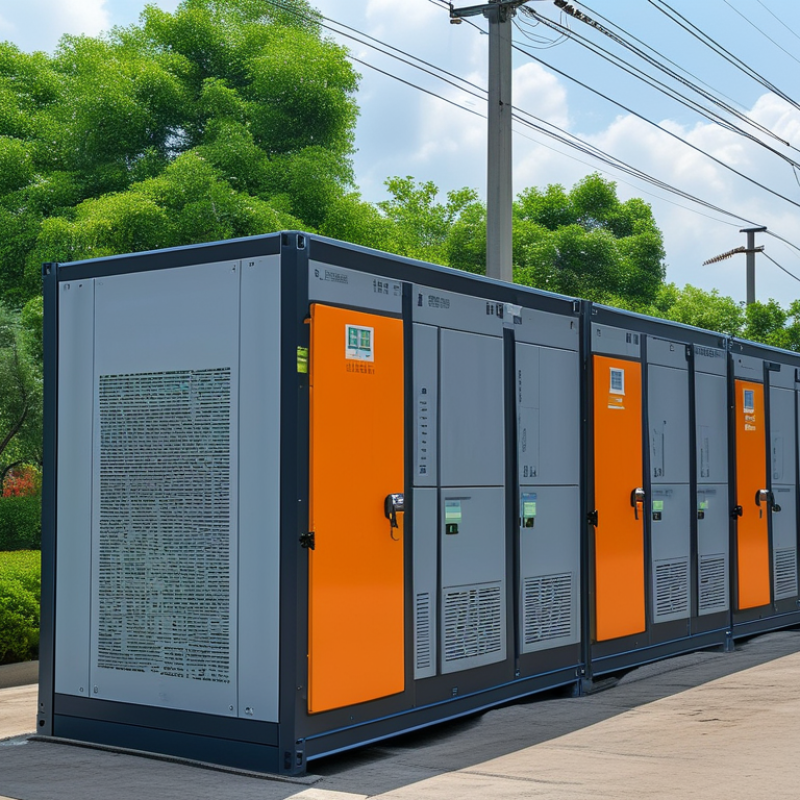
Overview of Digital Box Substations and Their Importance
Digital box substations are transforming the way electricity is distributed and managed. These systems integrate advanced technologies to optimize performance and enhance operational efficiency. They play a crucial role in modern energy infrastructure, especially with the rise of renewable energy sources. According to a recent industry report, digital substations can reduce operational costs by as much as 30% while improving reliability.
The importance of digital box substations extends beyond just cost savings. They provide real-time monitoring and control over energy flows. This capability allows for faster response times to potential failures, minimizing downtime. Data from the International Electrotechnical Commission indicates that incorporating digital technologies can improve the fault detection rate by over 50%. This not only ensures a more stable energy supply but also increases overall grid resilience.
However, challenges persist in the adoption of these technologies. Some utilities face obstacles with cybersecurity threats. The need for robust security measures is critical, as the interconnected nature of digital systems can expose vulnerabilities. Moreover, workforce training is essential for effective management of these advanced systems. Without skilled personnel, the potential of digital substations cannot be fully realized.
Key Components of a Digital Box Substation
Digital box substations are transforming the landscape of electrical distribution. These innovative setups integrate advanced technologies that enhance control and efficiency. Key components contribute to their effectiveness, ensuring safer and more reliable energy management.
A digital box substation typically includes intelligent electronic devices (IEDs), which monitor and control grid operations. These devices collect data in real-time. This information helps operators make informed decisions. Communication infrastructure, like fiber optics, connects these devices with central management systems. This connection minimizes latency and increases responsiveness. Additional components such as transformers and switchgear play critical roles in voltage adaptation and circuit protection.
One area needing reflection is cybersecurity. As substations become more interconnected, they face rising cyber threats. Ensuring data integrity and security can be challenging. Some setups may overlook regular updates or fail to implement robust security practices. Continual assessment of technology and security measures is essential for resilience against potential risks.
Digital Box Substation Best Practices for Global Buyers
| Component | Description | Benefits | Key Considerations |
| Smart Energy Management System | A system that optimizes the operation of power distribution. | Reduces energy losses and improves reliability. | Integration with existing infrastructure. |
| IoT Sensors | Devices that gather and transmit data on various parameters. | Provides real-time monitoring of equipment health. | Data security and privacy concerns. |
| Automated Control Systems | Systems that automatically control and optimize power flows. | Increases efficiency and reduces human error. | Need for regular software updates. |
| Digital Monitoring Solutions | Tools that allow continuous oversight of system performance. | Facilitates proactive maintenance strategies. | Compatibility with legacy systems. |
| Cybersecurity Measures | Protocols put in place to protect digital assets. | Safeguards against data breaches and attacks. | Constantly evolving threats require adaptive strategies. |
Best Practices for Selecting Digital Box Substation Equipment
When selecting digital box substation equipment, buyers should consider several critical factors. The reliability of technology plays a huge role. According to industry reports, up to 70% of outages can be traced back to equipment failures. This data highlights the significance of choosing durable and well-tested components. Opting for advanced monitoring systems can greatly enhance reliability. These systems can detect issues in real-time, allowing for quicker responses to potential failures.
Cost-efficiency is another crucial aspect. A recent analysis shows that organizations can save up to 30% on operational costs by investing in smart grid technology. However, these investments come with upfront costs that can be daunting. Buyers must weigh immediate expenses against long-term savings when deciding on equipment. Sustainability also matters. Digital substations equipped with energy-efficient technologies are increasingly favored. This trend not only helps reduce environmental impact but also meets growing regulatory demands.
Buyers must not overlook the importance of supplier credibility. A significant portion of projects fails due to inadequate support from equipment providers. Research suggests that around 25% of misplaced equipment decisions stem from a lack of comprehensive supplier assessment. Therefore, a thorough due diligence process is essential. It’s necessary to reflect on past decisions and learn from them to ensure informed choices in the future.
Digital Box Substation Equipment Selection Criteria
This chart illustrates key selection criteria for buyers of digital box substations, highlighting their importance ratings. A high reliability score indicates its critical role in operational excellence, while cost, scalability, ease of integration, and energy efficiency also play significant roles in decision-making.
Considerations for Implementation and Integration of Digital Substations
The integration of digital substations is a critical step toward modernizing power distribution systems. As per a recent report by the Global Energy Association, digital transformation in substations could reduce operational costs by up to 30%. This transformation involves the adoption of advanced communication technologies and automation. Buyers must consider the compatibility of existing infrastructure with new digital solutions.
Robust data management is vital. Utilities are collecting vast amounts of data from digital substations. This data can optimize grid performance. However, experts warn that without a proper analysis framework, valuable insights may go untapped. Simplistic data collection often leads to overwhelming data volumes without actionable outcomes.
Implementation also requires addressing cybersecurity risks. A report from the International Energy Agency highlighted that cyber threats are rising. Digital substations, while efficient, can face vulnerabilities if not adequately protected. Training personnel to understand these risks is essential. Moreover, feedback mechanisms should actively include lessons learned from previous implementations to guide future strategies.
Future Trends and Innovations in Digital Box Substation Technology
The future of digital box substations is shaping up to be dynamic and innovative. As the energy sector evolves, these substations are becoming more integrated with advanced technologies. Smart grid integration, for instance, allows for real-time monitoring and automation. This trend leads to improved efficiency and enhanced reliability in energy distribution.
Digital substations are also embracing artificial intelligence. AI can predict maintenance needs and optimize operations. This can save costs and minimize unplanned outages. However, reliance on AI raises concerns about cybersecurity. Ensuring robust security measures must be a priority for future development.
Tips: Consider investing in training for staff on new technologies. This ensures they are prepared and adaptable. Regularly review the infrastructure for vulnerabilities. An up-to-date digital architecture can prevent disruptions. Monitor industry trends closely. This will help organizations stay ahead of potential future challenges in the energy landscape.





