What are the Best OEM Water Valve Options for Global Buyers
In the competitive global market, selecting the right OEM Water valve is crucial for various industries. OEM water valves serve essential functions in residential, commercial, and industrial applications. Buyers face many options, each promising high performance and durability. However, not all products live up to expectations.
When evaluating different OEM water valve options, it is essential to consider factors like material, design, and compatibility. These details can significantly influence the valve's efficiency and longevity. For instance, brass valves may offer excellent corrosion resistance, while plastic options can be cost-effective. Understanding these distinctions helps buyers make informed decisions.
Yet, the process isn't without challenges. With a myriad of suppliers, identifying trustworthy manufacturers is vital. Quality assurance and customer support are often overlooked but can drastically affect user experience. Reflecting on these elements ensures buyers choose OEM water valves that meet their specific needs.
Best OEM Water Valve Types and Their Applications
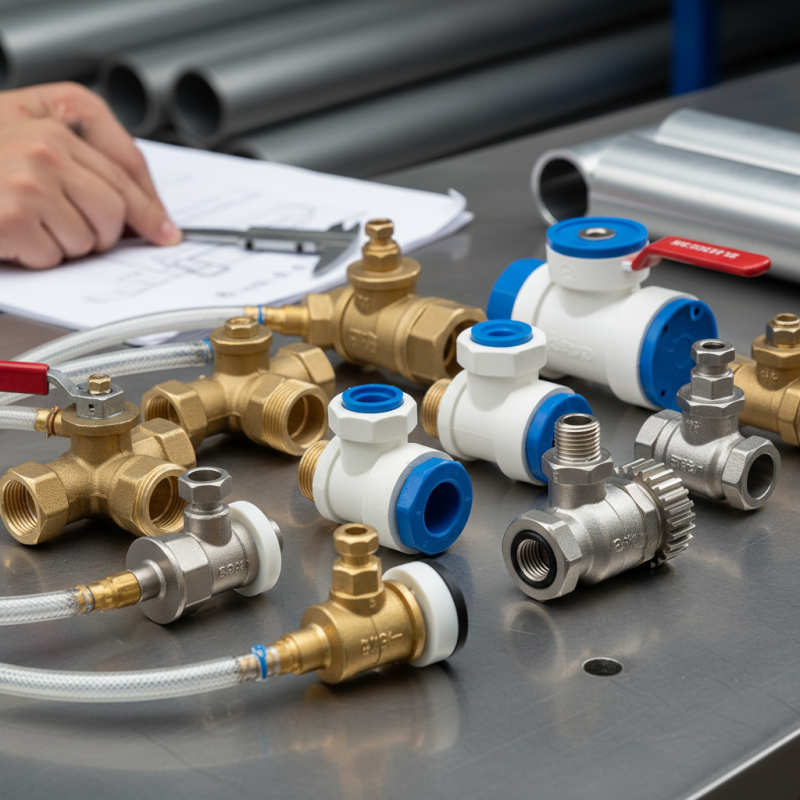
When selecting OEM water valves, various types cater to different applications. Ball valves are widely used for their durability and ability to provide a tight seal. They function well in both residential and industrial settings. Gate valves offer reliable flow control, making them suitable for systems requiring isolation. However, they may not be ideal for throttling applications. Butterfly valves are lightweight and take up less space. Their design makes them a favorite for large-scale waterworks.
Another popular type is the check valve. These are crucial for preventing backflow. They're commonly used in pumps and pipelines. Each type has its strengths, yet no one size fits all. Buyers should consider flow rates and pressure ratings carefully. Often, specifications may not align with the application. This can lead to inefficiencies.
In choosing the best option, it's vital to have a clear understanding of the intended application. Buyers sometimes overlook compatibility issues with existing systems. Even small differences in size or material can lead to big problems. A thorough evaluation will reveal the most suitable OEM water valve type. Buyers must also seek reliable suppliers to ensure product quality and consistency in performance.
Best OEM Water Valve Options for Global Buyers
Key Features to Consider When Selecting OEM Water Valves
When selecting OEM water valves, several key features must be considered. First, the material composition is crucial. Brass, stainless steel, and PVC are common options. Each material offers different levels of corrosion resistance and durability. According to industry reports, brass valves are preferred in 65% of applications due to their robustness and long service life.
Another important aspect is the valve type. Gate, globe, and ball valves serve different functions. A recent market analysis indicates that ball valves dominate the market, accounting for approximately 35% of global demand. This popularity is due to their reliability and ease of operation. However, some OEM buyers might overlook their specific application needs, which can lead to inefficiencies.
Additionally, compatibility with existing systems is vital. Many buyers assume that standard designs will fit all applications. This assumption often proves to be incorrect. Research shows that 25% of OEM water valve failures stem from poor compatibility. Understanding your system's specifications can prevent costly mistakes. Making informed selections equipped with detailed data fosters reliability and optimizes performance in various environments.
Top Global Suppliers of OEM Water Valves: A Comparative Overview
When exploring OEM water valve options, buyers must consider a few key suppliers. The market is diverse, with manufacturers offering various products and services. A solid understanding of each supplier's capabilities is essential. Not all suppliers excel in every aspect. Some specialize in plastic valves, while others focus on metal products. Identifying strengths and weaknesses in their offerings can lead to better purchasing decisions.
Research plays a vital role in selecting the right supplier. Many manufacturers provide detailed product catalogs online. These catalogs often highlight the technical specifications and applications for each valve type. Buyers should also look for references and customer reviews. This feedback is crucial in assessing supplier reliability. While some companies boast of extensive experience, others might lack proven track records.
Communication with suppliers is equally important. Engaging with them can reveal insights into their production processes. Asking questions about quality control measures can help gauge their commitment to reliability. Challenges may arise if a supplier does not provide adequate information or support. Therefore, clear and open dialogue is essential for forming effective partnerships in the OEM water valve market.
Advantages of OEM Water Valves for Industrial Use
OEM water valves are vital components in various industrial applications. Their durability and reliability make them a popular choice among manufacturers. These valves are designed for specific operational needs, ensuring optimal performance under different conditions.
One major advantage of OEM water valves is their customizability. They can be tailored to fit unique system requirements, which enhances efficiency. Moreover, OEM products often come with better quality control. This leads to fewer failures and reduced downtime for maintenance.
In terms of cost-effectiveness, these valves provide significant value. They help reduce operational costs over time. However, buyers should be cautious when selecting suppliers. It's crucial to evaluate their reputation and track record. Not all providers deliver the same level of quality. Ensuring reliability in supply and performance should be a top priority for industrial buyers. This approach helps avoid costly mistakes in the long run.
What are the Best OEM Water Valve Options for Global Buyers - Advantages of OEM Water Valves for Industrial Use
| Valve Type | Material | Pressure Rating | Temperature Range | Applications | Advantages |
| Ball Valve | Brass | 150 PSI | -20°C to 80°C | Water, Oil, Gas | Quick operation, low pressure drop |
| Gate Valve | Stainless Steel | 300 PSI | -29°C to 150°C | Water Distribution, Wastewater Treatment | Full flow area, minimal turbulence |
| Check Valve | PVC | 100 PSI | 0°C to 60°C | Pump Protection, Reverse Flow Prevention | Lightweight, corrosion resistance |
| Globe Valve | Cast Iron | 250 PSI | -10°C to 120°C | Flow Regulation, Cooling Systems | Good throttling capability, durable |
Trends in Water Valve Technology: Innovations and Future Directions
Innovations in water valve technology are reshaping the landscape for global buyers. Recent data suggests that the market for smart water valves is growing at a compound annual growth rate (CAGR) of 12.5%. This increase is driven by rising demand for automation and remote monitoring in the industry. Key features of modern water valves include advanced sensors and IoT connectivity, allowing real-time data collection and analysis.
The integration of artificial intelligence (AI) in water management systems is another notable trend. According to a report from industry experts, AI-enhanced valves can reduce water loss by up to 30%. These innovations not only promote efficient water usage but also create opportunities for predictive maintenance. However, this rapidly evolving technology raises questions about the skills needed for installation and maintenance, indicating a potential skills gap in the sector.
While innovations are promising, they come with challenges. Integration of new technologies into existing systems can be complex, leading to delays and increased costs. Moreover, ensuring cybersecurity for connected devices is critical, as breaches could compromise water safety. As the industry moves forward, addressing these hurdles will be essential for leveraging the full potential of water valve advancements.





