Best Mixing Tanks for Efficient Production in 2026?
In the ever-evolving landscape of manufacturing, the importance of efficient production cannot be overstated. As we look ahead to 2026, Mixing Tanks will play a crucial role in achieving optimal results. These tanks are not just containers; they are critical components in the mixing process that can significantly enhance productivity.
Selecting the right mixing tank requires expertise and careful consideration. Factors such as material compatibility, tank design, and mixing technology are vital. Inefficient choices can lead to wasted resources and time. Therefore, exploring the best mixing tanks on the market is essential.
Innovation continues to shape the design and functionality of mixing tanks. From advanced agitation methods to improved energy efficiency, new technologies offer exciting possibilities. However, it is important to critically assess these advancements. Are they truly beneficial, or do they complicate processes unnecessarily? Finding the balance between efficiency and practicality is key in the quest for the ideal mixing tank.
Key Features of Mixing Tanks for Enhanced Production Efficiency
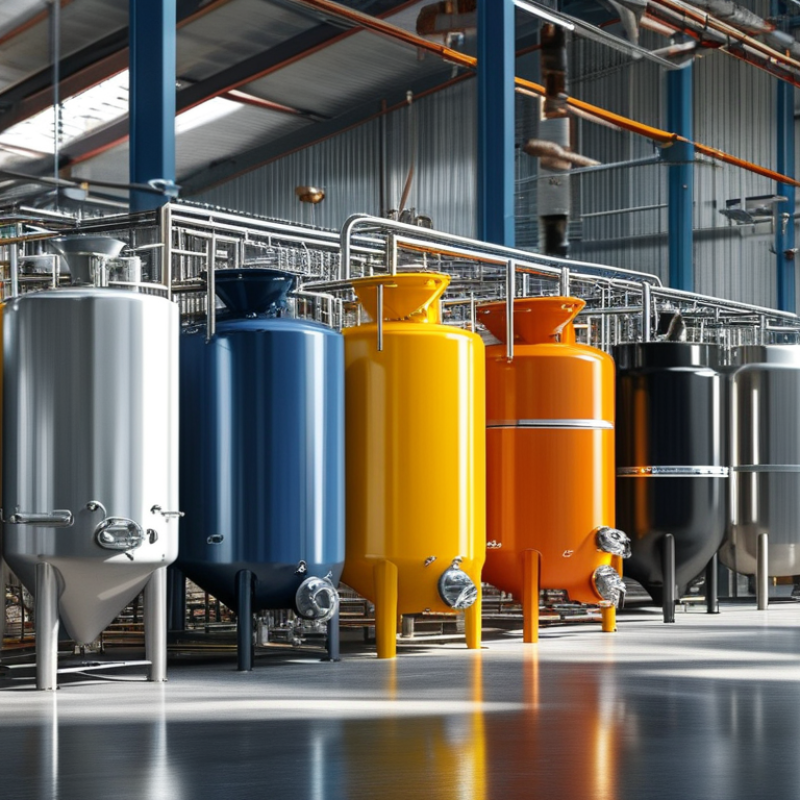
In the quest for enhanced production efficiency, selecting the right mixing tank becomes crucial. According to a recent industry report, around 70% of manufacturers recognize the importance of tank design for optimal results. Key features include material composition, tank geometry, and mixer placement. Stainless steel remains the preferred material due to its durability and corrosion resistance. Additionally, optimal tank shapes, such as cylindrical designs, promote better flow patterns, which lead to more uniform mixing.
The mixer type significantly affects production efficiency. High-shear mixers are particularly effective for achieving consistent emulsions and dispersions. A study revealed that the right mixer can improve processing time by up to 30%. However, it's essential to consider limitations like energy consumption and heat generation during operation. Many facilities overlook these aspects, leading to inefficiencies.
Moreover, automation in mixing tanks is gaining traction. Automated controls can reduce human error, ensuring precise ingredient proportions. Data suggest that companies that adopt automation experience a 25% increase in productivity. Nevertheless, transitioning to automated systems often presents challenges, including the need for staff retraining and significant upfront costs. Careful consideration of these factors can guide investments toward more efficient production methods in the coming years.
Best Mixing Tanks for Efficient Production in 2026
| Tank Type | Capacity (Liters) | Material | Agitation Type | Heating/Cooling System | Power Supply (KW) | Efficiency Rating |
| Vertical Mixing Tank | 1000 | Stainless Steel | Mechanical Agitator | Yes | 5 | A+ |
| Horizontal Mixing Tank | 1500 | Polypropylene | Magnetic Stirrer | No | 3 | A |
| Stirred Tank Reactor | 2000 | Glass Lined Steel | Pitched Blade Turbine | Yes | 8 | A++ |
| Batch Mixing Tank | 500 | Fiberglass | Helical Agitator | No | 2 | B |
Types of Mixing Tanks and Their Applications in Various Industries
Mixing tanks are vital in numerous industries. They blend various materials for consistent production. Different types serve specific needs, such as chemicals, food processing, or pharmaceuticals. Understanding these applications is crucial for efficiency.
For instance, stainless steel tanks are popular in the food industry. They maintain hygiene and resist corrosion. In contrast, plastic tanks are often chosen for less demanding tasks. They are lightweight and easy to clean. However, they may not withstand extreme temperatures or chemicals well.
Another consideration is the tank's mixing technology. Some use agitators, while others employ mixers. Each method affects the final product's quality. Businesses must reflect on their specific requirements. The wrong choice can lead to inefficiencies. Understanding these dynamics can enhance production and improve outcomes.
Innovative Technologies in Mixing Tank Design for 2026
In 2026, innovative technologies are reshaping mixing tank design, enhancing efficiency and adaptability. The demand for high-performance mixing solutions is estimated to grow by 5% annually. This growth is driven by increasing industrial needs and a push for sustainable production methods.
Advanced materials like high-density polyethylene (HDPE) and stainless steel are now standard. These materials improve durability and reduce maintenance costs. Moreover, smart sensors are being integrated into mixing tanks, allowing for real-time monitoring of viscosity and temperature. Research shows that these innovations can decrease energy consumption by up to 15%.
However, the integration of new technologies is not without challenges. Many facilities grapple with training staff to use these advanced systems effectively. Reports indicate that many companies underestimate the learning curve associated with high-tech equipment. As a result, proper implementation often lags behind technological advancements. Prioritizing staff training and support is crucial for maximizing the benefits of these innovations.
Maintenance Practices for Optimal Performance of Mixing Tanks
Mixing tanks are essential for many production processes. Proper maintenance is crucial for their optimal performance. Regular inspection can prevent unexpected breakdowns. Operators should check seals and gaskets frequently. Loose fittings can lead to leaks, affecting efficiency.
Tips: Keep a maintenance log. Document all inspections and repairs methodically. This log can identify recurring issues. It is helpful for troubleshooting and planning future maintenance.
Another key practice is cleaning. Residue from previous batches can impact the next mix. Schedule thorough cleaning after each use. Pay attention to hard-to-reach areas. Contaminants can cause batch quality problems.
Tips: Use appropriate cleaning agents. Ensure they are compatible with your tank materials. Consider cleaning cycles based on production schedules to enhance efficiency.
Future Trends in Mixing Tank Development and Production Techniques
In 2026, the demand for efficient mixing tanks is expected to rise sharply. Increasing automation in production processes will drive this trend. According to a recent industry report, the global mixing equipment market is poised to reach $5.4 billion by 2026, with a CAGR of 4.2%. This growth highlights the importance of advanced mixing technologies.
Future mixing tanks will integrate IoT capabilities for real-time monitoring. This allows operators to adjust parameters instantly, enhancing production efficiency. Energy-efficient designs are a key focus, with innovations aimed at reducing power consumption by up to 25%. However, challenges remain in achieving this efficiency while maintaining high-quality mixing.
Tip: When evaluating tanks, consider the scalability of the technology. It’s essential to select systems that adapt to growth and changing production needs. Moreover, keep an eye on materials used in tank construction. Many industries are moving toward sustainable options, which can improve both efficiency and environmental impact. Always prioritize suppliers with proven track records in reliability and innovation.
Best Mixing Tanks for Efficient Production in 2026





