What is the Best Mechanical Seal for Industrial Applications?
In the industrial world, the efficiency of machinery heavily relies on reliable components. Among these components, the Mechanical Seal plays a crucial role. It prevents leaks, protects equipment, and maintains operational integrity. Selecting the best Mechanical Seal is not as straightforward as it seems. It requires a deep understanding of specific applications and conditions.
Mechanical Seals come in various designs and materials. Each has its advantages and potential drawbacks. For instance, some materials withstand high temperatures but may not be suitable for corrosive environments. Understanding these nuances is essential when making a choice. Improper selection can lead to costly downtime or even equipment failure.
Industry professionals must weigh factors like pressure, temperature, and type of fluid when selecting a Mechanical Seal. What works perfectly in one scenario may fall short in another. This decision-making process often involves trial and reflection. Hence, seeking expert advice is wise. Relying on experience and established standards can greatly enhance the reliability of your choice.
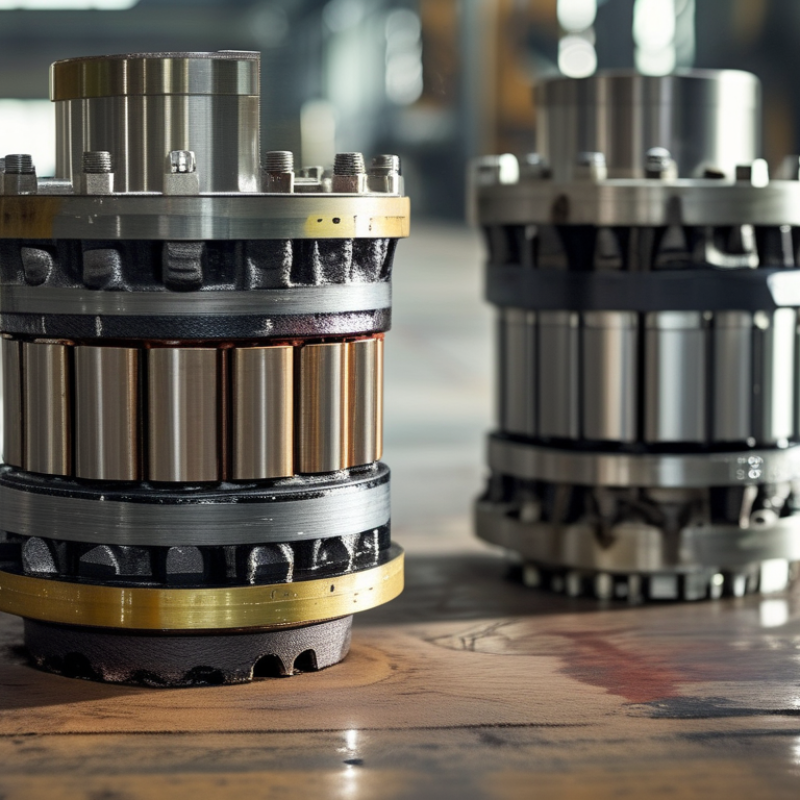
Types of Mechanical Seals Used in Industrial Applications
Mechanical seals are crucial for many industrial applications. They prevent fluid leakage in pumps, mixers, and compressors. Choosing the right type of mechanical seal ensures efficiency and reduces maintenance costs.
There are several types of mechanical seals used in industries. The most common are single seals, double seals, and cartridge seals. Single seals are simple and cost-effective. They work well for non-corrosive fluids. Double seals provide an extra layer of protection. They are ideal for hazardous or toxic liquids. Cartridge seals come pre-assembled, making installation easier. They save time in the field.
Each seal type has its pros and cons. For example, single seals are easier to install but may require more frequent replacements. Double seals cost more upfront but offer added safety in volatile environments. Understanding these options is key for effective industrial operation. Choosing the wrong seal could lead to leaks and downtime. Careful consideration of your specific needs is essential.
Factors to Consider When Choosing a Mechanical Seal
When selecting a mechanical seal for industrial applications, it's crucial to consider various factors. The environment plays a vital role. High temperatures and aggressive chemicals can impact the seal's durability. You need a seal that can withstand these conditions. Pay attention to the type of fluid as well. Viscosity and presence of solids can dictate the choice.
Material compatibility is another essential factor. Some materials may corrode or degrade over time. Choosing the wrong material can lead to frequent failures. Seals made of robust materials usually offer better longevity. In addition, installation ease should not be overlooked. A complicated installation process can lead to errors and reduced effectiveness.
Performance characteristics like pressure tolerance and shaft misalignment must also guide your choice. Seals that can handle greater pressure typically offer better results. Thinking about the maintenance and replacement timeframe is vital too. Some seals require frequent checks or replacements, adding to operational costs. Balance performance with manageability for optimal results.
Mechanical Seals Performance in Industrial Applications
This bar chart illustrates the performance ratings of mechanical seals in various industrial applications based on key factors: Temperature Resistance, Pressure Resistance, Chemical Compatibility, Installation Ease, and Maintenance Frequency. These metrics are crucial in determining the best mechanical seal for specific operational requirements.
Advantages of Different Mechanical Seal Materials
When it comes to mechanical seals for industrial applications, material choice is crucial. The selection can significantly influence performance and reliability. Common materials include carbon, ceramic, and elastomers. Each has unique advantages and potential drawbacks.
Carbon seals, for example, offer excellent wear resistance and thermal stability. However, they are more susceptible to impact damage. In contrast, ceramic seals excel in harsh environments, handling high temperatures and corrosive fluids well. Yet, they can be brittle and may fracture under sudden pressure changes.
A report by the American Society of Mechanical Engineers (ASME) highlights that over 75% of mechanical seal failures in industries are due to material selection issues. Proper assessment of operating conditions and fluid types is essential to avoid costly failures.
Tips: Always consider the fluid’s temperature and chemical compatibility when choosing materials. Testing under actual operating conditions can reveal potential weaknesses that standard evaluations miss. Keep in mind that while some materials excel, none are perfect. Regular maintenance and inspections can mitigate risks associated with wear and environmental effects.
Common Applications of Mechanical Seals in Industry
Mechanical seals are vital components in various industrial applications. They help prevent leaks and contain fluids within machinery, playing a crucial role in operational efficiency. In the chemical processing industry, for instance, mechanical seals face harsh conditions, including corrosive substances and high pressures. A report from the International Journal of Mechanical Engineering indicates that over 50% of pump failures are due to seal issues. This highlights the importance of selecting reliable mechanical seals for these environments.
In the oil and gas sector, mechanical seals are critical in refineries and drilling operations. A study by the American Petroleum Institute reveals that sealing failures can lead to significant environmental hazards and costly downtime. The use of advanced materials, such as silicon carbide and tungsten carbide, has shown improved performance, enhancing reliability and longevity. However, even with these advancements, improper installation remains a common issue, contributing to seal failure rates.
The food and beverage industry also relies on effective mechanical seals for hygiene and safety. These seals must comply with strict regulatory standards, ensuring no contamination occurs. The World Health Organization emphasizes that improper sealing can lead to product spoilage. Companies are still working to achieve a balance between efficiency and safety. Advances in seal technology offer solutions, but the industry's adaptation to new materials and practices is ongoing and requires frequent evaluation.
Best Practices for Installing and Maintaining Mechanical Seals
When it comes to installing mechanical seals, proper techniques are crucial for optimal performance. According to the Fluid Sealing Association, improper installation can lead to premature failure rates of up to 50%. Understanding the specific application and seal type is essential. For instance, the environment's temperature, pressure, and media type can significantly affect seal longevity.
Tip: Always inspect the sealing surfaces for scratches or imperfections. Even minor flaws can compromise the seal. Gaskets should be aligned precisely to avoid misfit situations.
Regular maintenance also plays a pivotal role. A study from the Hydraulic Institute indicates that routine checks can enhance a mechanical seal’s lifespan by nearly 30%. Regularly monitoring seal performance helps in identifying issues early. Look for signs like leaks or abnormal vibrations, as these may signal wear.
Tip: Implement a schedule for inspection and maintenance. Use a checklist to ensure all components are evaluated—this small step can prevent costly shutdowns later on. Understanding and applying best practices leads to reliable operations in industrial settings.
What is the Best Mechanical Seal for Industrial Applications? - Best Practices for Installing and Maintaining Mechanical Seals
| Seal Type | Best Applications | Material | Temperature Range (°C) | Pressure Rating (bar) | Maintenance Tips |
| Single Spring Seal | Pumps, mixers | Carbon, Graphite | -20 to 150 | 10 | Regular inspection, replace when worn |
| Double Mechanical Seal | Chemical processing | Ceramic, Viton | -30 to 200 | 14 | Check for leaks, replace seals regularly |
| Cartridge Seal | General industrial use | Stainless Steel, PTFE | -40 to 120 | 10 | Ensure proper alignment and lubrication |
| Split Seal | Large equipment maintenance | Nitrile, EPDM | -10 to 140 | 8 | Routine checks, avoid excessive wear |





