What Are the Best Materials for Prefab Homes in 2026?
As we look ahead to 2026, the landscape of prefab homes is evolving rapidly. The choice of materials for these homes is crucial and influences durability, aesthetics, and sustainability. With a growing emphasis on eco-friendliness, new materials are emerging. Prefab Homes Materials now include innovative options like recycled steel and bamboo. These materials enhance energy efficiency and reduce the environmental impact.
However, not all materials are perfect. Many prefab homes still face challenges in insulation and longevity. Consumers must consider how these choices affect their long-term investment. Additionally, the aesthetics of materials can vary, influencing a homeowner's satisfaction. Prioritizing both function and style is essential for future developments in prefab construction.
The discussion around prefab homes materials is vital. As technology advances, so too do our options. Staying informed helps potential homeowners make educated choices. Balancing costs and quality remains a challenge in this evolving industry. Thus, it is important to approach these decisions with careful consideration.
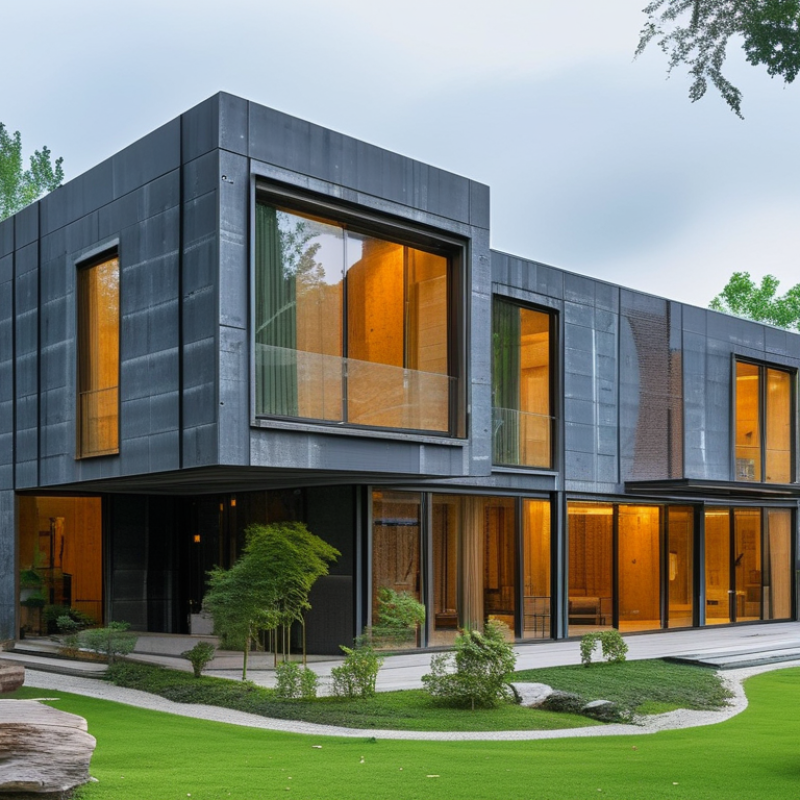
Overview of Prefab Homes and Their Growing Popularity
Prefab homes are gaining traction. According to a recent report by the National Association of Home Builders, the market for prefab homes is expected to grow by 20% by 2026. This rise is tied to factors like affordability, speed of construction, and sustainability. Consumers are seeking efficient housing solutions in a changing economy.
The construction process is quicker for prefab homes. They are built in controlled environments, reducing waste and material damage. This method enhances energy efficiency; prefab homes can use sustainable materials like recycled steel and eco-friendly insulation. For example, homes made with modular components can reduce construction time by 30% compared to traditional methods.
While prefab homes offer many benefits, they are not without challenges. Customization options can be limited, leading to concerns over aesthetics for some buyers. Additionally, zoning regulations may restrict where these homes can be placed. A lack of understanding of prefab technology in some areas can also hinder the acceptance of this housing method. Continued awareness and education are necessary to overcome these hurdles and fully embrace the potential of prefab housing.
Materials Used in Prefab Homes in 2026
Key Materials for Prefab Homes: A Comparative Analysis
In the realm of prefab homes, material selection plays a crucial role. By 2026, the trend is shifting towards sustainably sourced materials. Studies indicate that about 65% of new prefab builds will prioritize eco-friendly options. For instance, cross-laminated timber (CLT) is gaining traction for its strength and low carbon footprint. This material can reduce greenhouse gas emissions by up to 50% compared to traditional framing.
Additionally, lightweight steel is becoming a preferred choice for many builders. It offers durability and resistance to pests, while maintaining structural integrity. According to the National Association of Home Builders, approximately 30% of prefab homes now incorporate some form of structural steel. However, it's essential to address challenges like thermal conductivity and insulation, which can affect energy efficiency in colder climates.
Recycled composites are emerging as another innovative option. These materials can minimize waste and provide energy savings. Although still in the developmental phase, they may soon account for about 15% of the market share. The industry must remain vigilant about potential issues, such as long-term durability and environmental impact. The evolving landscape of materials in prefab homes presents both opportunities and challenges that require careful consideration.
Sustainability in Prefab Home Construction: Eco-friendly Options
Sustainability is at the forefront of prefab home construction as we move into 2026. Eco-friendly materials are not just a trend; they’re essential for reducing our carbon footprint. Bamboo is gaining popularity. This fast-growing plant is sturdy and renewable. Builders appreciate its versatility and strength. Another material worth considering is recycled steel. It minimizes waste and is incredibly durable. However, its production still poses environmental concerns.
Structural Insulated Panels (SIPs) are another option with great potential. They provide excellent insulation and reduce energy needs. But, do we consider the energy used in their manufacturing? Rammed earth is emerging as a unique alternative. It's locally sourced and offers thermal mass benefits. Yet, it's not suitable for all climates. It’s vital to evaluate the local environment.
Using reclaimed wood can add character and history to a home. However, sourcing it responsibly is crucial. What about the adhesives used in construction? Many contain harmful chemicals. Seeking low-VOC (volatile organic compounds) alternatives becomes essential. The challenge remains balancing aesthetics with sustainability. Each material choice carries implications for both the planet and your indoor air quality.
Cost-effectiveness vs. Quality: Choosing the Right Materials
Choosing materials for prefab homes involves balancing cost-effectiveness and quality. Many homeowners focus on budget but overlook durability. For instance, engineered wood may be cheaper to install. However, it often requires more maintenance over time. This compromises not just the home’s longevity but also overall value.
Insulation is another vital factor. While traditional fiberglass insulation is often less costly, advanced materials like spray foam offer better energy efficiency. This can lead to significant savings on energy bills. But spray foam has a higher initial cost, making it a tough choice for budget-conscious builders.
Lastly, consider sustainability. Recycled materials can be cost-effective in the long run. They may not have the same immediate appeal as premium options, but their environmental benefits can enhance property value. However, sourcing these materials can be challenging, leading to potential project delays. Balancing these factors can be complex and requires thoughtful consideration of both immediate and future needs.
What Are the Best Materials for Prefab Homes in 2026? - Cost-effectiveness vs. Quality: Choosing the Right Materials
| Material | Cost per Square Foot | Durability (Years) | Energy Efficiency Rating | Sustainability Rating |
| Wood | $50 | 30 | B | High |
| Steel | $70 | 50 | A | Medium |
| Concrete | $65 | 75 | B | Low |
| Modular panels | $60 | 40 | A | High |
| Bamboo | $55 | 25 | A | Very High |
Future Trends in Materials for Prefab Homes in 2026 and Beyond
In 2026, sustainable materials will dominate the prefab home market. Reports from the Global Prefab Housing Market reveal that eco-friendly options like bamboo and recycled steel are gaining traction. Bamboo, known for its rapid growth and durability, offers an amazing strength-to-weight ratio. Meanwhile, recycled steel provides a robust structure while minimizing waste and energy use.
Transitioning to bio-based materials is essential. Products like hempcrete and mycelium can be used for insulation and walls. They are biodegradable and have a low environmental impact. According to the Journal of Cleaner Production, using these materials can reduce carbon emissions by up to 70%. This shift encourages builders to focus on reducing their ecological footprint.
Considerations for sourcing materials should include local availability and transportation impacts. Events like natural disasters can disrupt supply chains. Builders should always have a backup plan to avoid project delays. Simplifying material choices can streamline construction processes. Aim for a balance between innovation and practicality in prefab design.





