


Choosing a maize mill is not just a matter of buying the largest machine. A Maize Flour Mill Machine must match the grain, desired flour texture, daily production volume, and available power supply. This guide introduces seven machine options for global buyers, from compact mills for small operations to larger systems designed for continuous processing. Small details matter.
The comparison focuses on practical features: cleaning and feeding arrangements, milling method, sieve options, motor power, expected output, and ease of maintenance. A buyer should also consider whether spare parts and technical support are accessible nearby. These details can affect downtime as much as the machine’s rated capacity. Ask suppliers for clear specifications, installation requirements, and sample flour produced from similar maize. No machine is perfect. A stated capacity may not reflect real output when grain moisture, operator skill, or settings change. This guide cannot replace a mill trial, and not every model will suit every business. Still, a careful comparison can help narrow the choices and reveal useful questions before purchase. The best option is the one that fits the buyer’s actual workflow, budget, and service needs—not simply the one with the longest feature list.
Maize flour milling turns cleaned kernels into flour with a chosen texture, extraction rate, and cooking performance. Equipment choice depends on whether the mill produces whole-grain flour or removes bran and germ. FAOSTAT’s Crops and Livestock Products database records about 1.16 billion tonnes of maize production worldwide in 2022. That scale matters, but local grain quality matters more to an individual mill.
A practical line may include a cleaner, destoner, moisture conditioner, degerminator, mill, and sifter. Cleaners remove stalk fragments and dust; destoners separate dense stones before they damage downstream parts. A hammer mill can suit coarser meal, while roller milling offers more control over particle size. Sieves then separate fine flour from larger particles for another pass. The FAO’s 2017 report, The Future of Food and Agriculture: Trends and Challenges, highlights the importance of reducing food loss across supply chains. Poor cleaning and badly adjusted milling can undermine that goal. Small details matter. A machine’s advertised capacity also deserves scrutiny: grain moisture, screen size, and operator skill can change actual output.
Tips: Ask suppliers for a test run using your own maize. Check flour fineness, extraction rate, power use, and cleaning time—not just tonnes per hour. Keep spare screens and bearings available. One limitation is easy to miss: the best setup on paper may not fit a mill’s water supply, power stability, or maintenance skills.

Maize flour mills serve very different buyers, from village cooperatives to industrial plants. FAOSTAT reports global maize production of about 1.16 billion tonnes in 2022. USDA’s 2024/25 World Agricultural Supply and Demand Estimates put output near 1.2 billion tonnes. These figures show the crop’s scale, not local demand. Small batches matter.
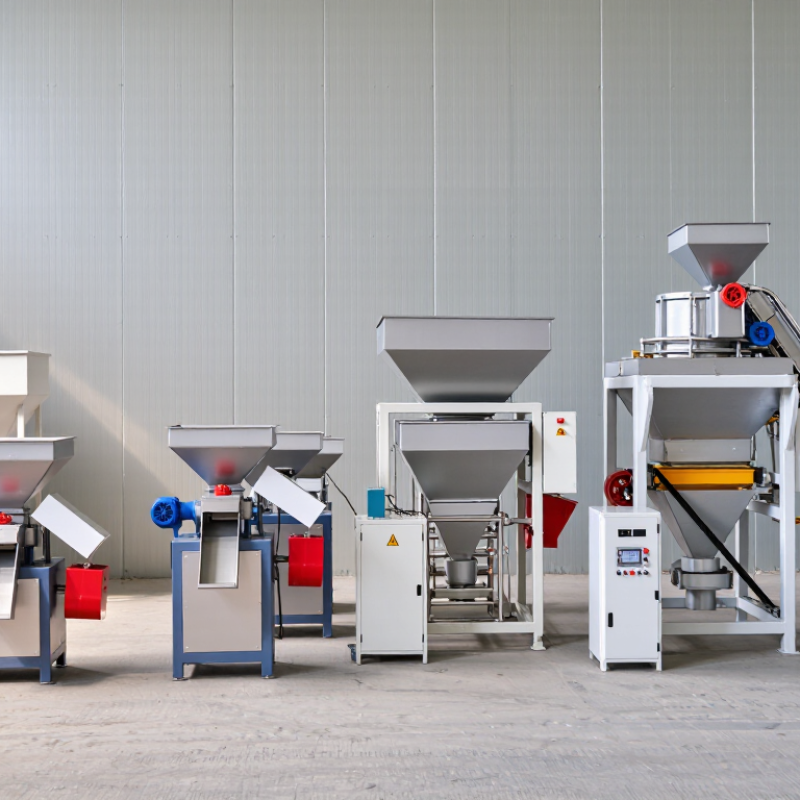
Seven machine choices shape a practical line. A pre-cleaner removes stalks and dust; a destoner separates grit. A dampener prepares kernels for milling, while a degerminator removes the germ and bran. Hammer mills suit flexible, smaller operations. Roller mills offer more controlled particle size for larger output. A plansifter separates flour grades after grinding. Each choice affects labor, maintenance, and flour texture.
Match capacity to actual daily orders, not an optimistic sales forecast. A compact mill can be easier to repair where spare parts are scarce, though it may limit growth. Industrial buyers should check motor load, screen access, dust control, and expected extraction rate with a qualified mill engineer. Ask suppliers for test-milling results using maize similar to your own. Numbers on a brochure can look convincing; real kernels may behave differently.
Representative maize input-throughput ranges for initial capacity planning, from small-scale milling to industrial production.
Ranges are indicative planning estimates, not guaranteed machine ratings. Actual throughput depends on maize condition, target flour fineness, cleaning requirements, and mill configuration.
A maize cleaner removes husks, dust, and broken kernels with screens and airflow. A destoner separates small stones by weight and movement across a vibrating deck. These preparation machines do not make flour, but they help protect milling parts and improve consistency. A dehuller or degerminator removes the outer bran and germ. It produces cleaner, lighter meal, though some fiber and flavor are lost.
A hammer mill uses fast-moving hammers to break kernels against a screen. It makes coarse meal or whole-maize flour, depending on screen size. A roller mill crushes grain between grooved rollers, producing more uniform, fine flour with controlled bran separation. A plate mill grinds kernels between adjustable roughened plates. Its flour may be less even, but the machine can suit smaller operations. A pin mill uses high-speed pins to create fine flour, often for smooth batters. A plansifter separates flour by particle size through stacked mesh screens. Not every setup needs all seven; maize moisture and the desired texture affect the choice.
Tips: Ask for a sample run using your own maize. Check flour fineness, temperature, and bran content, not only hourly capacity. A finer setting can reduce output, and that trade-off is easy to underestimate.
| Machine type | How it works | Typical flour or meal produced | Typical applications | Key considerations |
|---|---|---|---|---|
| Hammer mill | Fast-moving hammers break kernels by impact. A screen controls the approximate particle size as ground material exits the milling chamber. | Whole-maize meal or flour, usually with the bran and germ included; fineness depends on the screen and operating conditions. | Animal feed, traditional whole-grain foods, and general-purpose milling where a range of particle sizes is acceptable. | Simple and versatile, but heat, dust, screen wear, and particle-size variation need to be managed. Sifting may be needed for a more uniform product. |
| Plate or disc mill | Maize passes between two grooved plates or discs. One or both plates rotate, reducing the kernels through a combination of shearing and grinding. | Whole-maize meal or flour, ranging from coarse to relatively fine depending on plate spacing and adjustment. | Small-scale and community milling, including products where the whole kernel is milled. | Compact and adjustable. Plate wear and heating can affect performance; the product commonly benefits from screening when consistent fineness is required. |
| Roller mill | Paired rolls crack and grind maize in stages. In a refined maize-milling line, cleaning, degermination, roller milling, and sifting work together to separate and size the milled fractions. | With suitable upstream separation and downstream sifting, it can produce refined maize flour, grits, and other graded fractions. Whole-kernel roller milling produces a different, less-refined product. | Commercial mills seeking controlled particle size and separate flour, grits, and by-product streams. | A roller mill is typically part of a process line rather than a complete flour plant. Output quality depends on cleaning, conditioning, separation, roll settings, and sifting. |
| Stone mill | Maize is ground between two millstones, commonly with one stone rotating against the other. The gap and stone surface influence the grind. | Whole-grain maize meal or flour, often with a comparatively coarse or variable texture unless it is screened afterward. | Specialty and traditional whole-grain products, small mills, and markets that value stone-ground processing. | Stone material, alignment, feed rate, and temperature affect performance. It does not inherently remove bran or germ. |
| Pin mill | Maize particles pass through a chamber containing rows of pins on rotating and stationary discs. Repeated impact and particle-to-particle collisions reduce their size. | Fine maize flour or meal from material that has already been broken or pre-milled; final fineness depends on the design and operating setup. | Secondary grinding and applications requiring a finer, more uniform powder than a coarse first-stage grind. | Feed size, moisture, heat generation, and wear are important. A pin mill does not by itself degerminate maize or separate bran. |
| Attrition mill | Material is ground by friction and shear between closely spaced surfaces, such as discs or plates. Some designs also use impact during size reduction. | Fine or intermediate whole-maize meal, depending on the mill design, feed condition, and gap setting. | Grinding applications where adjustable reduction and a fine product are required, often as one stage in a larger process. | The term covers several mill designs. Buyers should confirm the machine’s suitability for maize, target particle size, throughput, and temperature control. |
| Impact or turbo mill | A rapidly rotating rotor accelerates maize or pre-broken particles against fixed surfaces or other particles, reducing size by impact. Some designs include an internal classifier or screen. | Fine maize flour or meal, with particle-size range and consistency determined by the design, feed preparation, and any classification stage. | Fine grinding and secondary size reduction in food or ingredient processing. | “Impact” and “turbo” can describe different equipment designs. Verify food-contact materials, dust control, heat management, and performance using the intended maize feed. |
Note: Flour texture and composition vary with maize variety, moisture, cleaning, degermination, screen or roll settings, and sifting. Whole-kernel mills generally retain bran and germ unless separation is added as a separate process.
When comparing maize flour mill machines, start with rated capacity and the conditions behind it. A figure in kilograms per hour may assume dry, clean maize and a particular screen size. Ask suppliers to clarify the test conditions and expected output for your grain. Capacity matters. A machine that runs continuously may suit a large mill, while a smaller unit may be easier to maintain in a local workshop.
Check the milling system, motor power, screen options, and adjustment range. Hammer mills can handle different grain conditions, while roller systems may offer more control over particle size. Ask for a sample flour test: look at fineness, consistency, and the amount of bran left in the product. Dust control matters. Seals, guards, and accessible cleaning points are practical details, not decoration. Also confirm voltage, phase, and frequency match the site’s power supply.
Compare energy use per tonne, spare-part availability, and routine maintenance needs alongside purchase cost. A neat brochure number can still mislead. Real output changes with maize moisture, feed rate, and operator settings. Request a written specification and, where possible, a test using your own grain. I would not choose on capacity alone; it is easy to overvalue a large number and overlook downtime or service access.
A suitable maize flour mill starts with the grain and the market, not the largest capacity figure. Local maize can vary in moisture, hardness, and cleanliness. These differences affect throughput, heat, and flour texture. Ask suppliers to test the grain you expect to process. Check whether buyers want a coarse meal, fine flour, or several grades. Small details matter. A mill rated for one ton per hour may produce less with damp grain or a fine screen.
Match capacity to realistic daily demand and available operating hours. An oversized machine can waste power and sit idle; an undersized one may create queues during harvest. Compare motor requirements with the power supply at your site. In remote locations, access to replacement screens, bearings, and trained technicians may matter more than a higher rated output. Dust control, easy cleaning, and safe access for maintenance also affect daily operation. No specification sheet captures every local condition. Grain quality changes, and plans sometimes miss that.
Tips: Request a grain trial and record output, flour temperature, and particle size. Ask for the test conditions in writing. Leave room for seasonal demand, but avoid buying capacity you cannot reliably power or maintain.


For those larger-sized parts, or smaller quantity runs, we have 2 independent powder coat booths and ovens. The quality, durability and affordability of today’s powder coating finishes make this the process of choice for world-class companies.
Powder coating advantages over other forms of coating are many. Materials used in the Powder coating process can be metals and non-metals that come in a multitude of thicknesses, textures, colors, etc. Another of Powder coating’s biggest advantages over conventional coatings is its ability to create finishes in many different textures. Powder Coating Booths allow us the ability to apply these advantages to large products.
Tri-State Fabricators runs a full-service conveyor line for painting. Wet painting can provide protection or decoration to many different part styles. From start to finish, every project is easier to undergo random and point-based inspection by our skilled painting team.
Advantages to our Wet Paint Line are these lines start with product prep and ends with a thorough inspection of a high quality finished product. Our ability to complete large and small projects with a superior finish and doing so in a timely and economical fashion. This passes along the savings in production to our customers. When powder coating ins not an option, our Wet Paint Line gets the job done right the first time.
When the parts get big and heavy we roll-out our custom paint racks and oversize booth. By utilizing our partnerships with all the major paint brands, we can match virtually any color with wet paint.
The advantages of having access to a Wet Paint Booth are many. Large projects of many different shapes can be loaded into the booth. The Wet Paint Booth offers an environment that is much more controlled than a typical parts painting operation.
Not only are they used because of their controlled environment, but they’re are also advantageous when it comes to applying paint to parts that are needed in industries that require specialty coatings such as medical, aerospace, etc.
Our military forces have some very high standards when it comes to the finish of their vehicles and equipment. From the first pre-treatment step to final coat, it takes a great deal of knowledge and experience to protect the men and women of our armed forces. They deserve only the best, and Tri-State Fabricators provides it.
All of our processes are closely monitored by our staff and management teams. Both of which are highly trained in the processes of metal fabrication and finishing. Tri-State Fabricators’ goal is to always fully satisfy each and every customer, including the military. We will always put a 110% into what we do.
Abrasive media blasting is an excellent way to remove old paint, rust, and increase the paint/powder adhesion. Glass beads produce a much smoother and brighter finish than angular abrasives; leaving the part clean yet without any dimensional change. Chemically inert and environmentally friendly, we can recycle our beads approximately 30 times; making them a more preferred method of metal cleaning or surface finishing.
Advantages to Glass Bead Blasting are many. Glass bead blast media is used when a project is needing rough surfaces need to become smooth for applications of coatings such as paint. It is typically used to clean paint and rust from a product surface without deforming the surface it is being used on. Overall, compared to many other blasting media, Glass Bead Blasting is a very economical choice and those savings are always passed on to our customers.
Tri-State Fabricators utilize a zinc phosphate wash to clean and etch the material to ensure the best paint adhesion possible. The unique design of our 3-stage wash system does the work like a 5-stage. From Cleaning and rinsing to conversion coating and post-treatment, Our Part Washing process is a complete service and works throughout the fabrication service and the finishing service.
Along with the previously mentioned benefits, Curing is a vital chemical reaction that leaves the product finish hard and relatively safe from mild abrasion and aggressive corrosion. This process can be done in more than one way; ambient air-dry or in curing ovens at temps that exceed 240°.
From fixing paint mistakes (someone else’s of course) to simply cleaning our paint line hooks, our burn-off oven is put to good use. After a quick burn-off, a little clean up, and a fresh coat of paint, your parts will look better than new.
Why does our Burn-Off Oven work so well? Because super heating the air around parts turns the materials into ashes. From paint and powder coatings to rubber and machining oils, high temps do the job without degrading the integrity of the part.
Masking is a vital part of producing high quality products. We have die-cut masking patterns to protect machined surfaces as well as a wide range of plugs and caps to protect threaded holes and bolts. We provide permanent and temporary masking.
Masking allows the selected sections of a product to be protected from a fabrication or finishing service. This can be with both chemicals when etching and tapes, paints when only finishing just a section of the product. Masking is great in aiding the customization process of a project.
Screen printing is a photographic process that transfers artwork onto a porous nylon screen which allows colored ink to flow through the screen and be deposited on an aluminum or plastic component. We can generally have just about any design created onto a screen for your parts.
Some of the advantages of Screen Printing are, brand recognition for your business displaying on your products, assembly instructions, product warnings/hazards, etc. Tri-State Fabricators produces Screen Printing of the highest quality so you know it’s durable.
Metal Finishing is the art of treating the exterior portion of product, often metal but can also be made of other materials, so that the surface is clean and free of any debris. Then the process of applying coats or either paint of powder coat takes place. This coating process improves the quality of the product in both appearance and resistance to wear and corrosion.
Tri-State Fabricators, Inc., understands that a project typically isn’t complete until a high-quality finish has been added to your product. This is why our painting and powder coating teams continuously inspect the products throughout the Metal Finishing process.

