What Are the Best Machine Screws for Your Projects?
Choosing the right Machine Screws is crucial for the success of your projects. These fasteners may seem simple, but their role is significant. They hold components together, ensuring stability and safety. With a wide variety of machine screws available, selecting the best ones can feel overwhelming.
The type of material, thread size, and head style all play a role in this decision. For instance, stainless steel screws offer corrosion resistance, while brass screws provide a unique aesthetic. Sometimes, the perfect screw might not be immediately apparent. Understanding the specific needs of your project is essential. It’s easy to overlook details, leading to potential issues later.
Machine screws are more than just tools; they are integral to craftsmanship. Each choice reflects your meticulousness and commitment to quality. Mistakes can happen, and re-evaluating decisions is a part of the learning process. In the end, the right machine screws will not only meet your project's requirements but also enhance its overall performance.
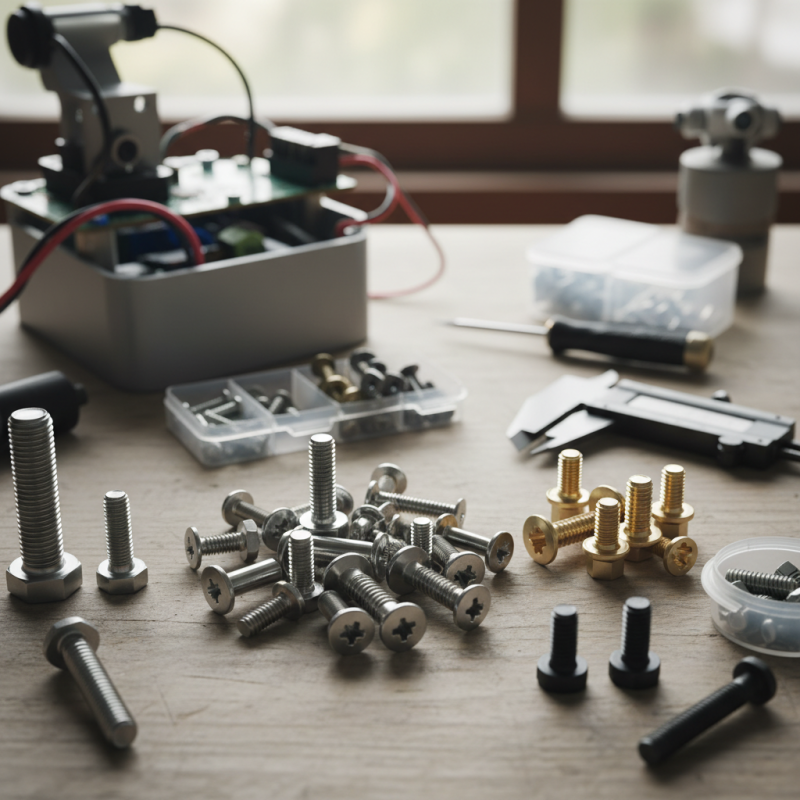
Understanding Machine Screws: Types and Specifications
Machine screws are essential components in various projects. Understanding their types and specifications can significantly impact the success of your work. These screws come in various sizes and materials, each suited for different applications. For instance, steel and stainless steel screws provide strength and durability, often used in construction. Reports indicate that over 60% of assembly tasks depend on the correct screw choice.
When selecting machine screws, pay attention to their head types and drive styles. Common types include socket, pan, and flat heads. The drive type, such as Phillips or hex, influences installation speed and torque. Studies show that improper head shapes can lead to increased stripping rates. Thus, choosing the right combination is crucial for efficiency.
Another key specification is the thread type. Coarse threads grip better in soft materials, while fine threads offer superior holding power in hard materials. Manufacturers recommend matching the screw to the task's specific requirements. Reflecting on past projects can help identify mistakes, such as using the wrong thread or head. Each choice directly affects assembly quality and longevity.
Materials Used in Machine Screws: Pros and Cons
When selecting machine screws, the material plays a crucial role in their performance and suitability for specific projects. Common materials include stainless steel, brass, and nylon. Each has distinct advantages and disadvantages.
Stainless steel screws are known for their strength and resistance to corrosion. They are ideal for outdoor applications and harsh environments. However, they can be more expensive and are less malleable than softer materials.
Brass screws offer excellent electrical conductivity and resist rust. They are often used in electronic projects. Yet, they lack the tensile strength of steel, making them less suitable for heavy-duty applications.
Nylon screws are lightweight and non-corrosive. They work well in environments where moisture is an issue. However, Nylon's lower tensile strength may not support heavy loads.
Tip: Always consider the environment your screws will be in. If it's humid or fluctuates in temperature, corrosion-resistant options might serve better.
Tip: Test different materials for your specific needs. You might find that what works in theory doesn't perform well in practice.
Ultimately, choosing the right machine screw material requires weighing the pros and cons carefully. Each project may demand different characteristics, making it essential to think critically about your selection.
What Are the Best Machine Screws for Your Projects? - Materials Used in Machine Screws: Pros and Cons
Selecting the Right Size: Measuring Machine Screws Correctly
When selecting machine screws for your projects, size matters. Accurate measurements can ensure a secure fit. Start by measuring screw length. Use a caliper or ruler. Measure from the underside of the head to the tip. This might seem simple, but many forget to account for the total length needed for the application.
Next, consider the diameter. This is crucial for threading. Use a gauge to check the diameter. The right size prevents stripping or loosening over time. Sometimes, people choose a size that seems right without testing. This can lead to significant issues later. Always cross-check your measurements before purchasing.
Finally, thread pitch should not be overlooked. It affects how screws engage with materials. A finer thread may grip better in soft materials, while coarser threads may suit harder materials. Taking the time to measure accurately can save headaches down the line. Don't rush the process, as mistakes can lead to project delays and unnecessary costs.
Application Guide: Choosing Screws for Different Projects
Choosing the right screws for your projects can be challenging. Different applications require varying screw types based on material and load. Wood screws, for instance, have coarse threads that provide better grip in softer materials. They are ideal for furniture and cabinetry work. Metal screws, on the other hand, feature finer threads. Use them for projects involving metal or dense materials.
Think about the environment too. Stainless steel screws resist corrosion, making them suitable for outdoor use. However, consider your project's stress points. Overuse of screws can weaken structures over time. It’s wise to test screw depth and torque to prevent damage. Notably, many factors impact the choice of screws, such as climate and exposure conditions.
You may find yourself torn between different options. Selecting the appropriate screw is crucial for durability. If unsure, consult with professionals or experienced builders. Their insights can guide you through your options. Proper screw selection directly influences the longevity and stability of your projects. Take your time to explore various choices before committing to any particular type.
Best Practices for Installing Machine Screws Effectively
When installing machine screws, attention to detail is crucial. Ensure you choose the right type of screw for your material. Using the wrong screw can lead to stripping and other issues. Pre-drilling holes helps in avoiding wood or metal splintering. It creates a clean entry point for the screw.
Use a torque wrench to control the tension as you tighten the screws. Over-tightening can cause material stress or even breakage. A consistent approach will yield better results. Always check if the screw fits snugly without excess force. Small adjustments during installation make a significant difference.
Lastly, don’t overlook the importance of cleanliness. Remove dust and debris from the area before installation. This simple step can prevent complications later. Consider leaving a few screws loose initially for alignment checks. It’s a minor adjustment but can save time in the long run. Reflect on your process and identify areas for improvement.
What Are the Best Machine Screws for Your Projects?
| Screw Type | Material | Diameter (mm) | Length (mm) | Drive Type | Best Application |
| Machine Screw | Stainless Steel | 4 | 20 | Phillips | Electronics Assembly |
| Hex Head Screw | Steel | 5 | 30 | Hex | Construction Projects |
| Self-Tapping Screw | Zinc-Plated Steel | 6 | 25 | Slotted | Metal Sheet Fabrication |
| Lag Screw | Carbon Steel | 8 | 50 | Square | Woodworking and Decking |
| Shoulder Screw | Brass | 3 | 15 | Socket | Precision Machinery Assembly |





